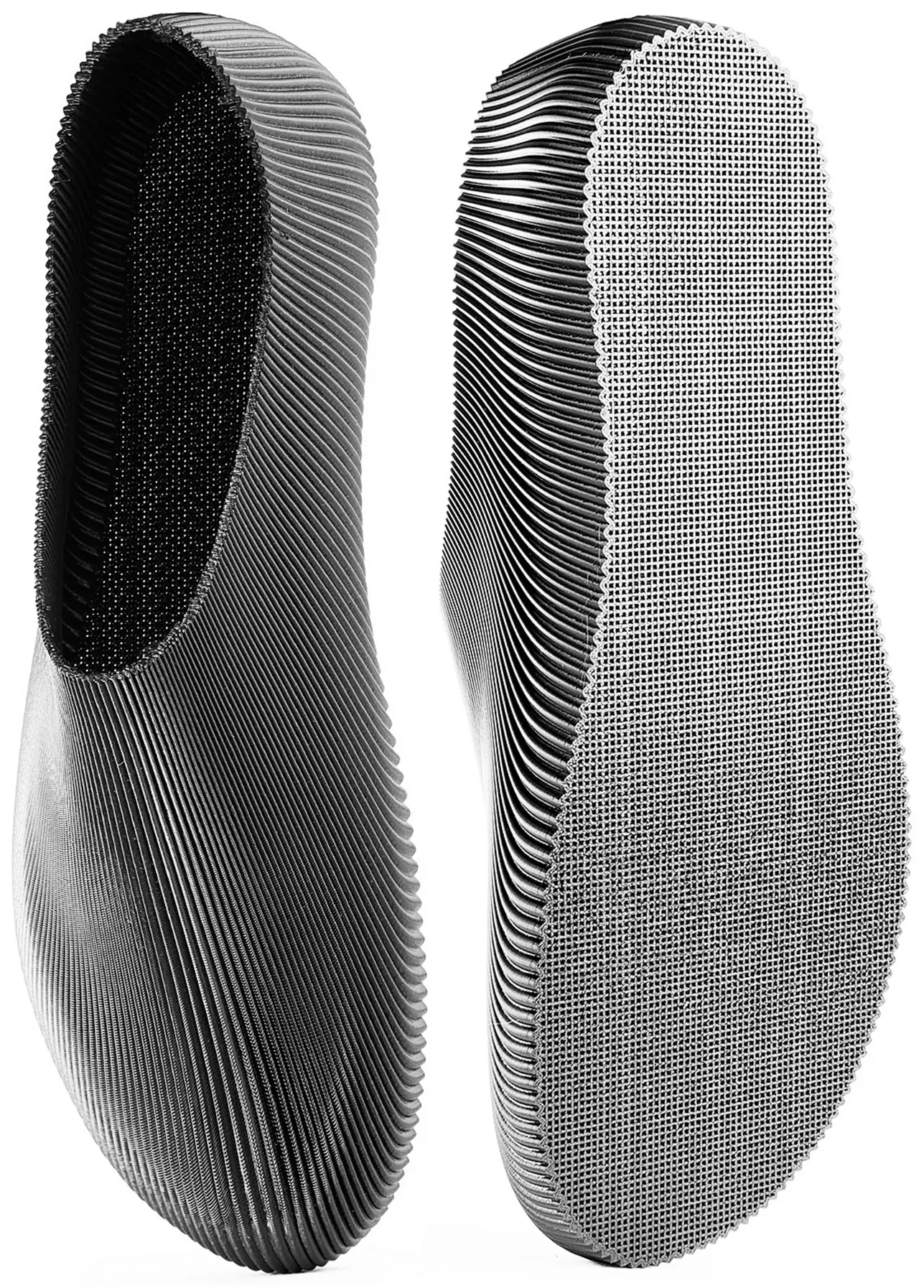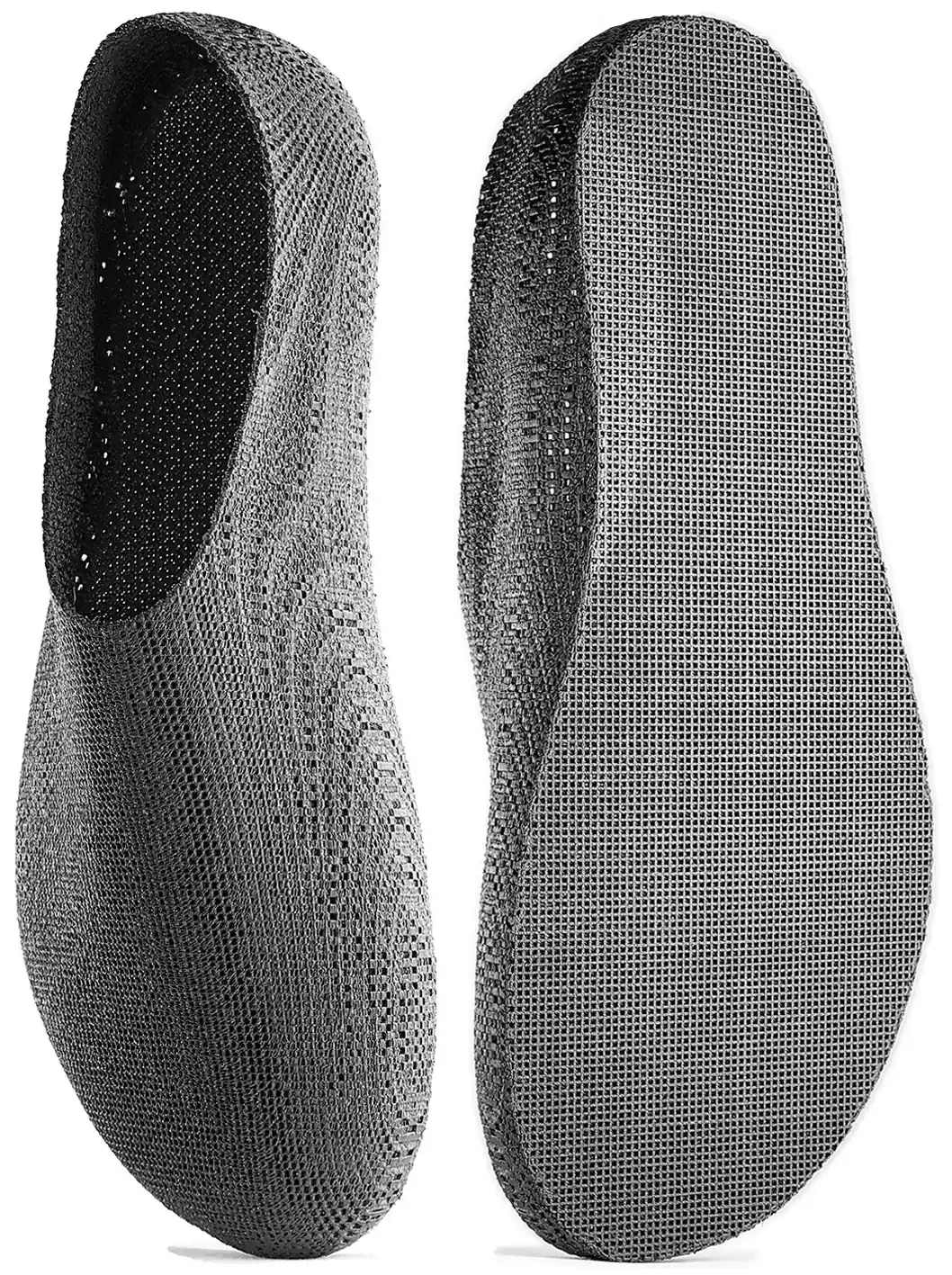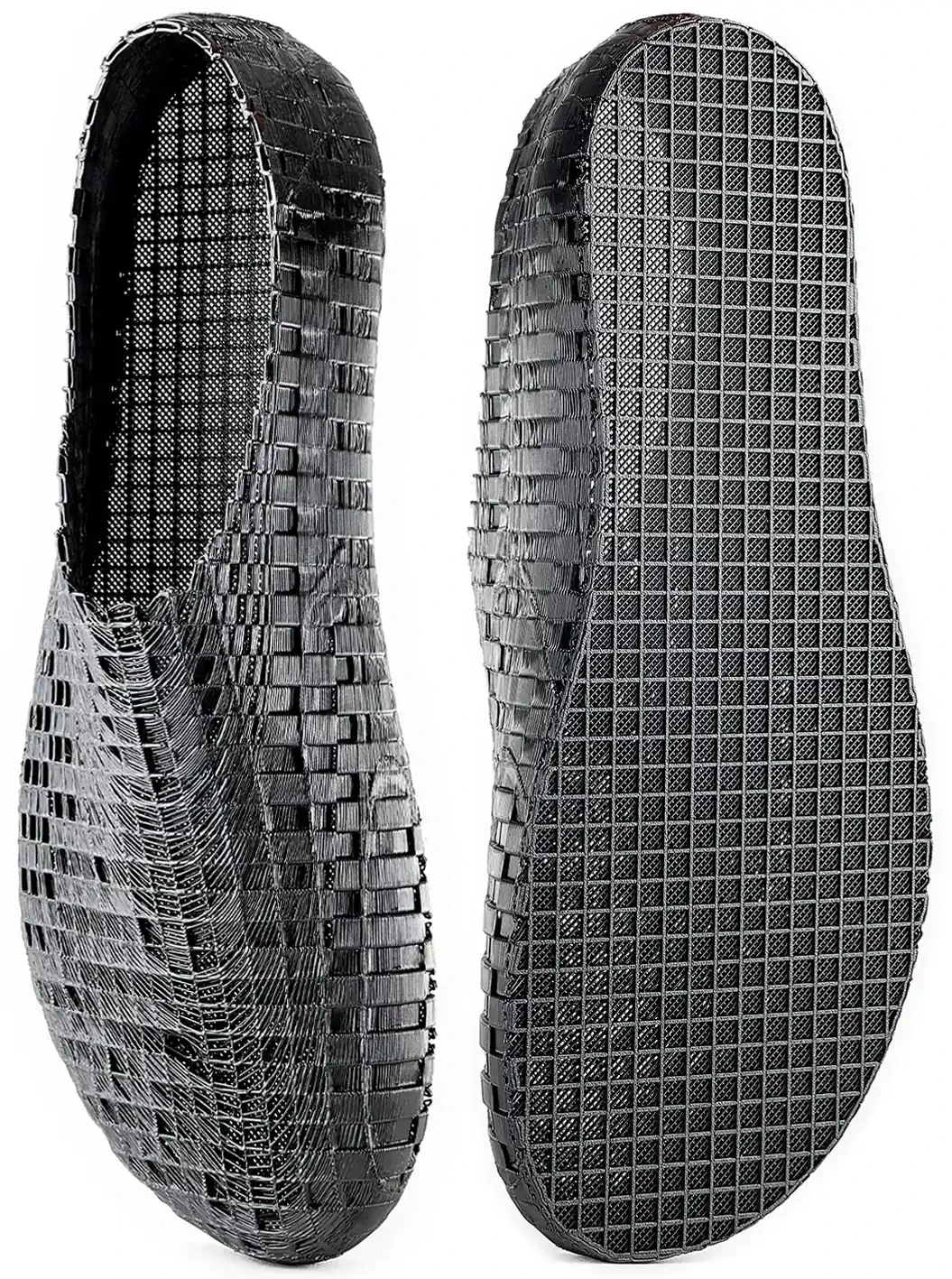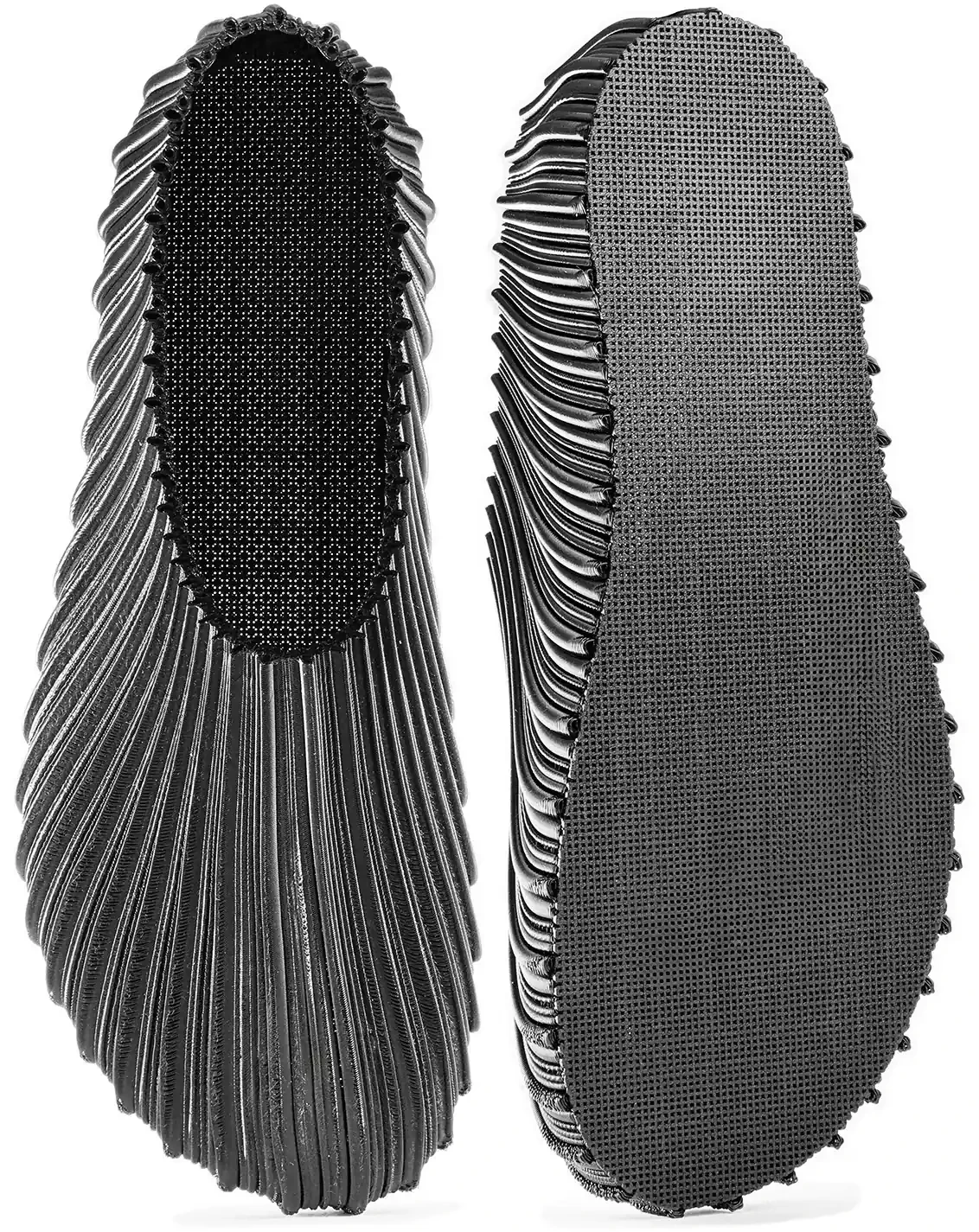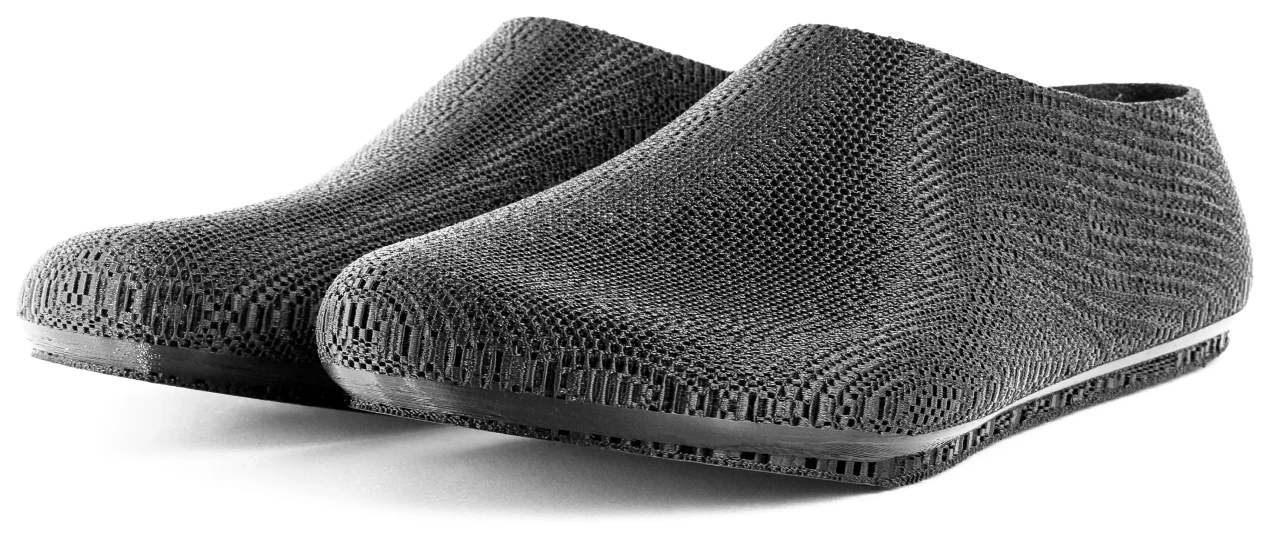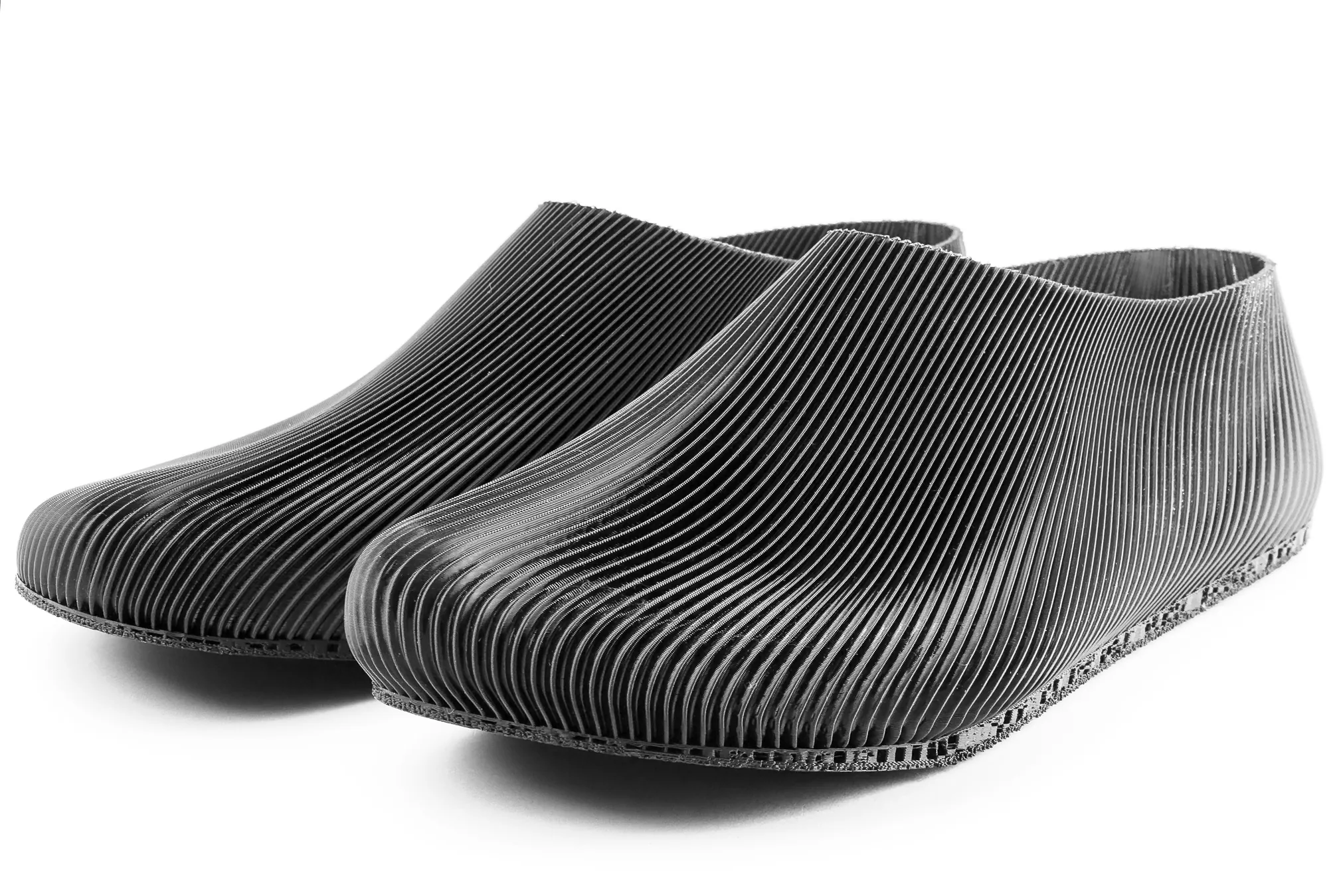
The first objection is sweat. TPU is not fabric, so the pattern has to do real work. Toe uses an open structure and separated toes to keep more air around the foot than a closed printed shell, but it should still be treated honestly: socks first, short wear tests first, then longer use if your feet like it.
Grip is the second objection, and it matters. TPU can be flexible without behaving like rubber on wet tile. Dry indoor floors, studio use and short outdoor tests are very different from rain, polished stone or bathroom floors. If wet grip is the priority, a thin grippier sole is the practical upgrade.
Comfort comes from geometry and material together. The toe separation gives movement, and the thin printed base keeps strong ground feel, but filament hardness changes everything. 95A can print more easily and still feel tough; softer TPU such as 85A is where the idea becomes more interesting, if the printer can handle it.
For makers, the practical questions are as important as the photos: choose the closest size, expect roughly shoe-scale TPU use rather than a tiny trinket, and treat filament choice as a fit decision, not only a printability decision.
Durability is not a promise you solve with one word. Reddit comments kept asking how long printed shoes last because the bend zone is where a shoe becomes real. Earlier tests showed tearing around repeated flex after heavy walking; the right answer is iteration: line path, thickness, flex zones and reinforcements decide whether the print survives use.
Toe is also easy to mislabel. It is not a normal sneaker, and calling it one undersells what makes it strong. It is a printable barefoot toe design: closer to ground-feel footwear, slipper and experiment than to a foam running shoe.
People need clear limits before they print or buy: what the design is for, how to test it, and where a thin sole or different TPU can make it better. Toe gives them a shape they can understand, argue with, print and remember.
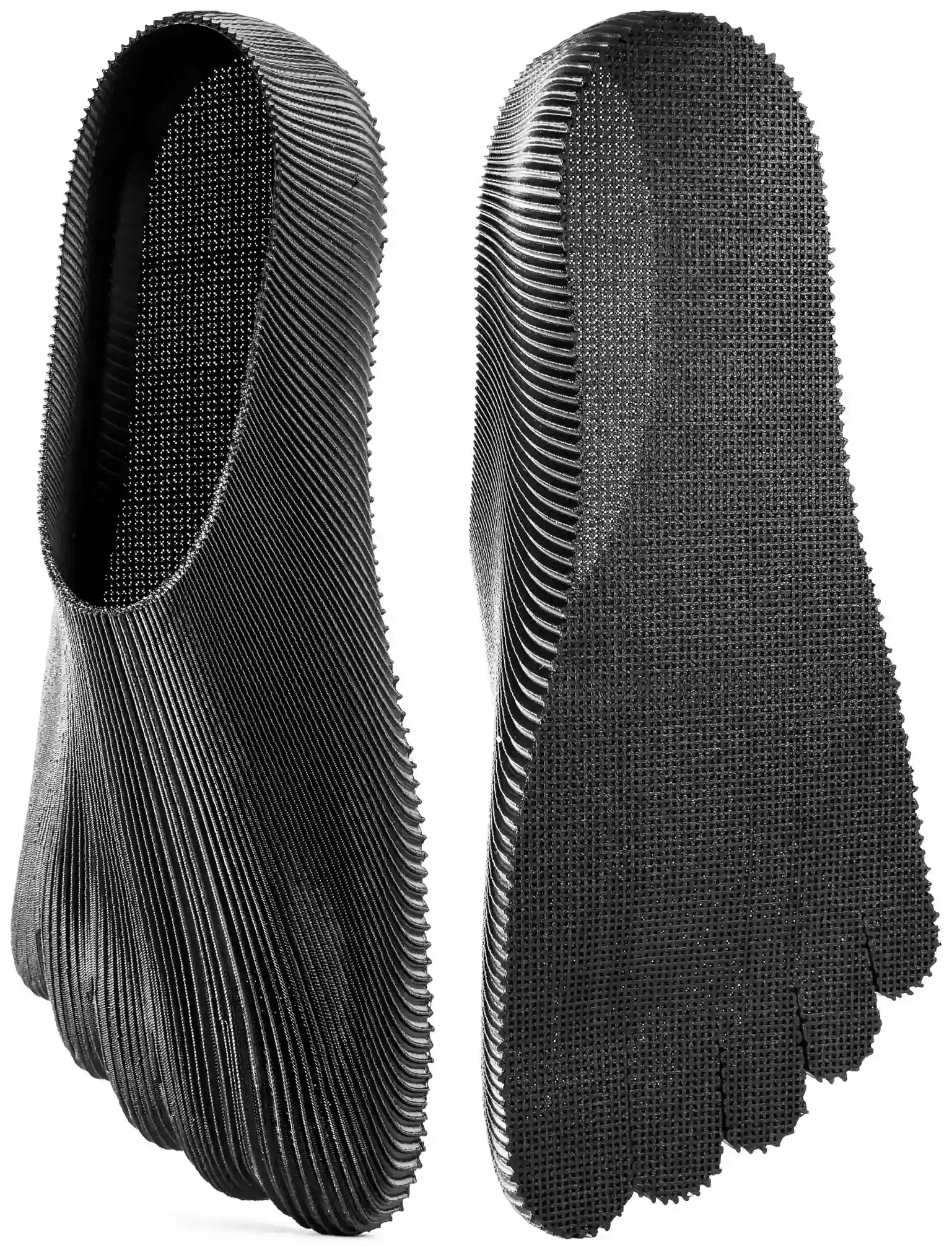
Toe
A barefoot River shoe with separated toes for more movement, using the same controlled wave-pattern idea as Onda: interleaved semicircular curves shaped around the foot.
View design