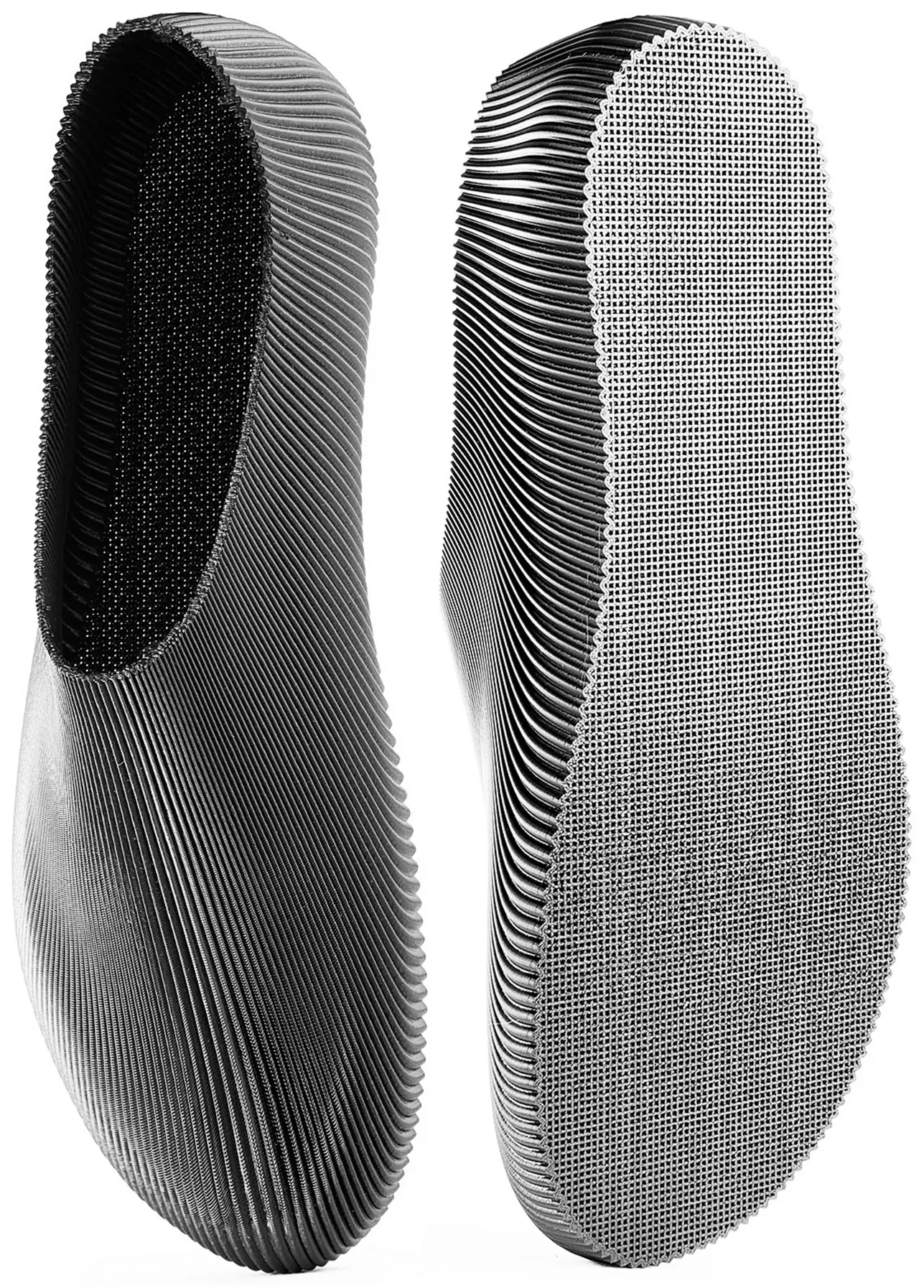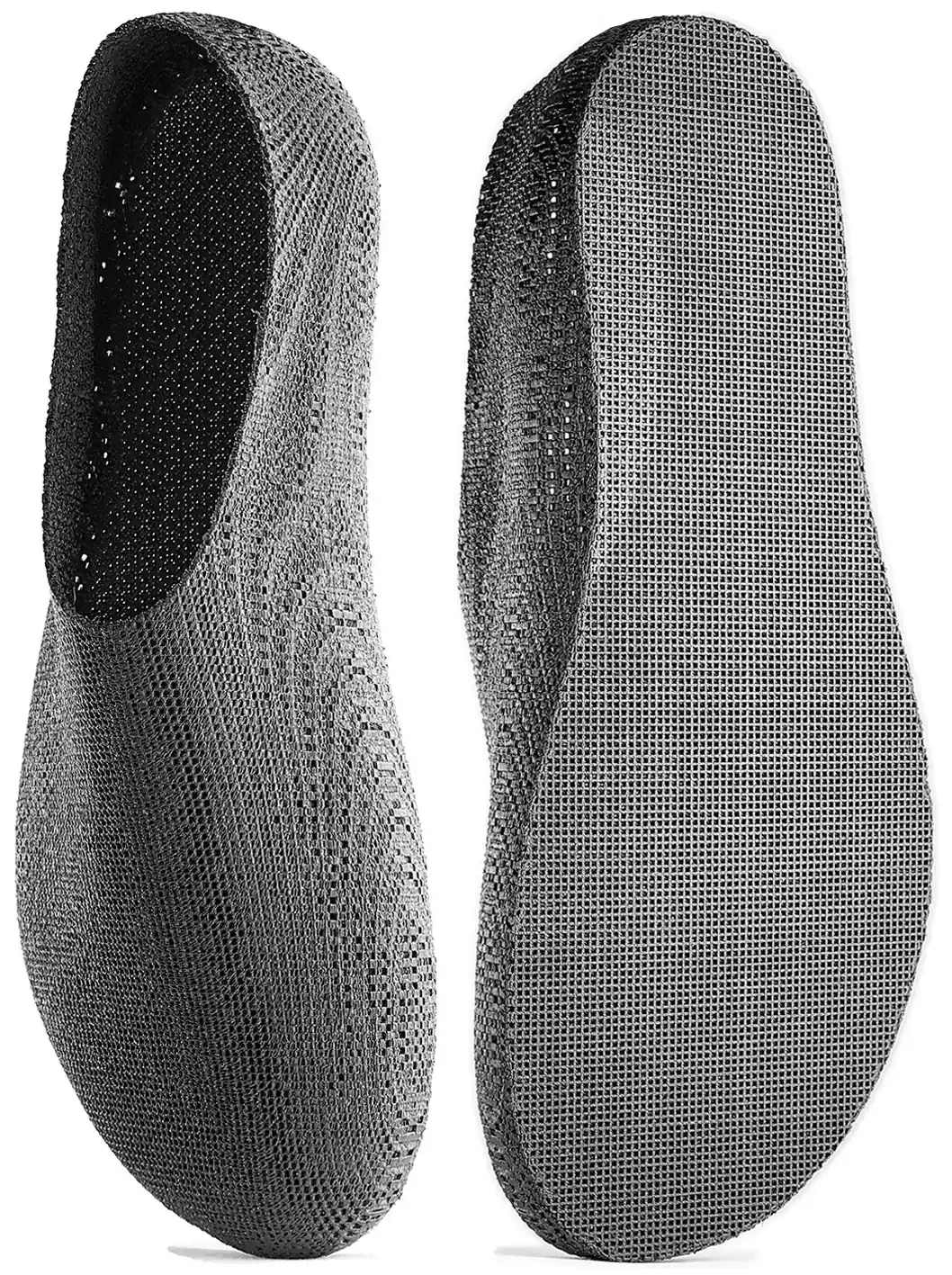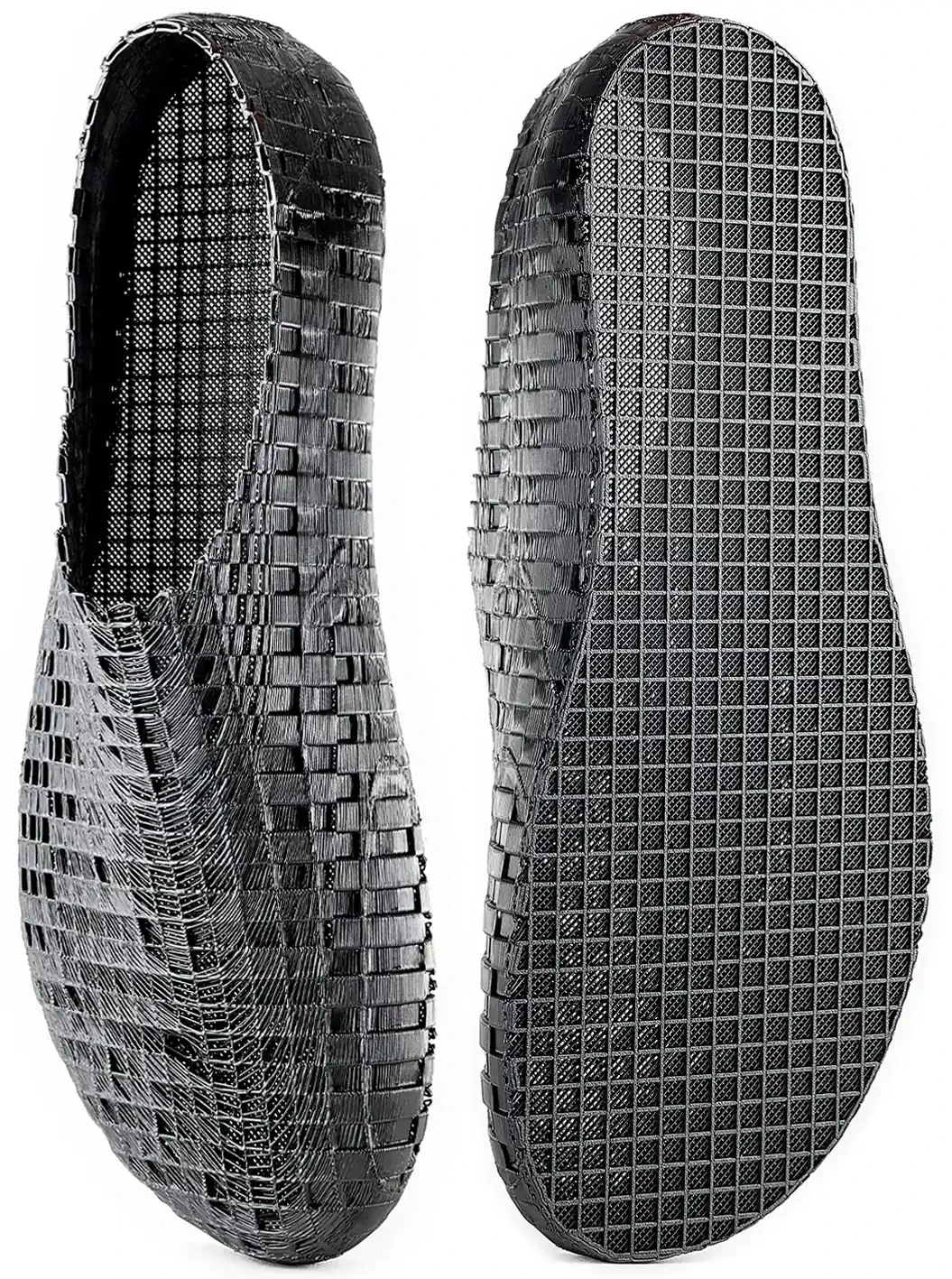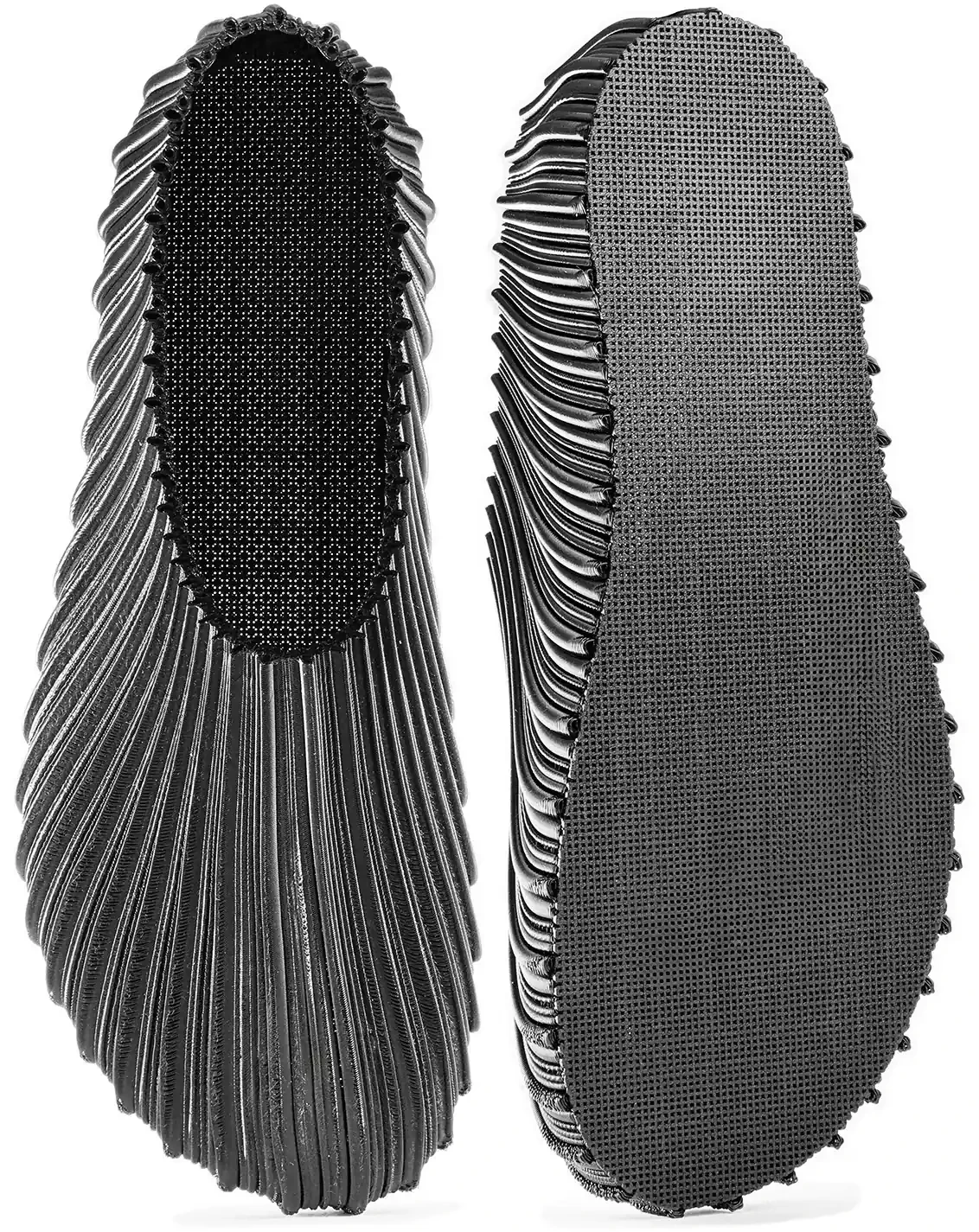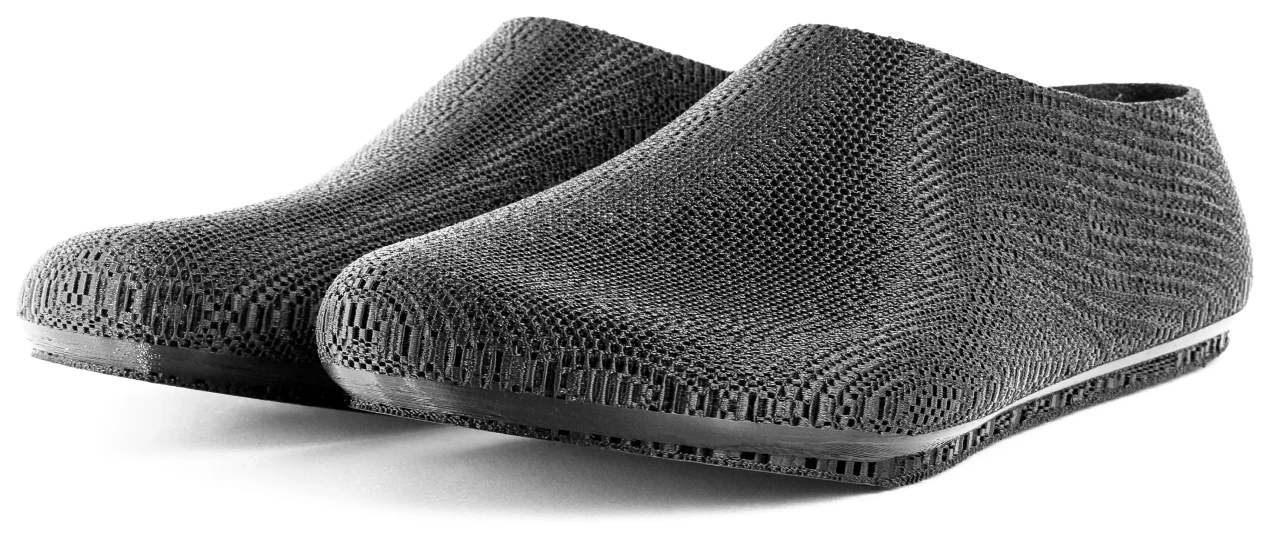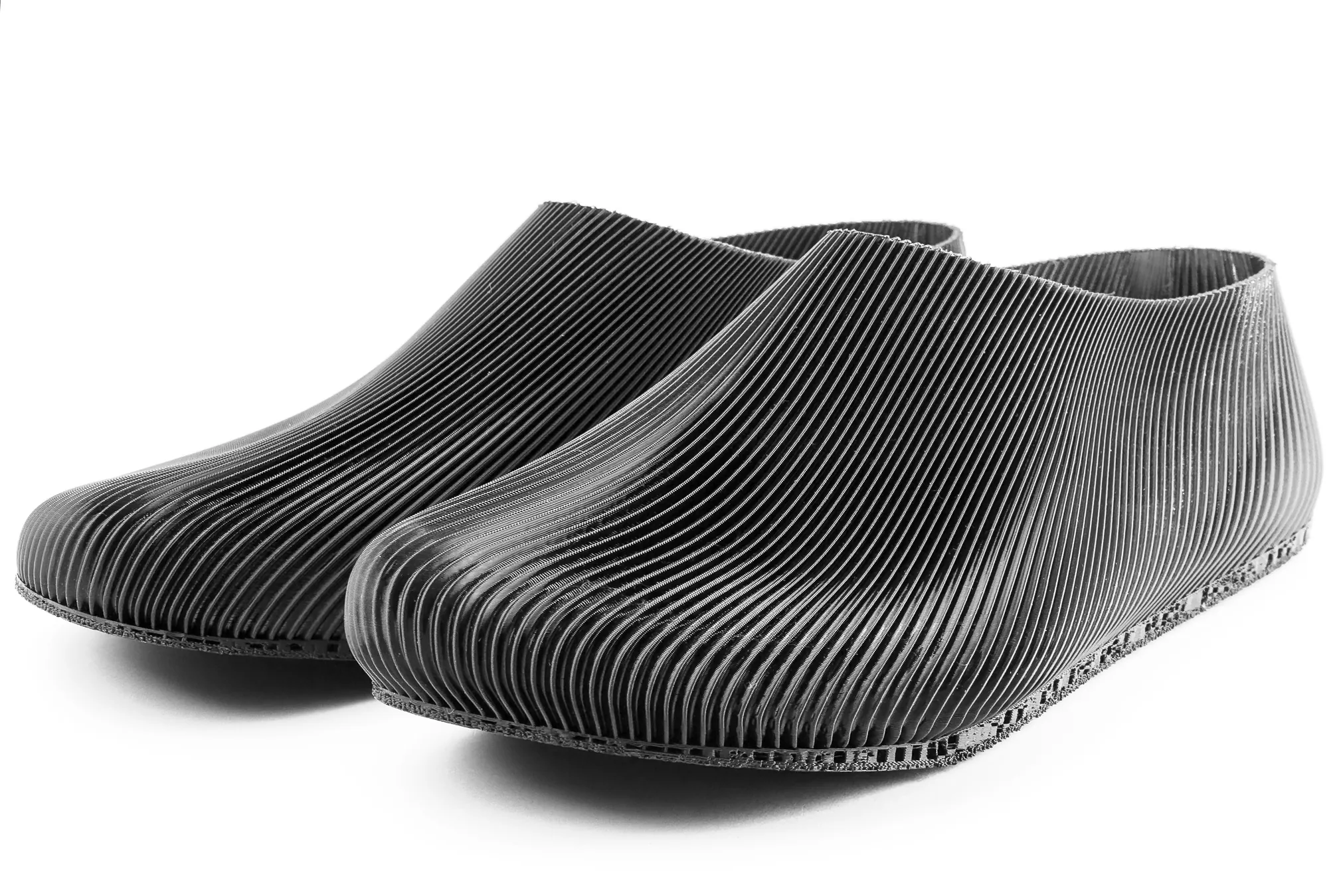
Toe works because it does not ask permission to look normal. The Reddit reaction proved that instantly: people joked about birth control, called them socks, slippers and crimes, then kept asking how they print, what TPU they use and whether they actually move with the foot.
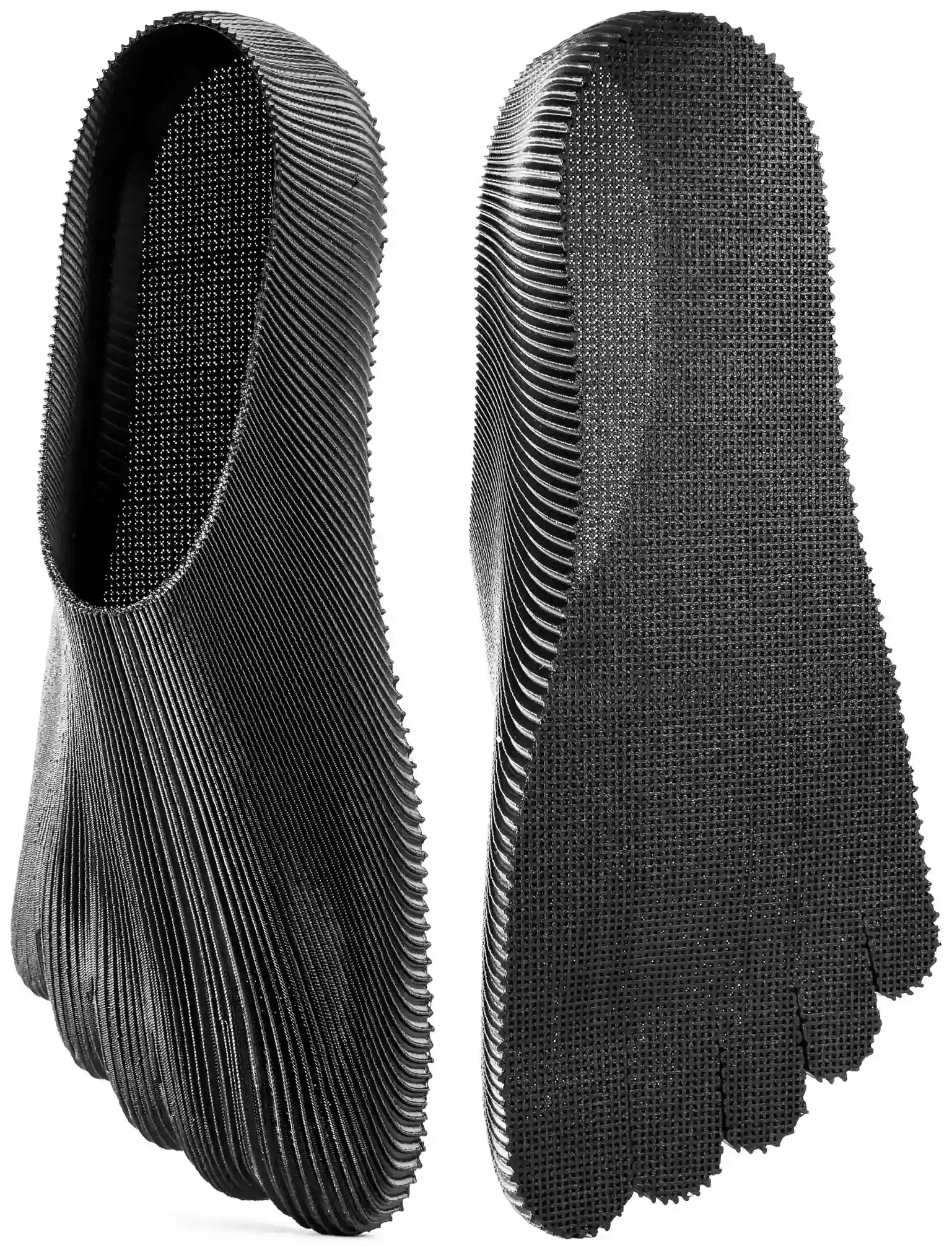
That tension is the point. Toe is not trying to hide the print under sneaker cosplay. It puts the process on the surface: separated toes, wave-like toolpaths, visible flexibility and a shape that makes the internet stop scrolling.
The joke was useful because it filtered attention. People who only saw the toes made memes. People who looked twice asked the questions that matter: sweat, wet grip, comfort, durability, TPU hardness, sizing and whether the toes can move independently.
Toe answers by being specific. It is a barefoot-style TPU design with separated toes and an Onda-like wave pattern. It is for ground feel, toe articulation and the strange pleasure of wearing something that could only come from a printer.
The funniest comments were useful because they named the real category problem. Toe is part shoe, part slipper, part printed object; normal is overrated, but the use case should stay clear before anyone downloads it.
That also defines what it is not. Toe is not a foam running shoe and it should not be sold like one. It sits closer to a printable barefoot house shoe, experimental toe slipper and functional design object than to a mainstream sneaker.
The honest first test is simple: print in TPU, start with socks, try short dry sessions, then decide whether your feet like the shape. Wet floors, long rough-ground use and outdoor abuse need caution, and a thin added sole can make sense when grip matters more than a pure printed sole.
The point is bigger than novelty. Toe turns ridicule into proof of attention, then rewards the people who look twice with a real printable structure, sizes, TPU guidance and a design that is memorable before it is even explained.
Toe
A barefoot River shoe with separated toes for more movement, using the same controlled wave-pattern idea as Onda: interleaved semicircular curves shaped around the foot.
View design