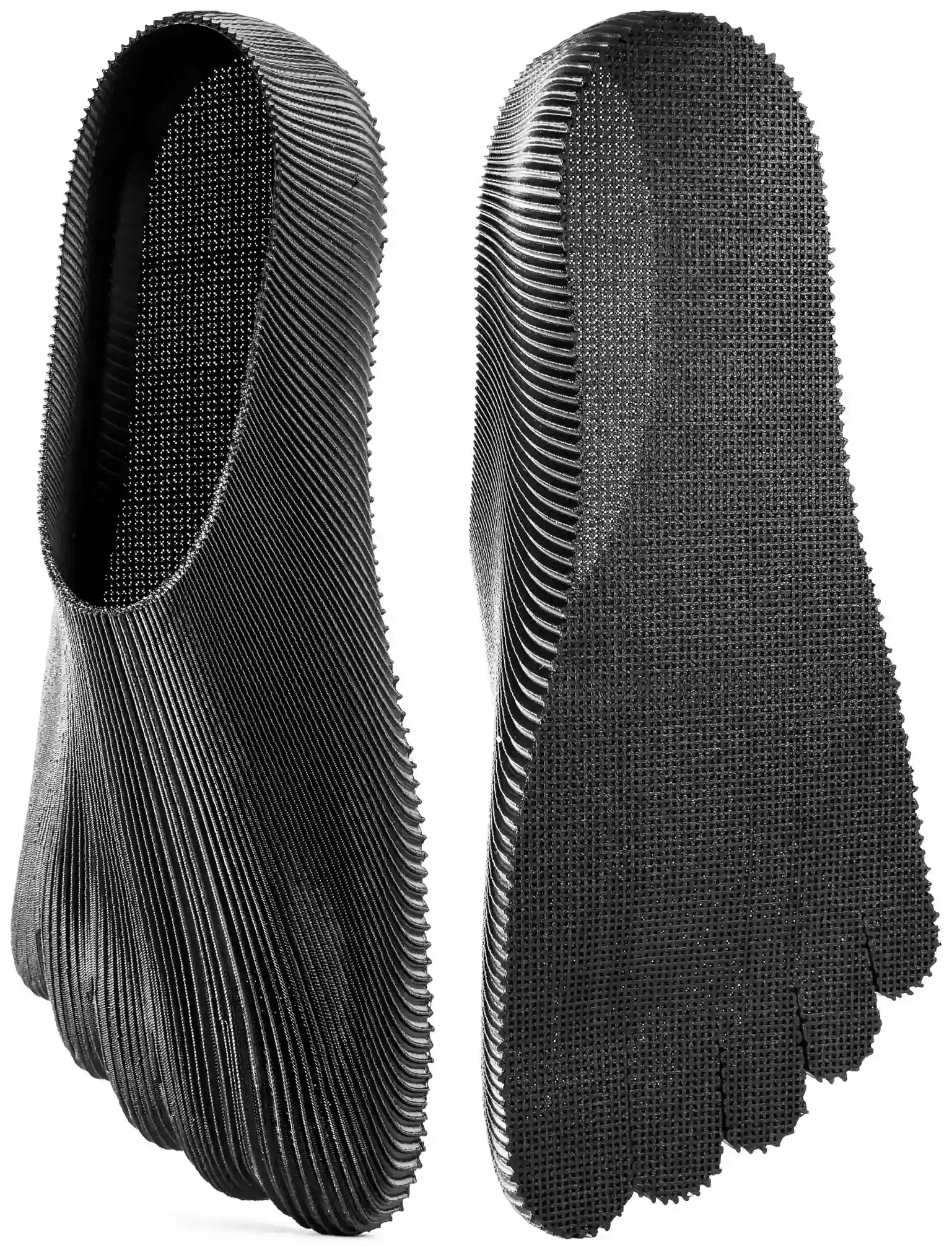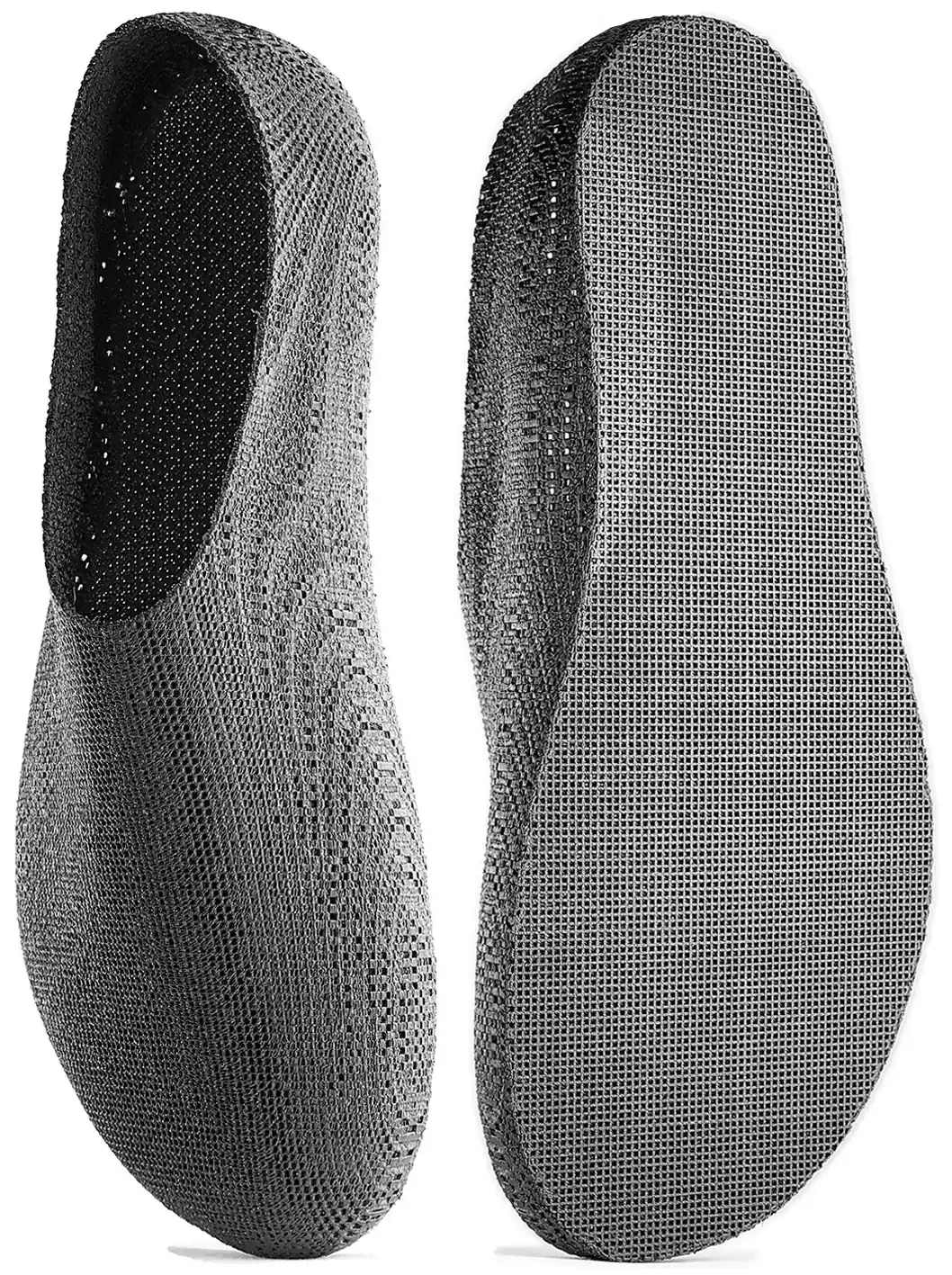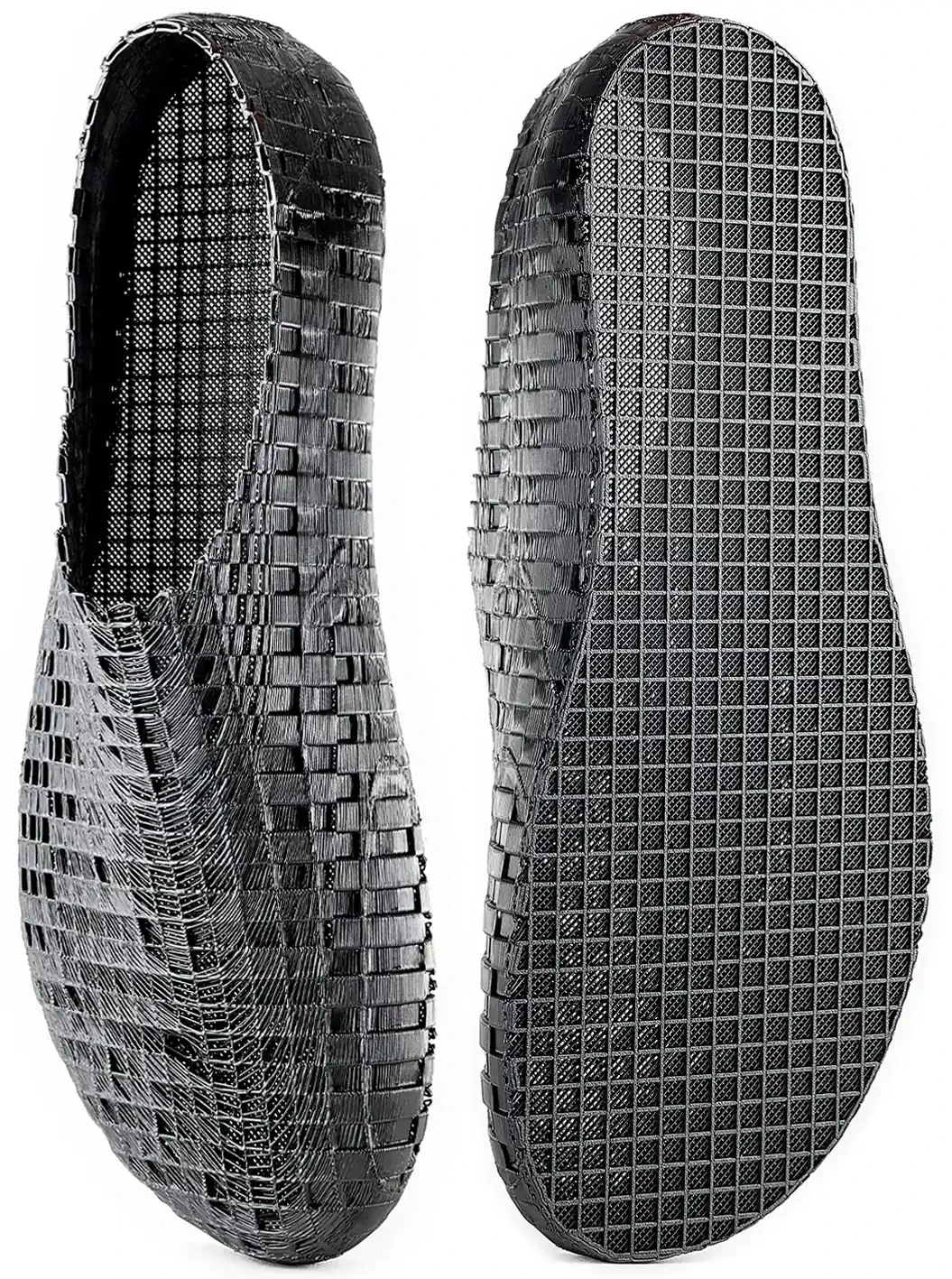
A printed shoe is not solved by drawing a shoe shape and pressing print. Every variable changes the result: geometry, thickness, pattern, print orientation, filament hardness, flow, layer height and the surface that touches the foot.
That is why River shoes come from thousands of iterations. Many prototypes can look interesting in a photo and still miss the balance: too scratchy, too stiff, too weak, too hot, too slow to print or too hard to remove from the plate.
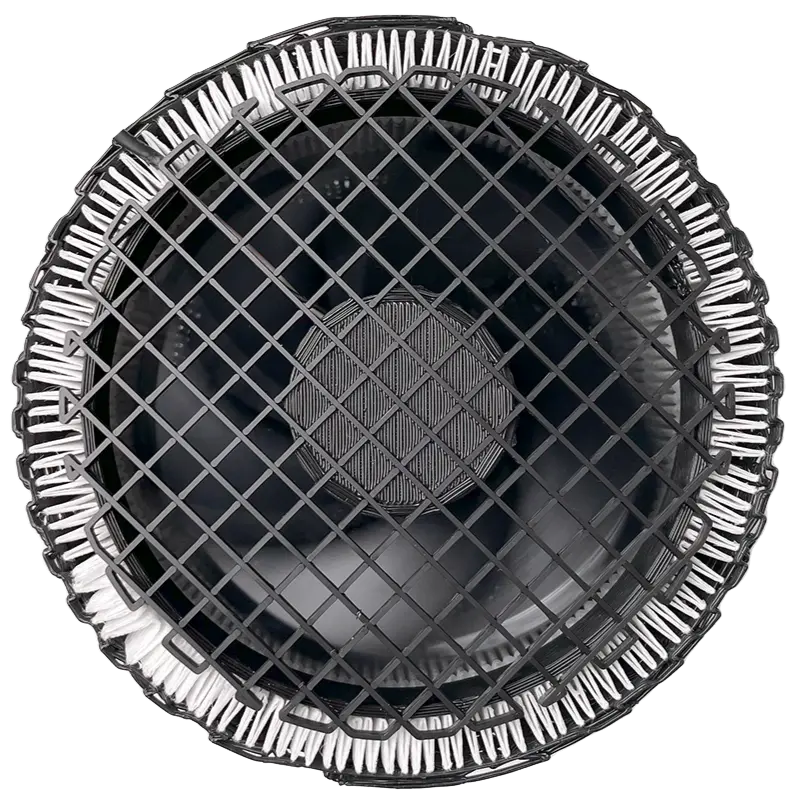
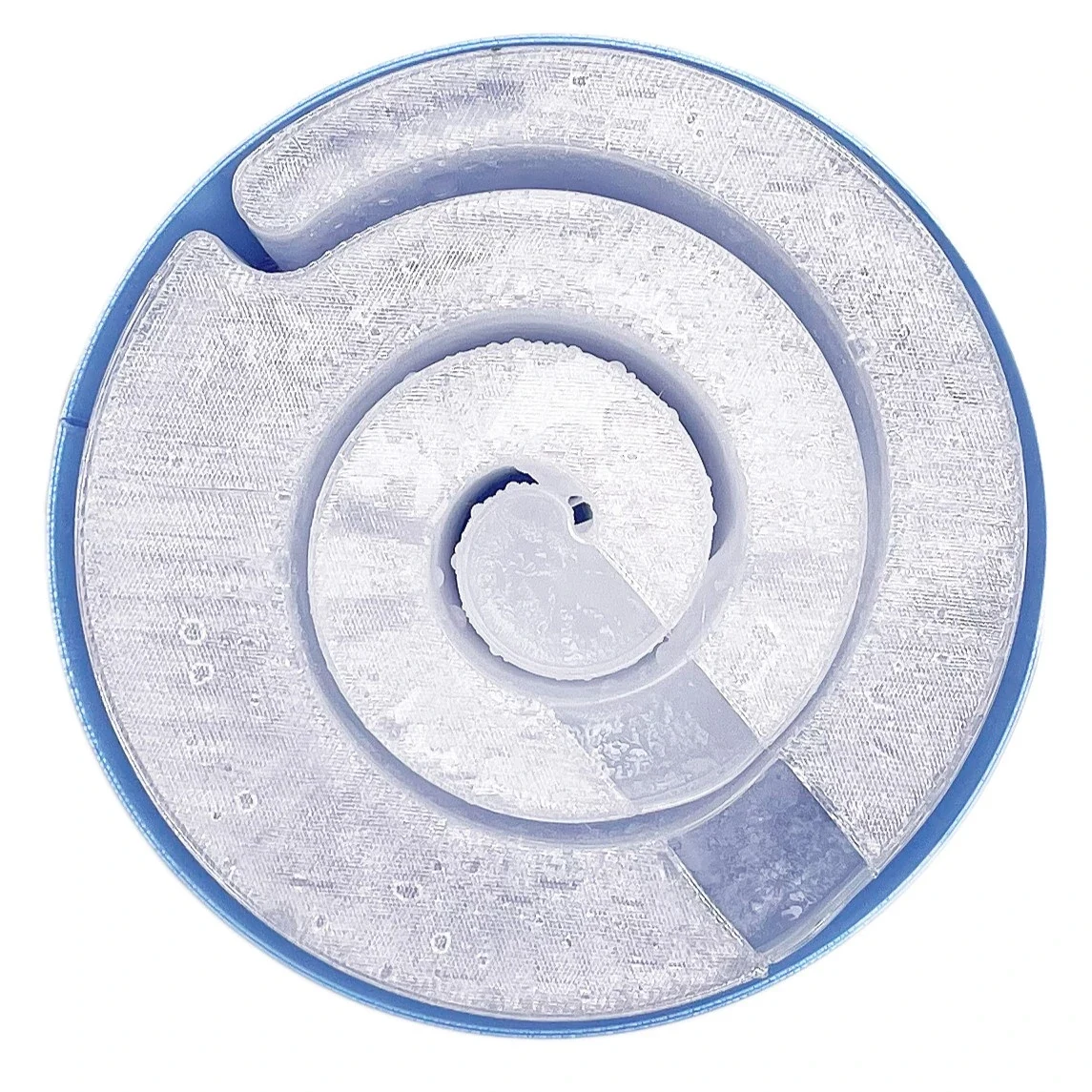
Geometry decides the fit. Thickness decides stiffness and strength. The print pattern decides how the shoe bends, breathes and feels against the foot. The build-plate orientation decides what the slicer can actually produce and where the stress lines land.
Pattern is not decoration in a TPU shoe. At the same material and the same printer settings, the line path can radically change durability. One structure can fold cleanly; another can force the same material into a sharp repeated stress point.
Material then changes everything again. In River testing, the more flexible 85A range has been the most durable direction because it can bend with the shoe instead of fighting the bend. That only works when layer adhesion is good; soft material with weak bonding is still weak footwear.
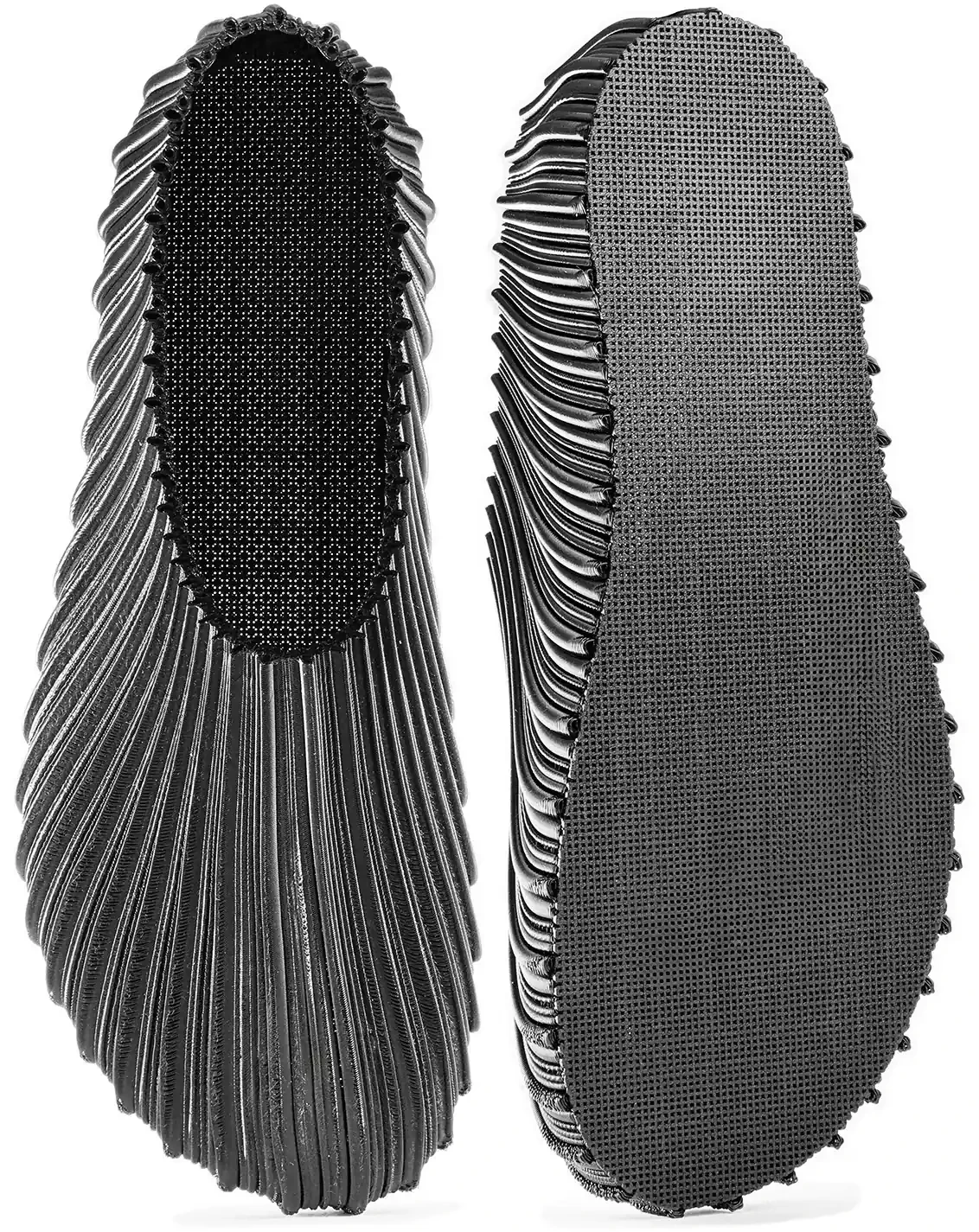
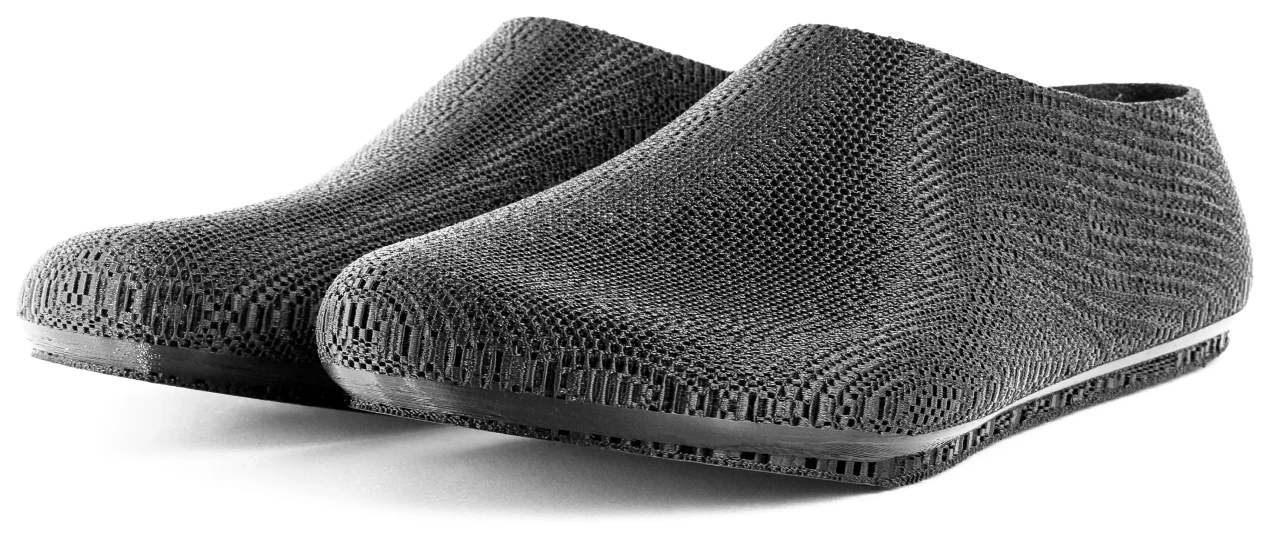
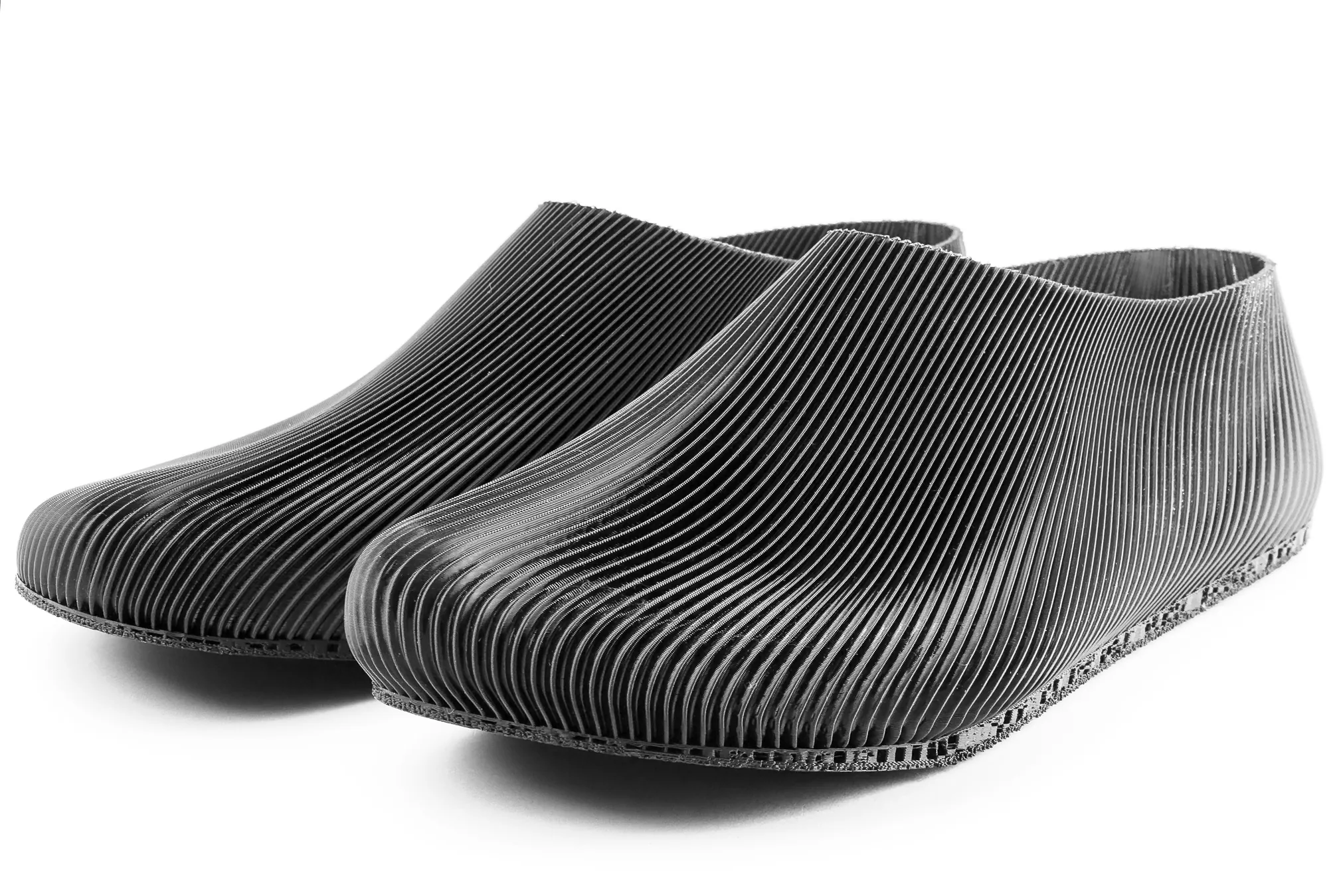
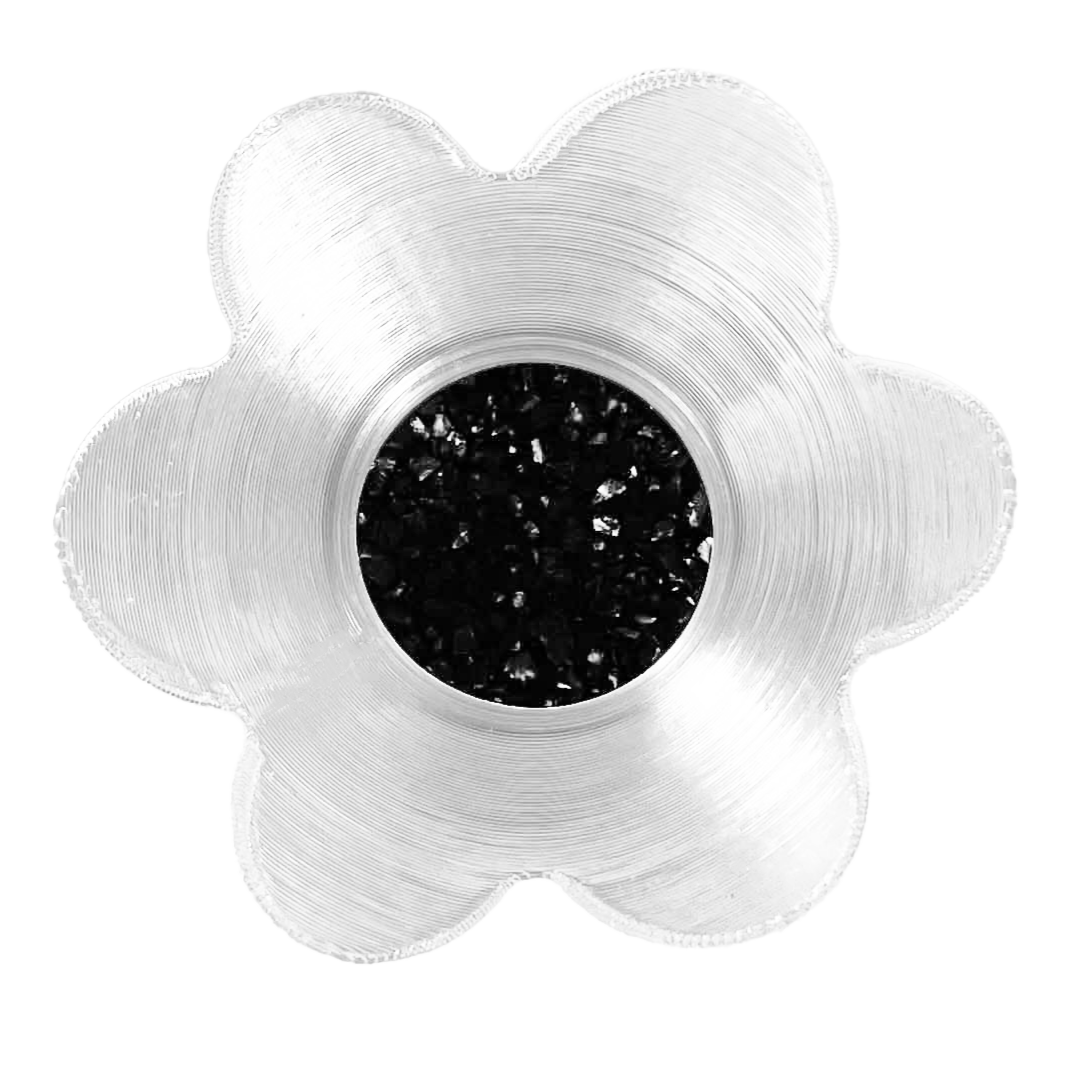
The Onda pattern is important because it emerged from this process as a strong comfort-and-durability balance. Its double semicircular wave is smoother inside than the Tora grid, so Onda can be more comfortable barefoot while Tora is better treated as a sock-friendly, breathable grid shoe.
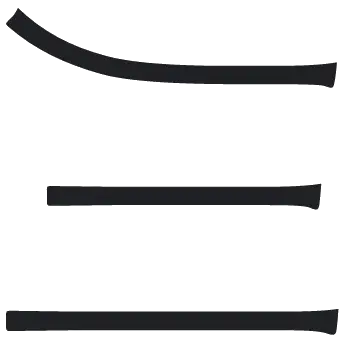
The obvious wave answer was not enough. A double or triple shifted sinusoid can look plausible, but it did not give the same resistance. Three offset semicircular waves were tested too; that made the shoe too rigid, the bend could be felt underfoot, and the print broke earlier.
The final Onda logic uses two interleaved semicircular wave paths. The curves give the surface a smoother hand feel and let the structure absorb bending without turning the shoe into a hard shell.
That does not make the other River shoes less wearable. Tora, G1, Riku, Eros and Toe explore different tradeoffs: grid scale, graphic surface, toe movement, breathability and how visible the printed structure should be.
Onda is the clearest example of why pattern matters so much. The right path is not only prettier. It can make the same TPU stronger, smoother and more comfortable at the same time.
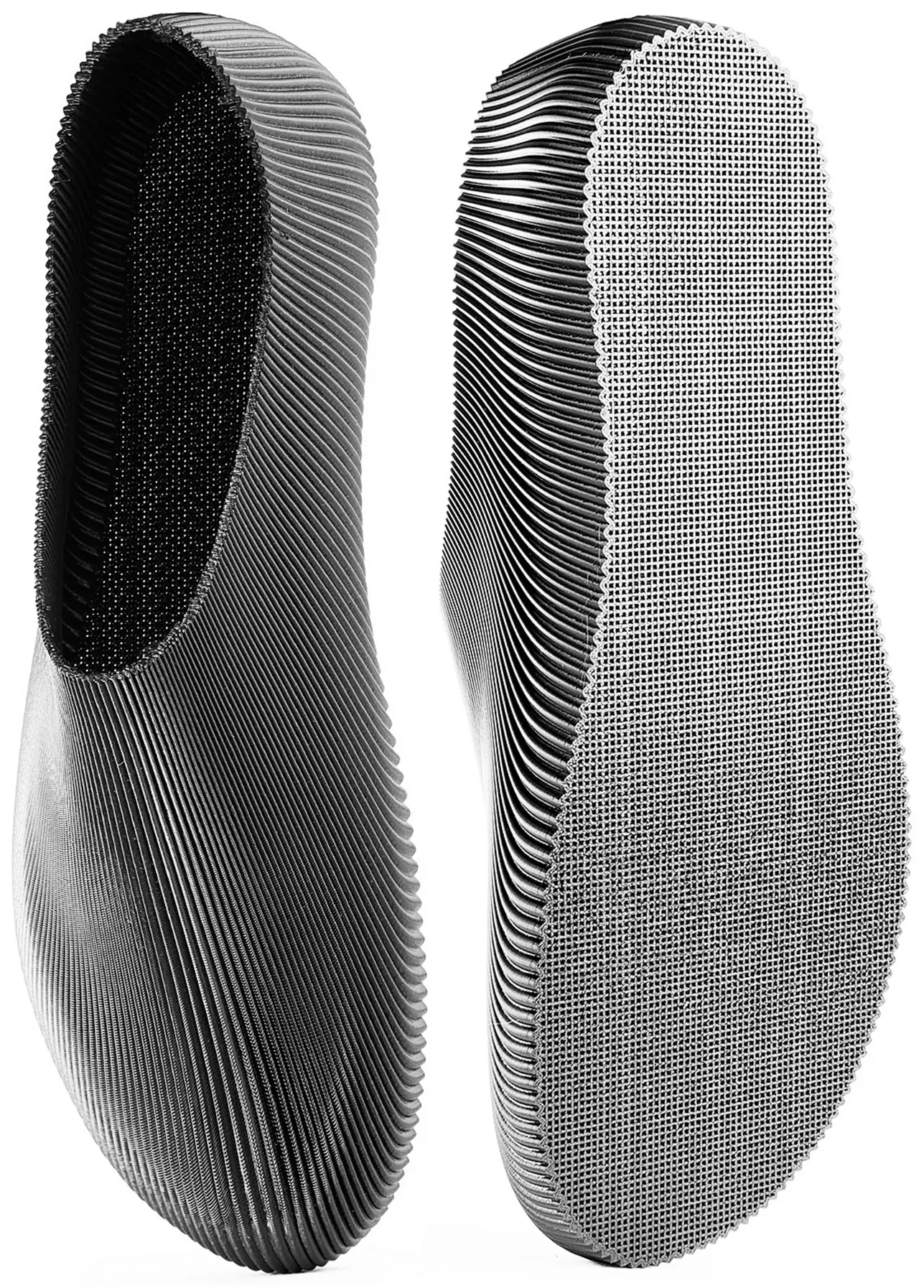
Onda
River’s best barefoot pattern for comfort and durability: a smoother inside surface that can be worn without socks, generated from direct Grasshopper toolpaths with interleaved semicircular curves per layer.
View design