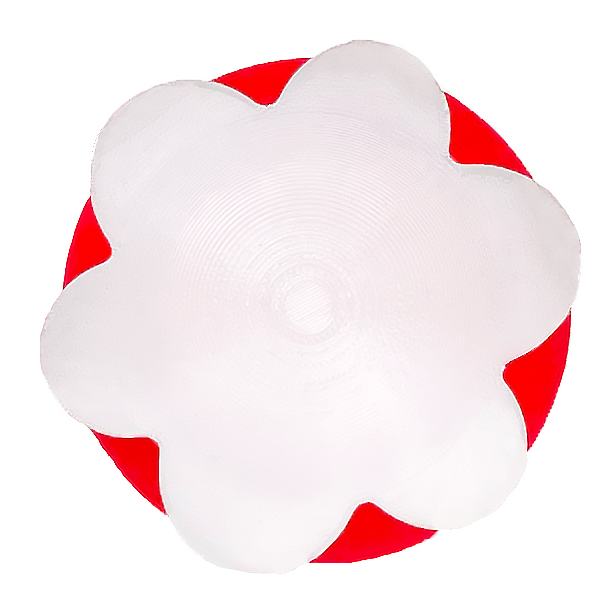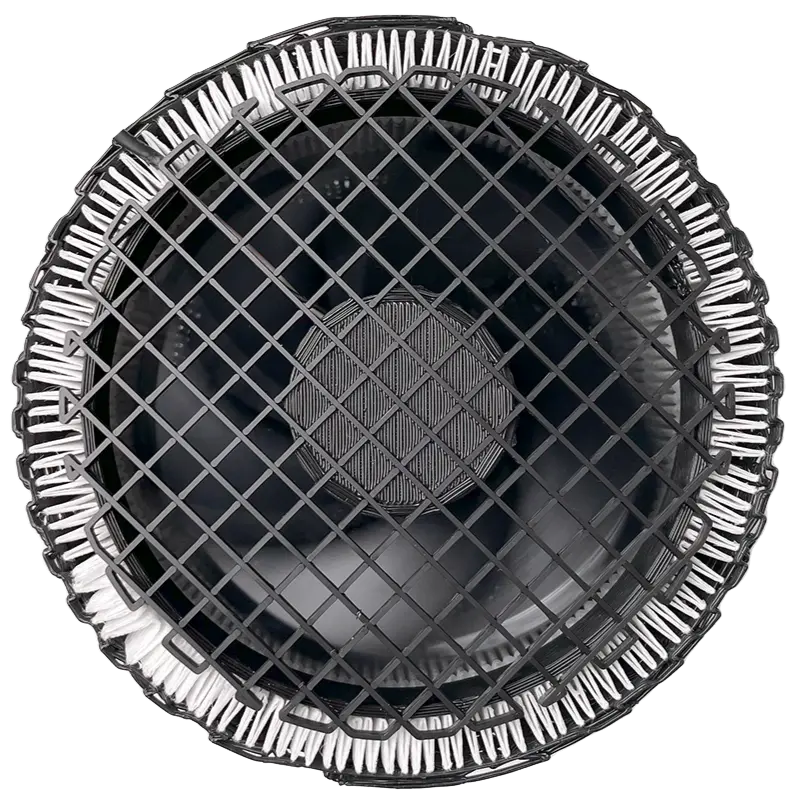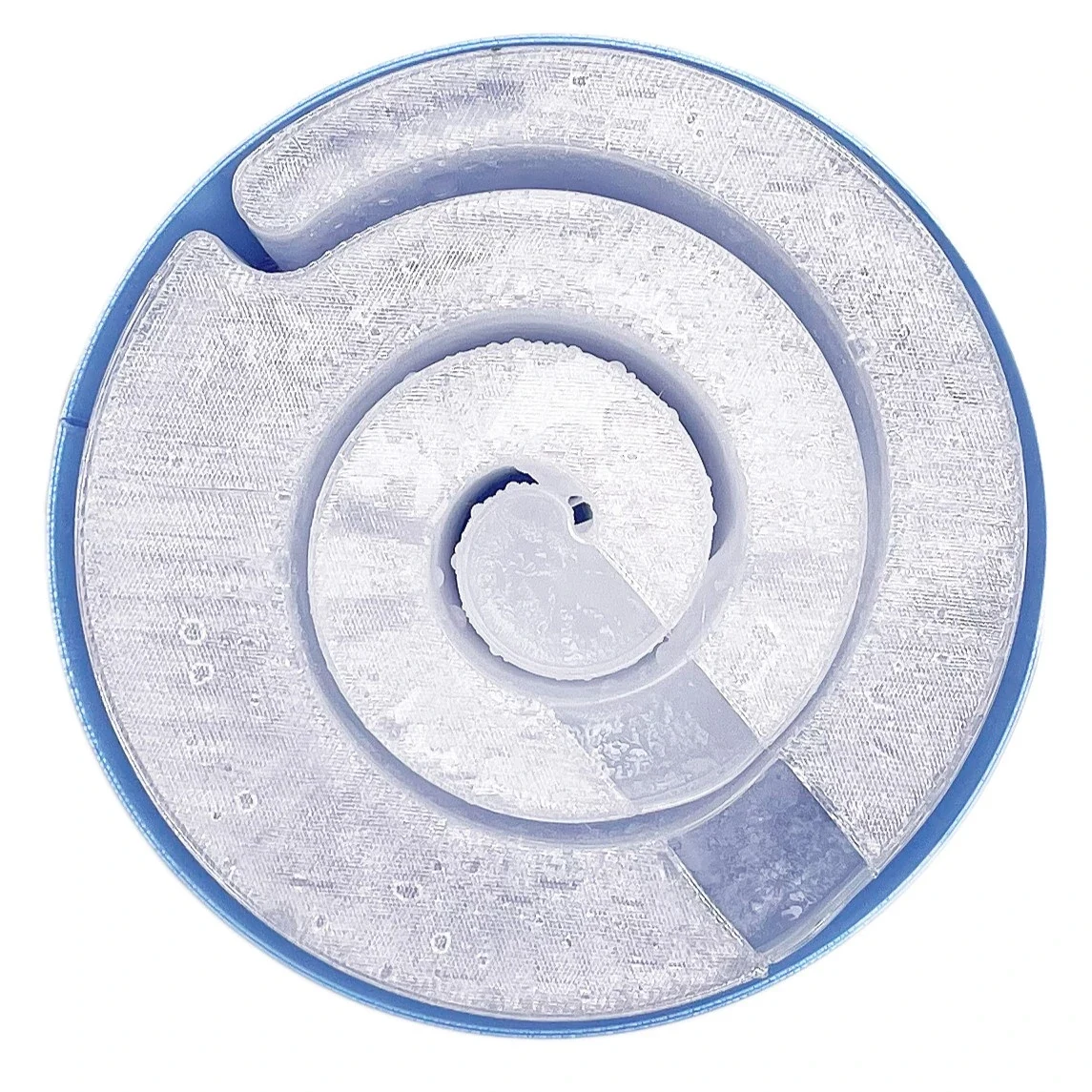
Jem is where polypropylene, water contact and moving geometry meet. The filter has to open for filling, hold activated carbon, attach to a tap and keep the water path clean.
That is why Jem is not treated as one ordinary model with one ordinary profile. Each part of the print has a different job: the bottom grid holds carbon, the body guides water, and the opening petals need to flex without failing.
The workflow slices separate sections in Cura and joins the resulting G-code afterward. This keeps the print path under control and lets different zones use the settings they need instead of compromising the whole object around one profile.
Polypropylene is central because Jem uses its food-safe water-contact behavior, chemical resistance, foldability and ability to become watertight with very thin walls. Those properties are useful only if the print is slow and clean enough.
Bed adhesion is part of the slicing story. PP does not naturally stick to many common print surfaces, so River uses transparent tape on the bed as a compatible polypropylene surface.
The practical rule is simple: print slowly, avoid overheating, control stringing and treat the G-code as part of the object. Jem is not only a water filter shape; it is a water filter print workflow.
Jem
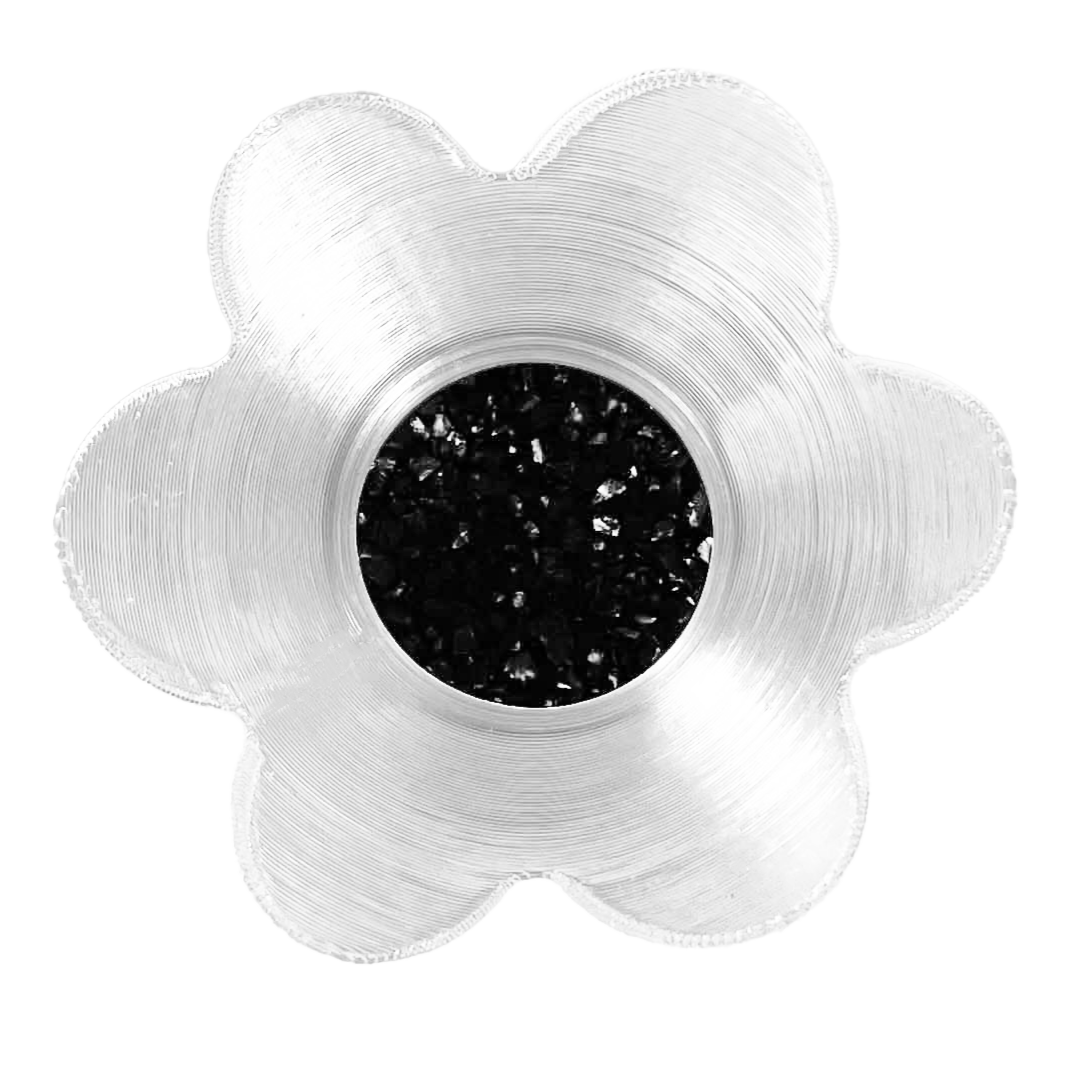
A polypropylene tap water filter for activated carbon. The flower-like top opens for filling, the body attaches to standard taps, and the bottom grid holds carbon while water passes through. Joined G-code keeps the water path cleaner by reducing micro-stringing.
View design