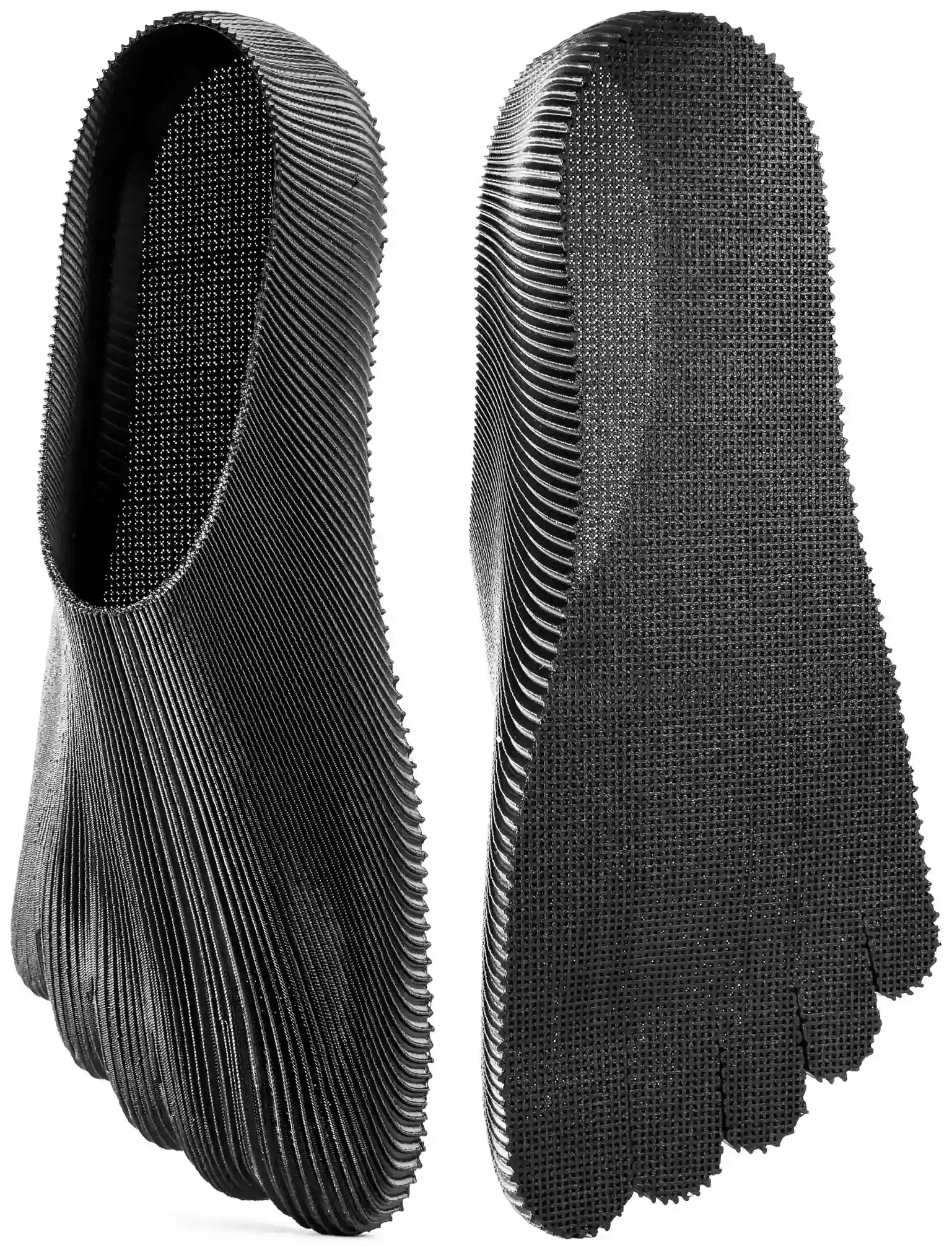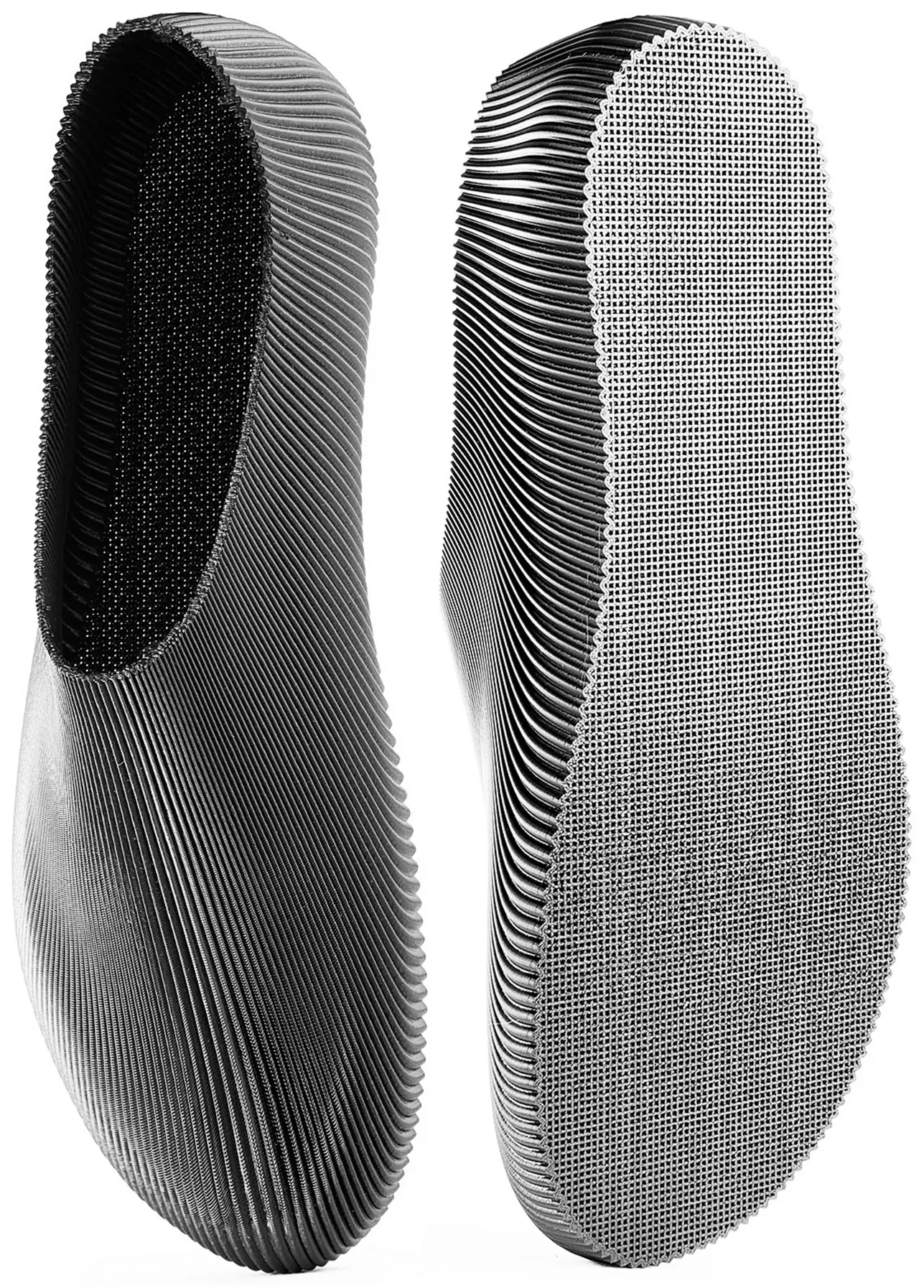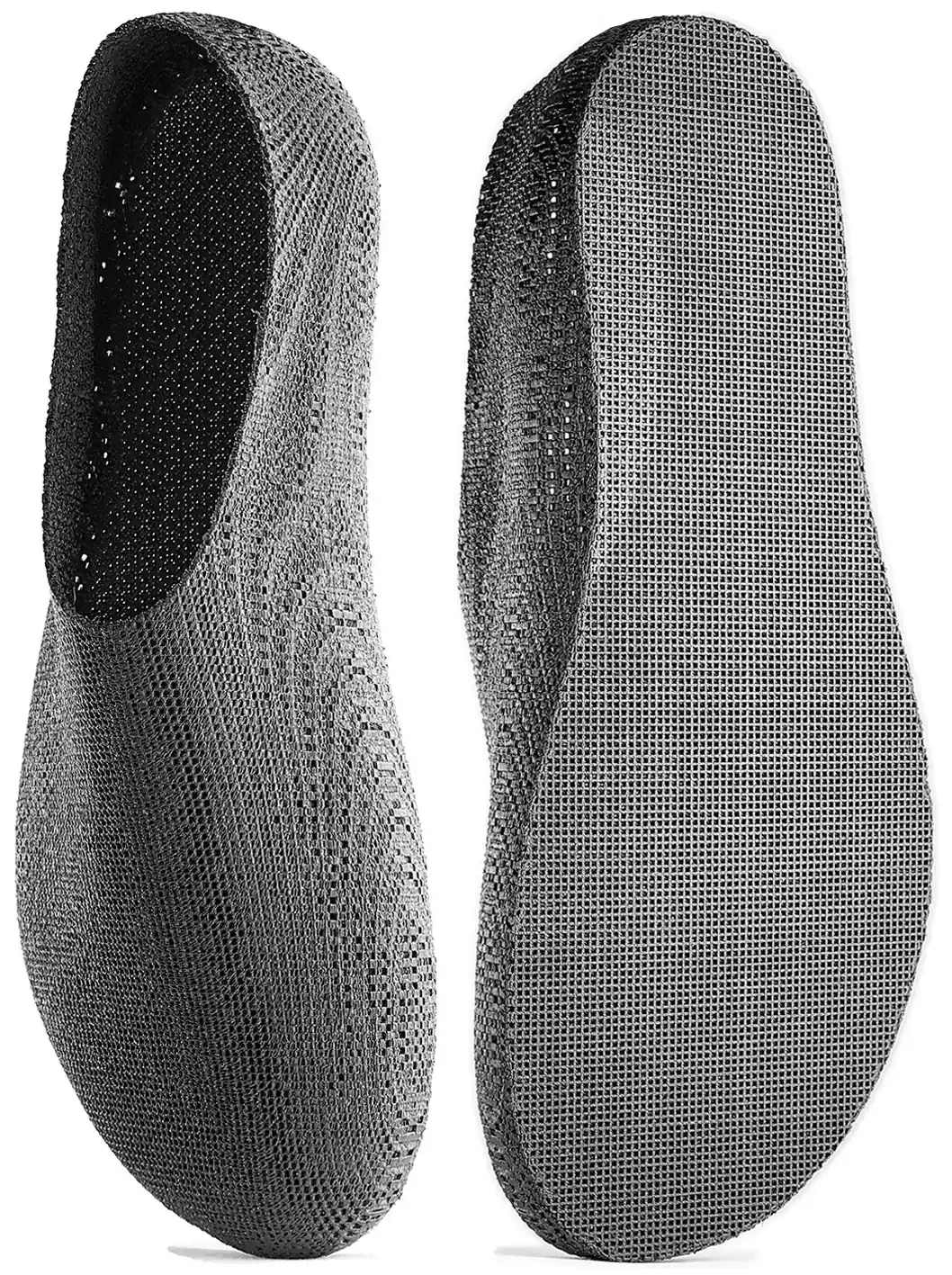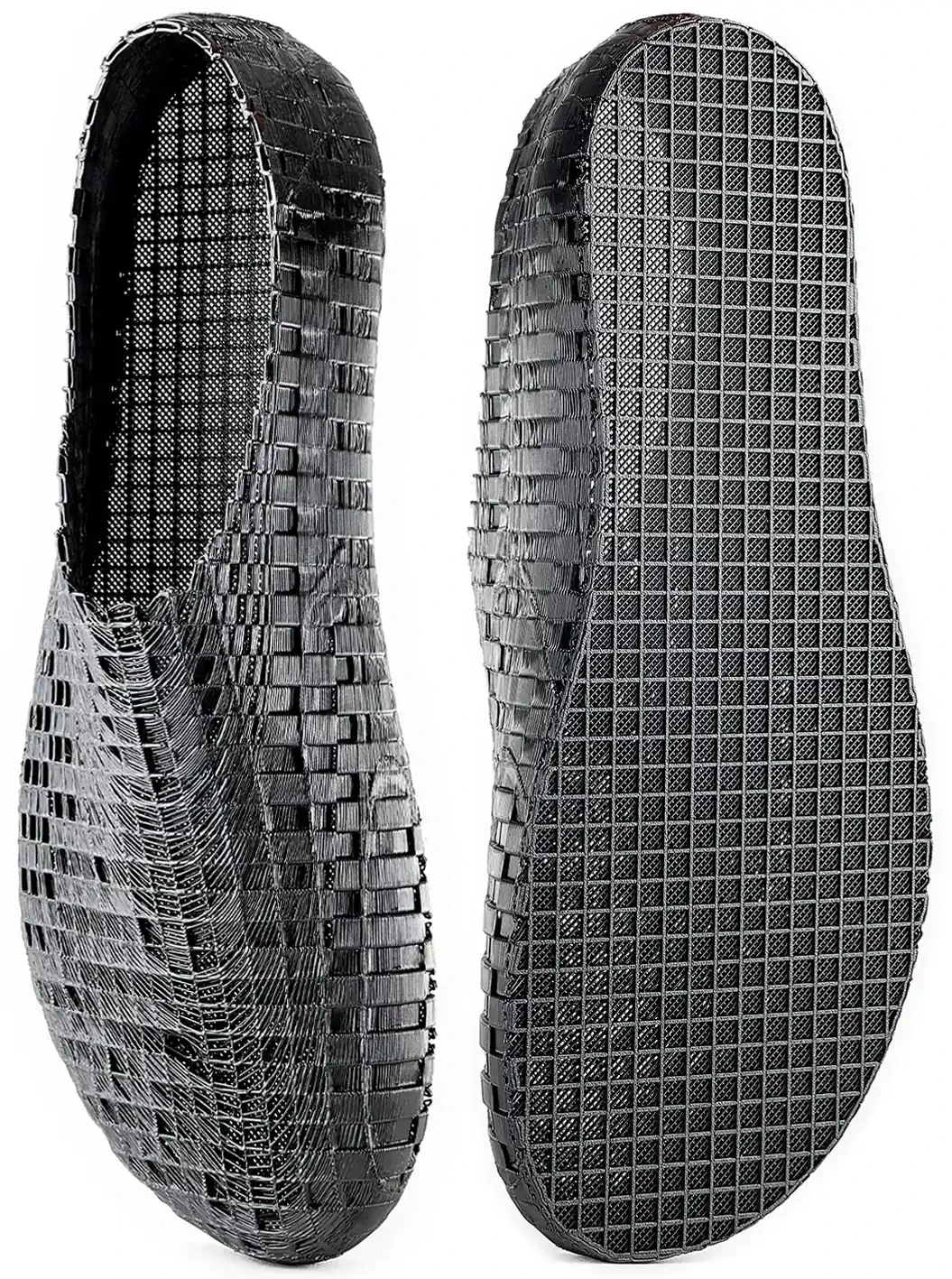
Durability is not a single number. It depends on filament, print quality, geometry, surface, walking style and whether the shoe is used indoors, outdoors, dry or wet. Two prints from the same file can live very different lives.
Maker feedback points to a useful pattern: harder TPU is easier to print but may feel less comfortable; softer TPU can be better on foot but needs a cleaner setup. If layer bonding is poor, even a strong-looking shoe can fail early.
The sole is the highest-wear zone. A printed sole rubbing directly on rough ground is under different stress from a slipper used indoors. This is why adding a thin sole can make sense for some use cases.
Geometry matters too. Open patterns can flex and breathe, but thin bridges and repeated stress zones need enough material and good extrusion. River shoes are not just decorative shells; the line width, infill and surface contact are part of the engineering.
The honest expectation: treat the first pair as a real wear test. If it fits and survives the first practical use, then you can refine material, size and sole choice for a longer-lasting pair.
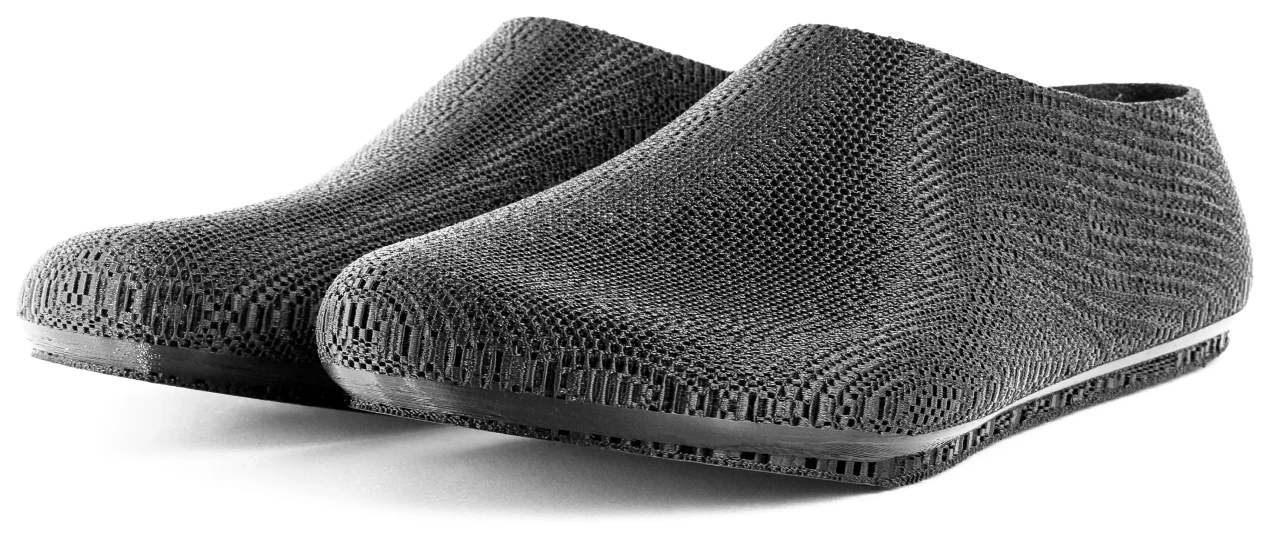
Taka
The thin-soled version of Tora: the same small-grid barefoot idea with a fine sole added for more ground protection while keeping the upper light and breathable.
View design