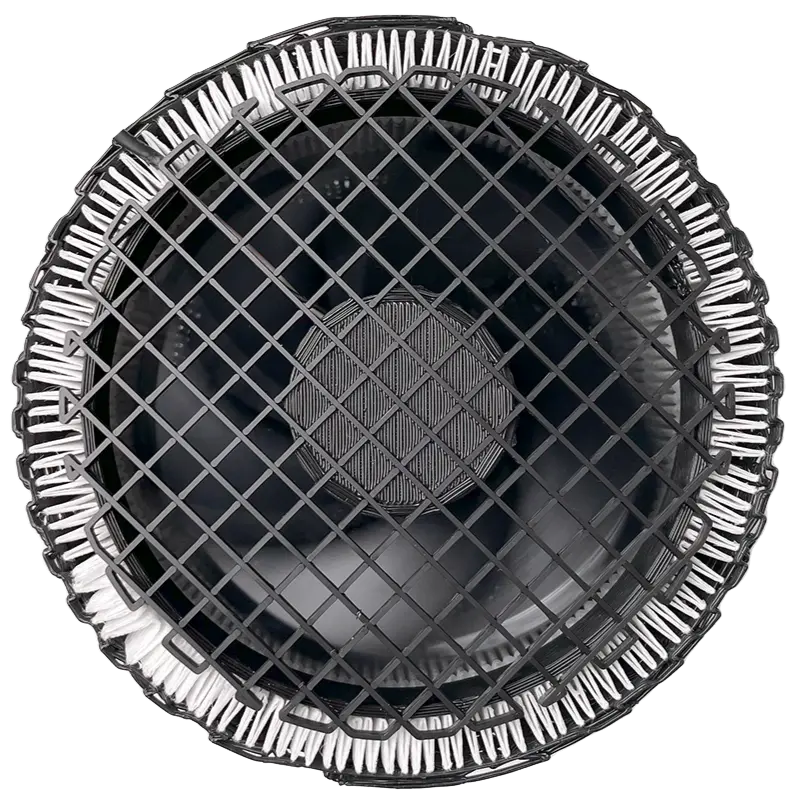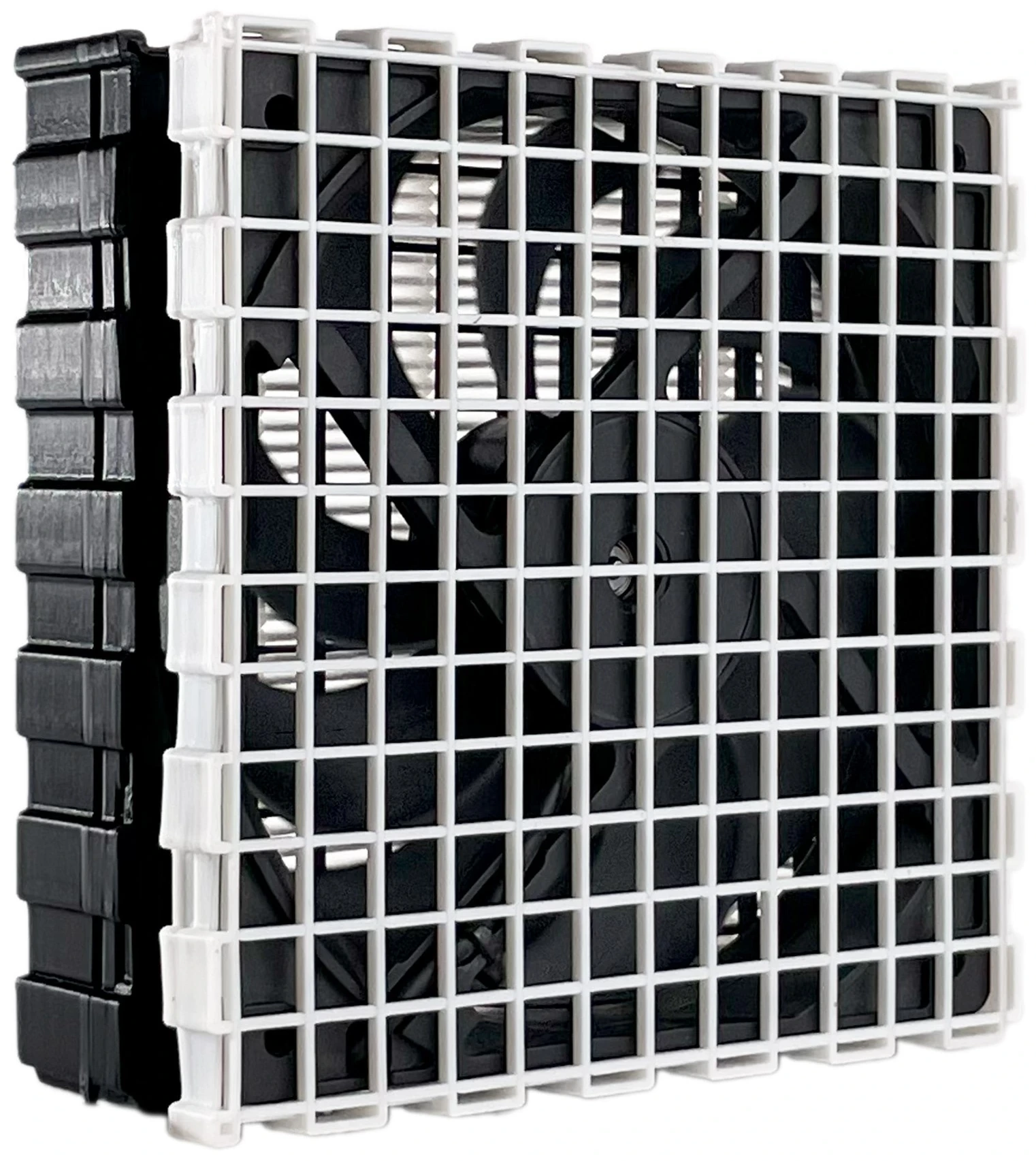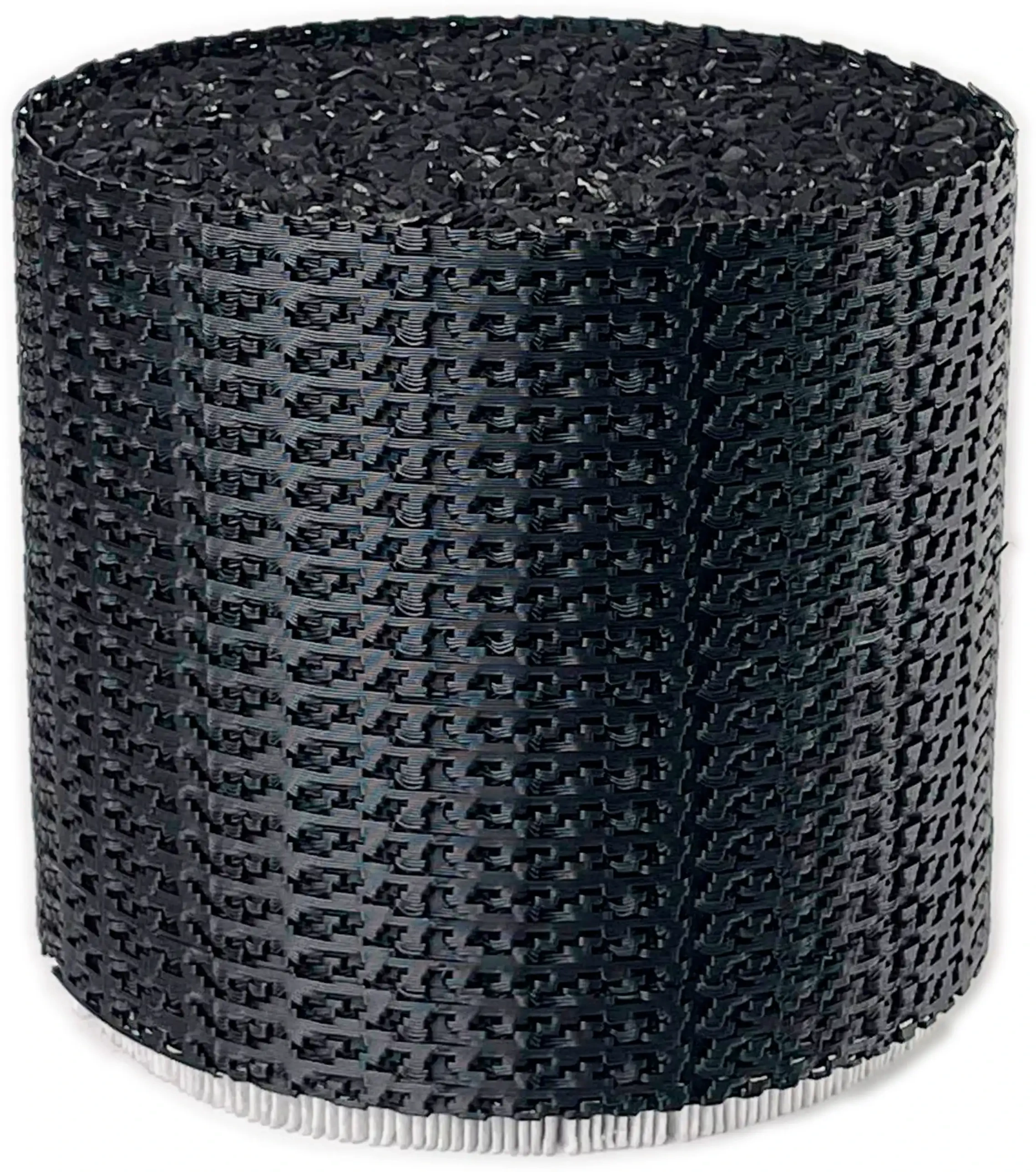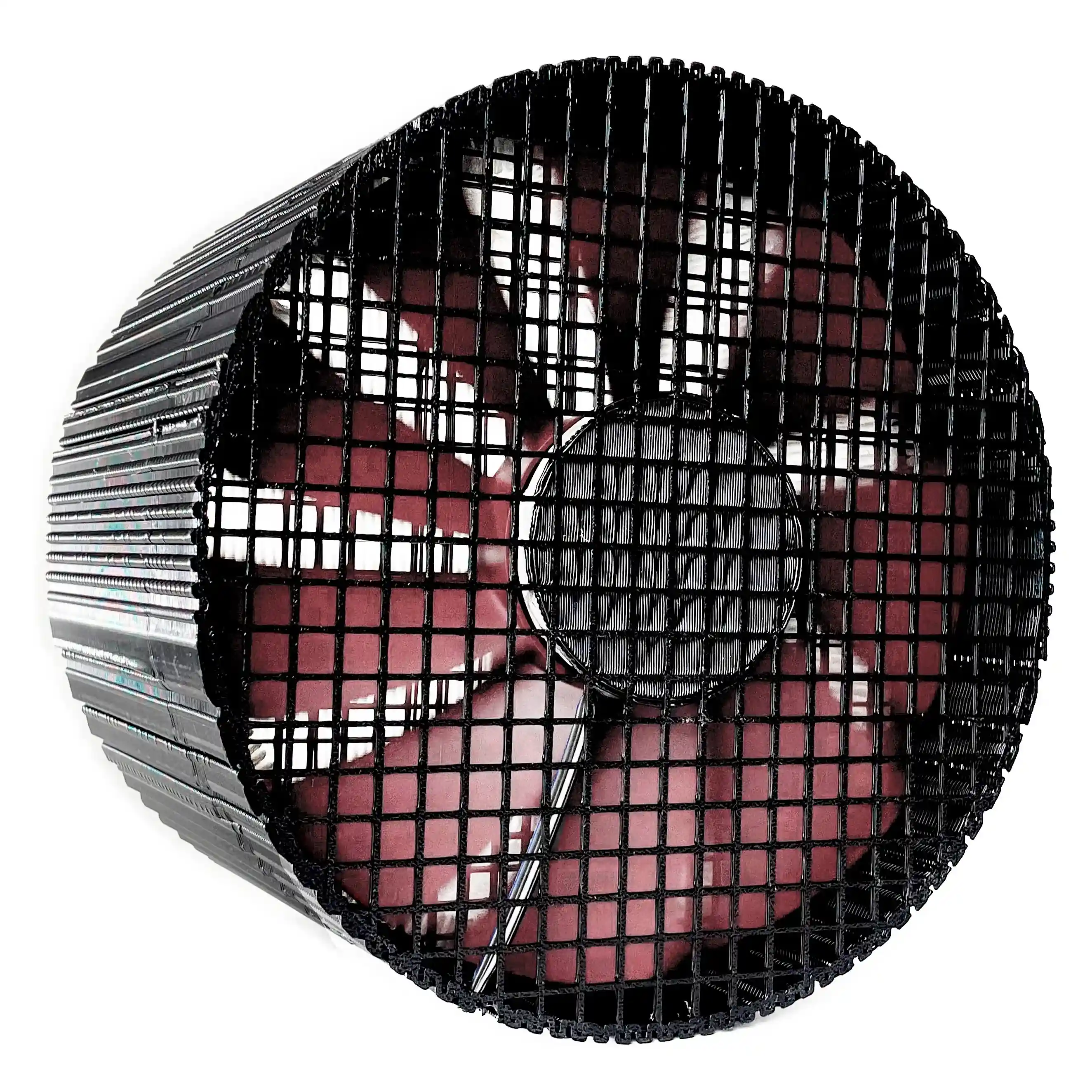
HEPA and activated carbon are often mentioned together, but they are not interchangeable. A HEPA-style sheet is mainly about catching particles. Activated carbon is mainly about adsorption: odor molecules and some VOC-related smells need contact with carbon media instead of only passing through a fine sheet.
That means a printed purifier should start with the problem. Dust, visible particles and workshop debris point toward a particle filter. Odor, smoke smell or resin-style smells point toward carbon, but carbon also needs enough media and enough contact time to do anything meaningful.
The printed frame matters because it controls where the air can go. If air can leak around the filter, the design becomes a fan in a nice shell. The body has to make the easy path go through the filter, not around it.
For HEPA sheets, the practical maker question is often sourcing and replacement. Frameless HEPA sheets can be cut to shape, but the design still needs a sane way to remove the old sheet and install the new one without destroying the purifier body.
For activated carbon, the practical question is containment and airflow resistance. Granular carbon needs to stay in place, and the fan needs to move air slowly enough for useful contact without being choked completely.
That is why River purifier copy should avoid pretending one printed object solves every air problem. The honest promise is better: a clean printed enclosure for a specific fan-and-filter build, with the filter choice explained before printing.
Yomi
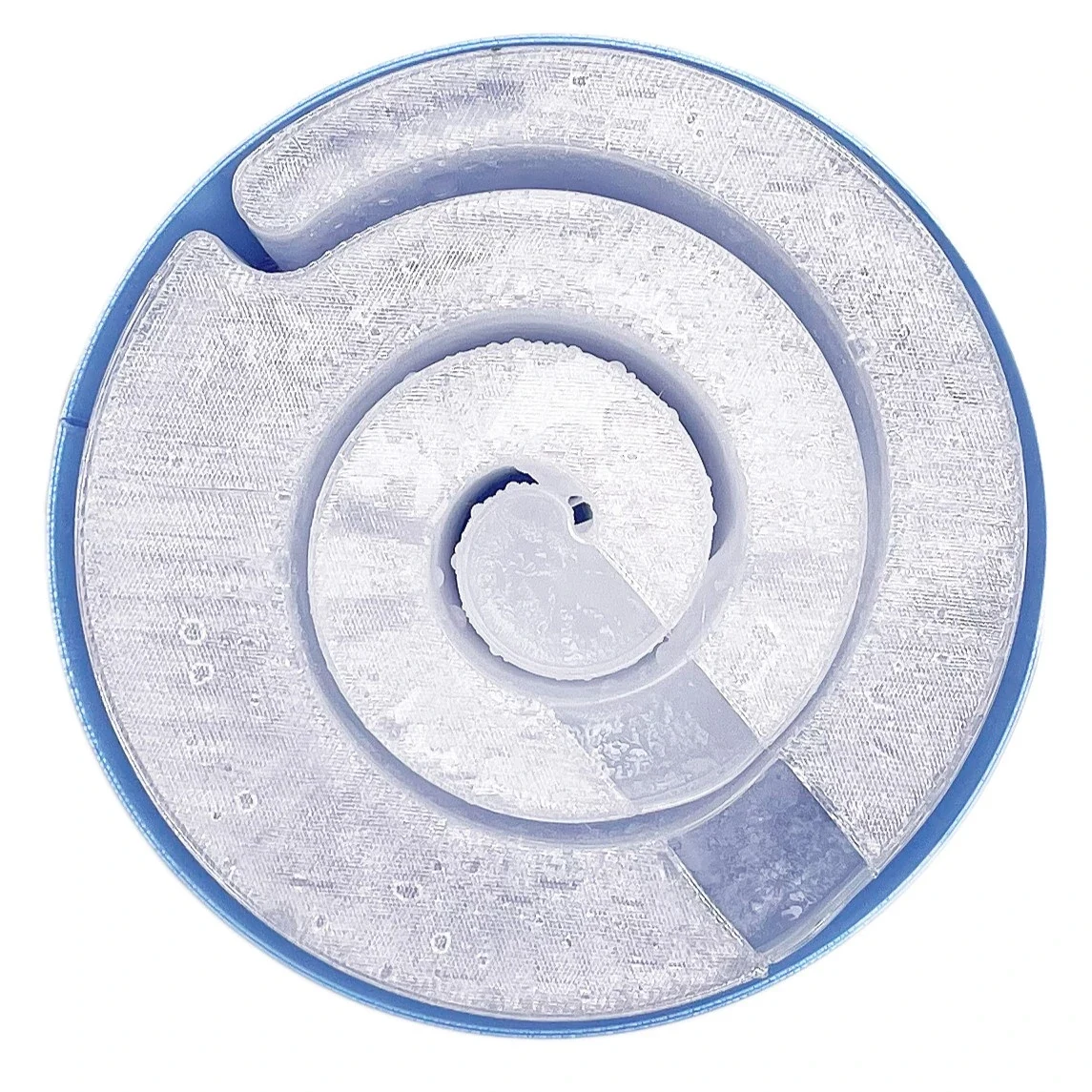
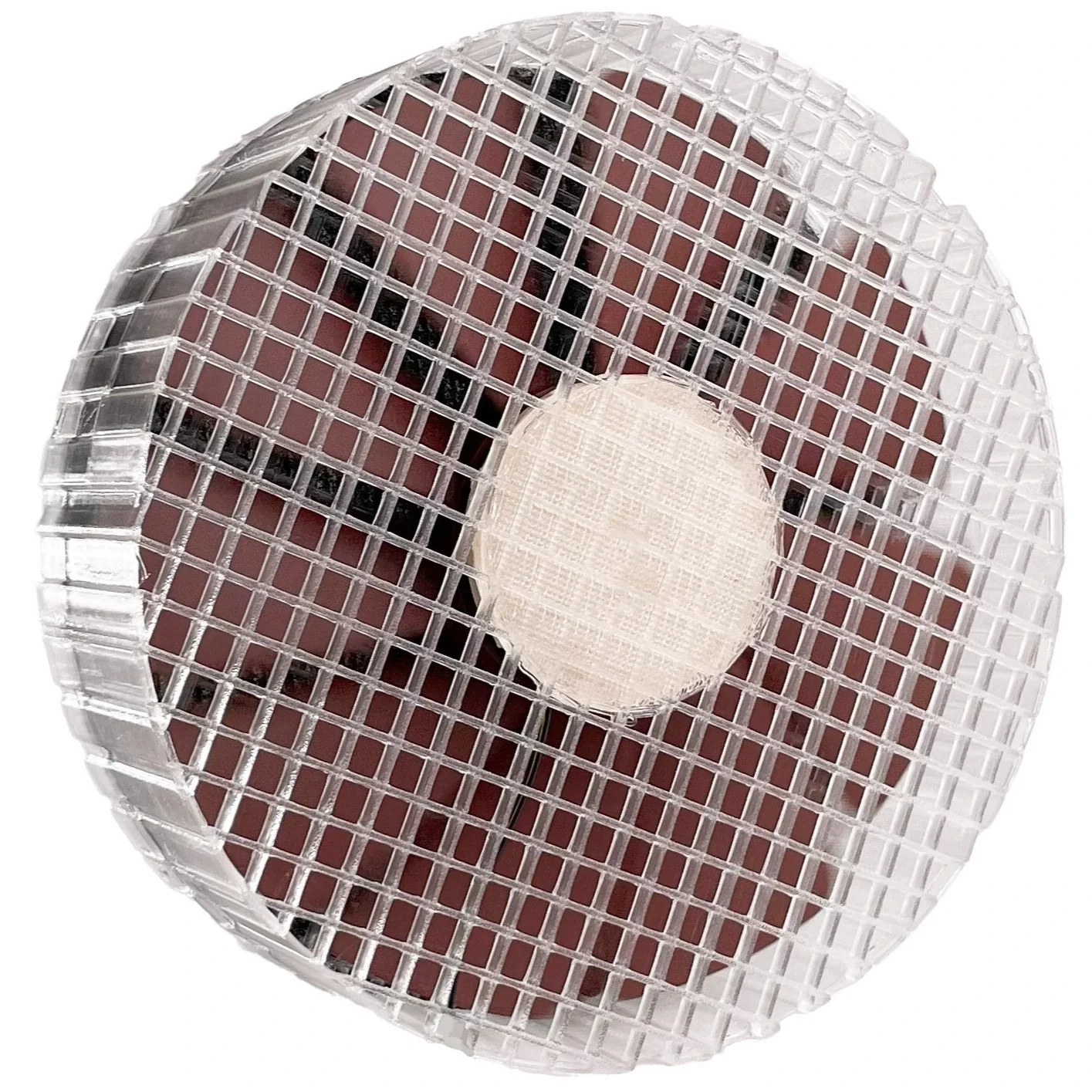
A flat disc you barely notice. Real airflow, quiet operation, and a soft printed silhouette that disappears into a shelf or a coffee table.
View design