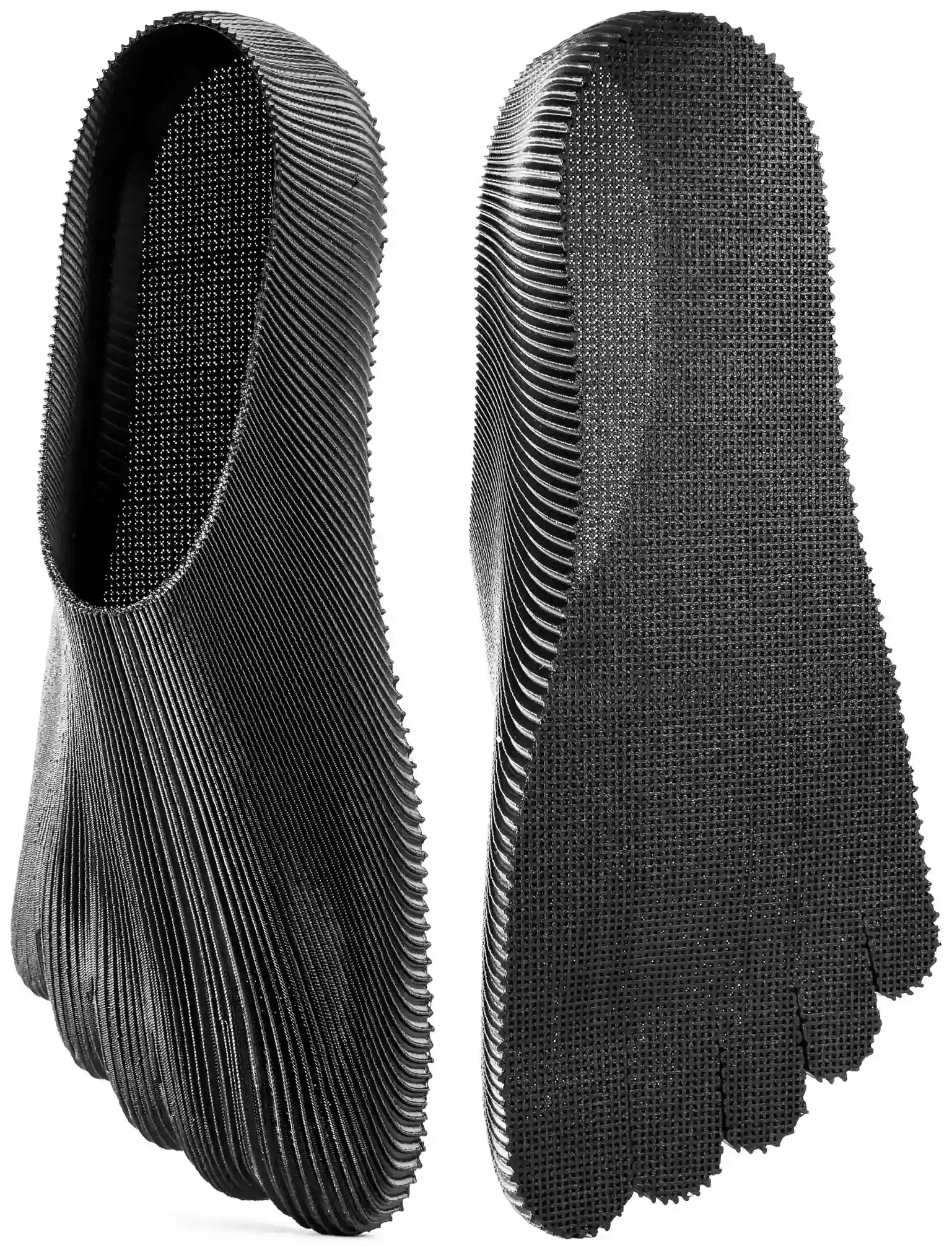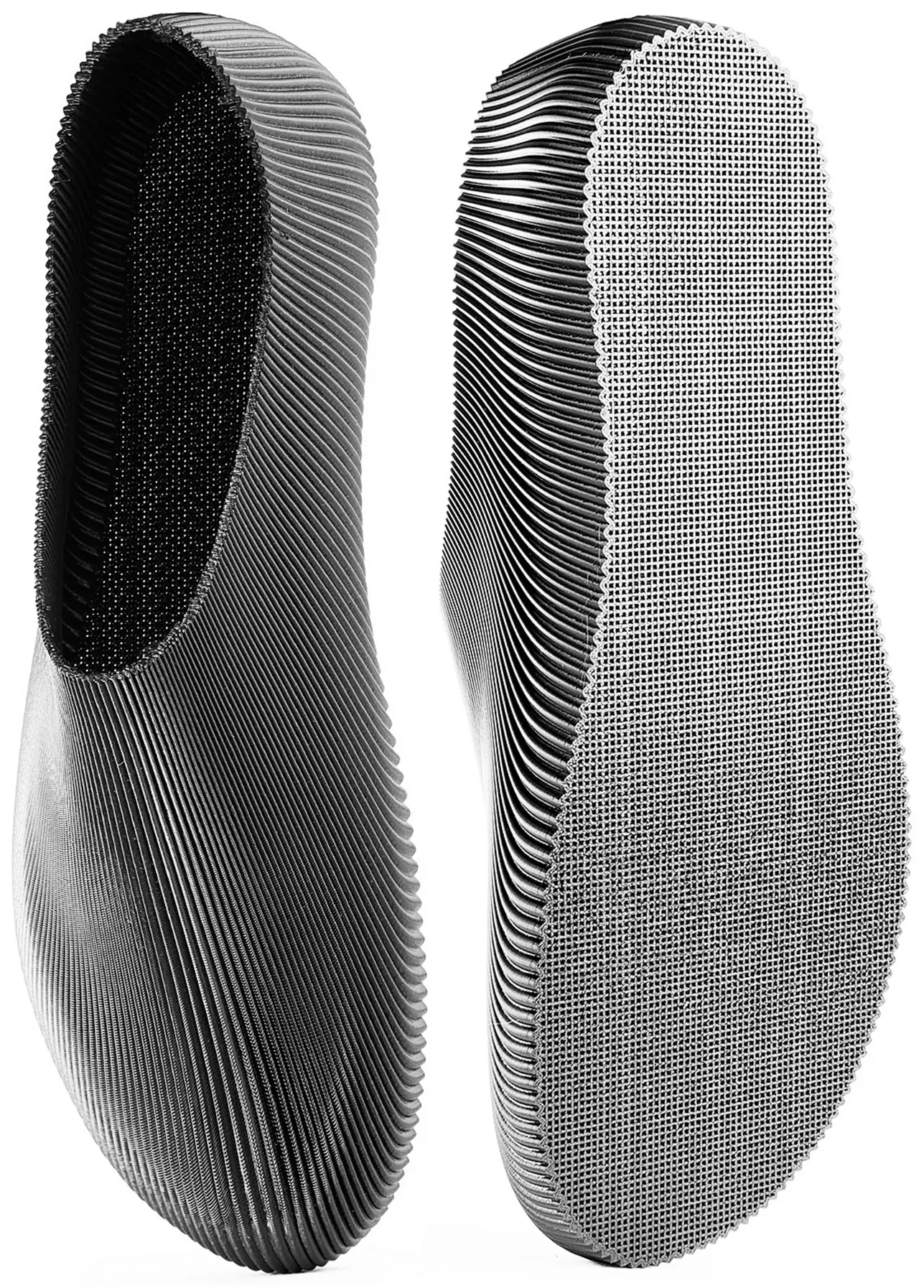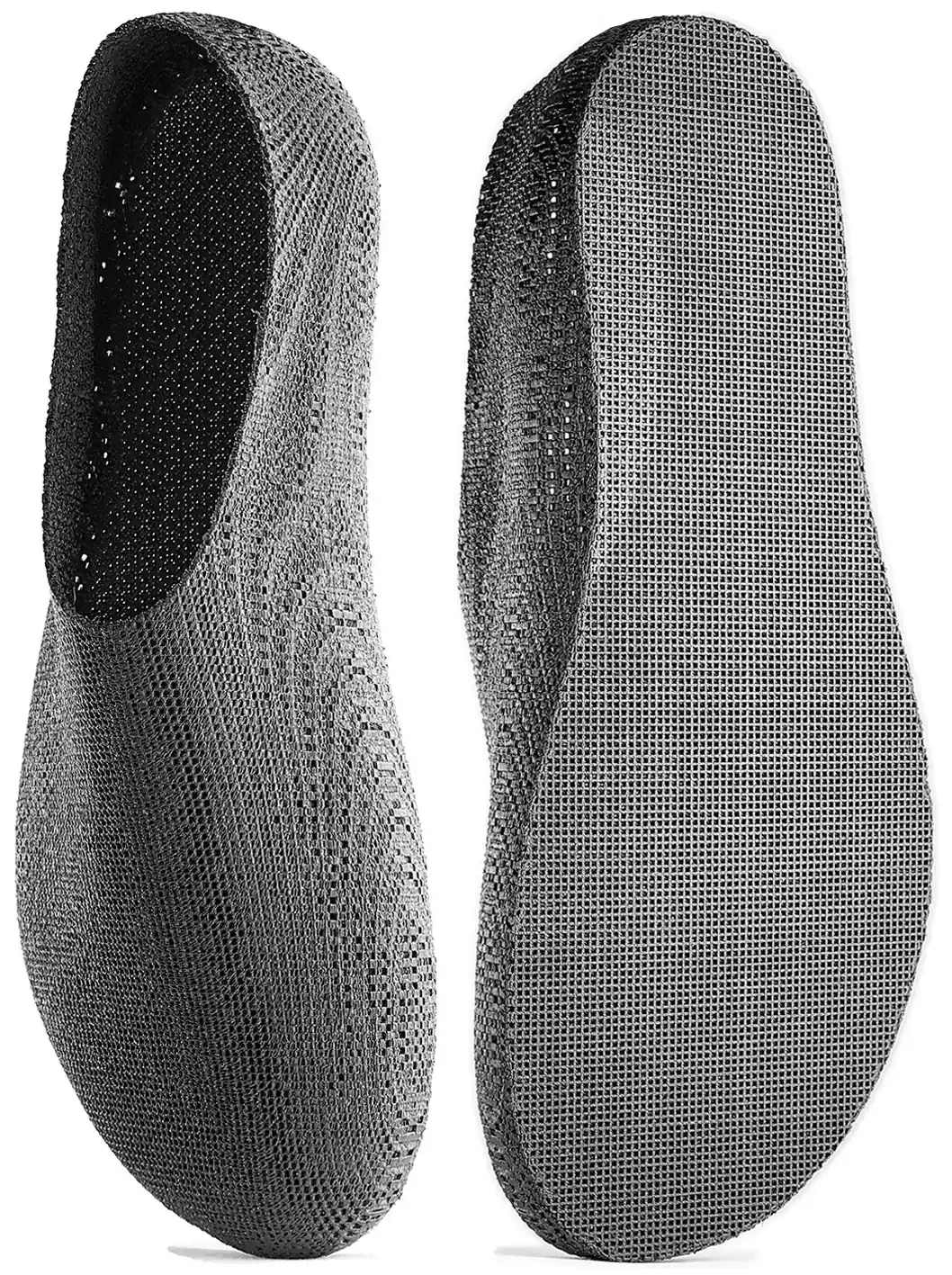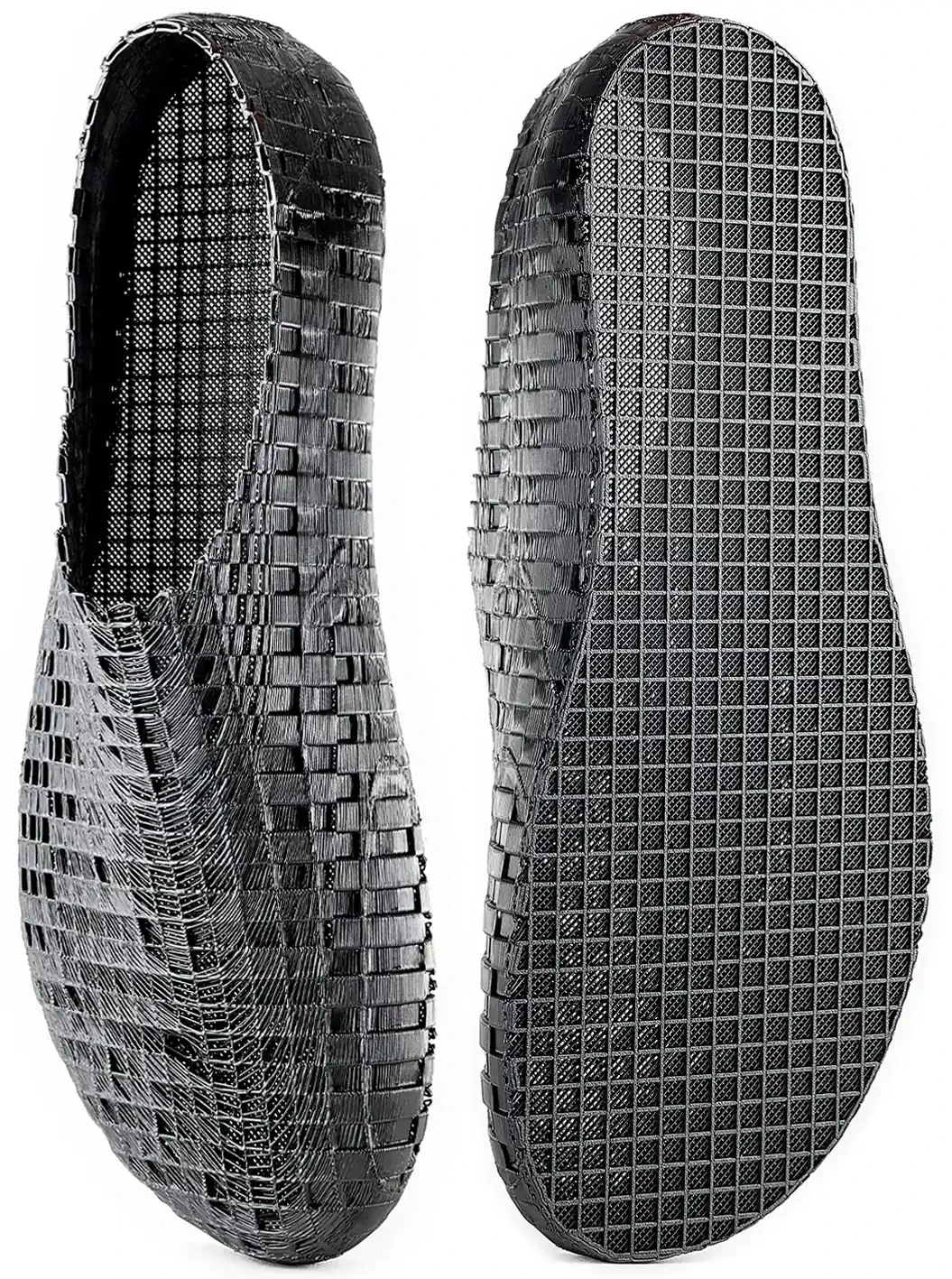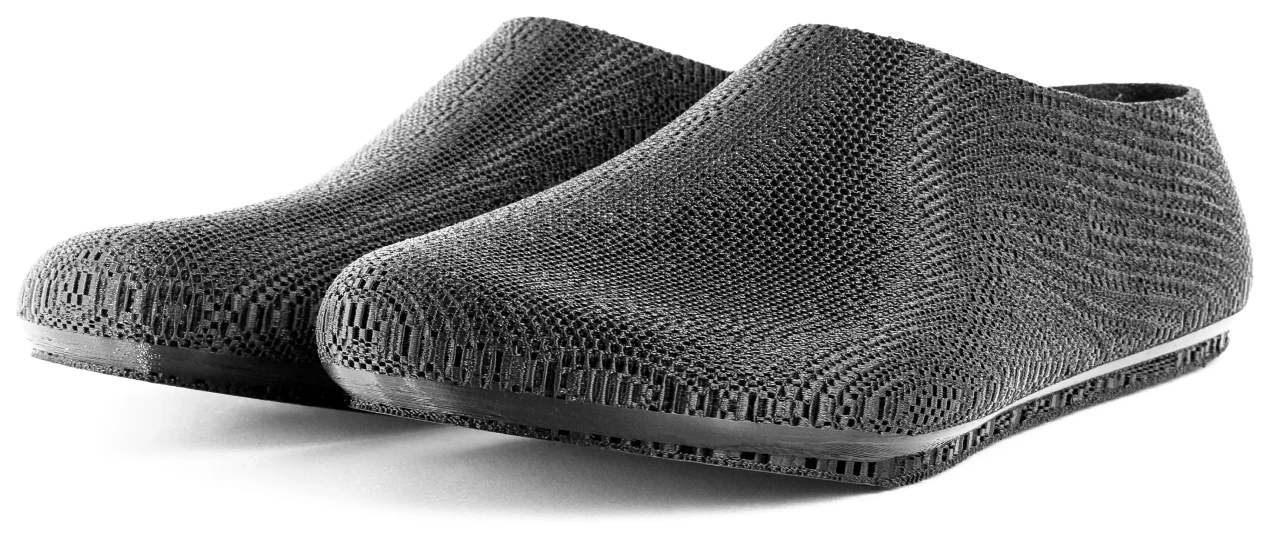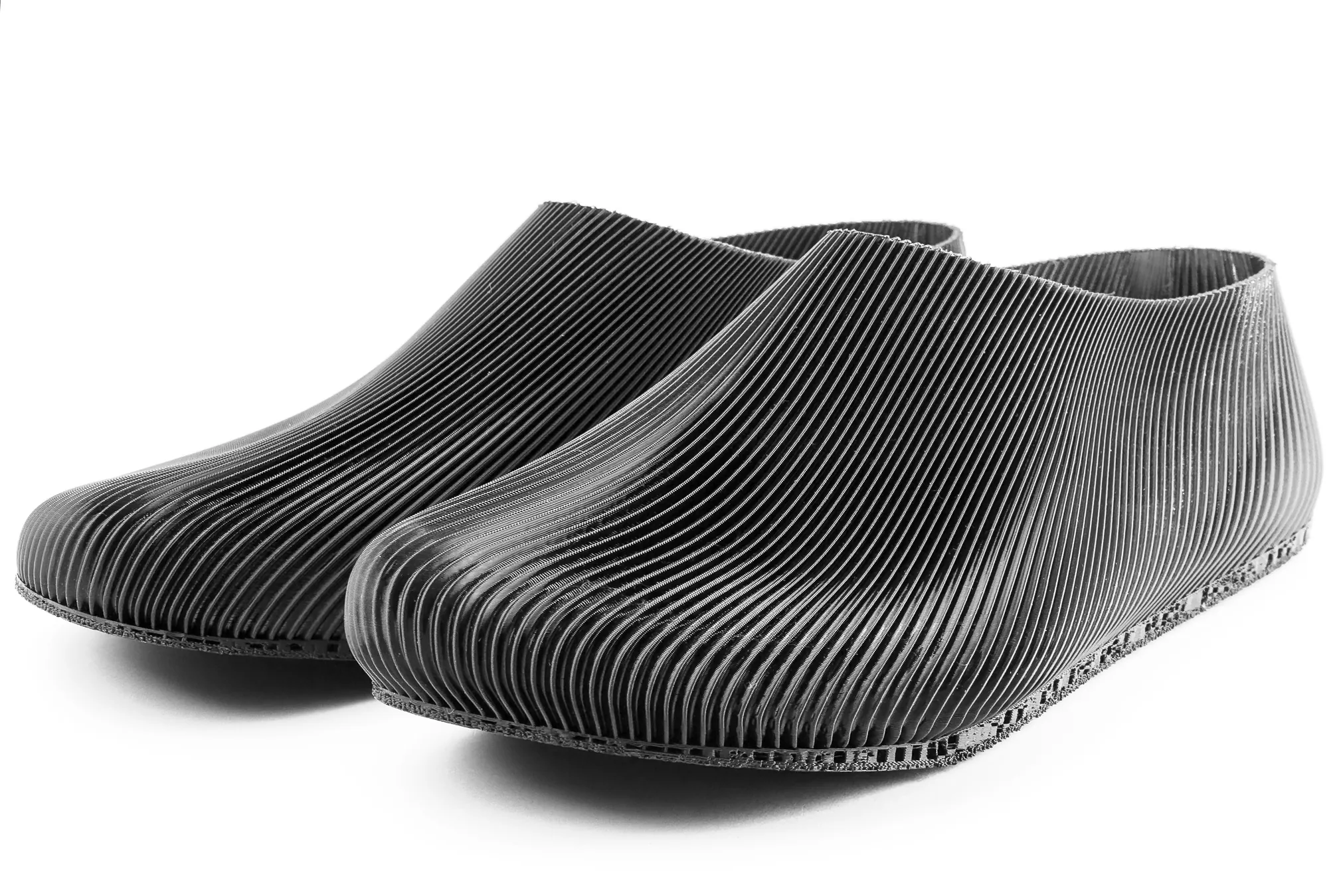
G0 belongs to the same barefoot family as Tora, G1 and the other flat-bottom River shoes: same kind of base, same broad grid logic, same idea of a flexible TPU structure shaped around the foot.
The difference is how the shoe is placed for printing. G0 prints at 45 degrees with the toe pointing down. That changes how the same slicing pattern travels across the model, so the finished structure reads more closed than Tora or G1.
That is why G0 can share the same pattern family and still look different. The print angle changes the rhythm on the surface: the grid is not a new decorative idea, but the orientation makes it land on the shoe in another way.
Mirai uses the same grid family too, but the 45 degree orientation is flipped: the toe points up and the back rests on the build plate. The slicing logic is related, but the contact with the plane and the direction of the print make the visible pattern change again.
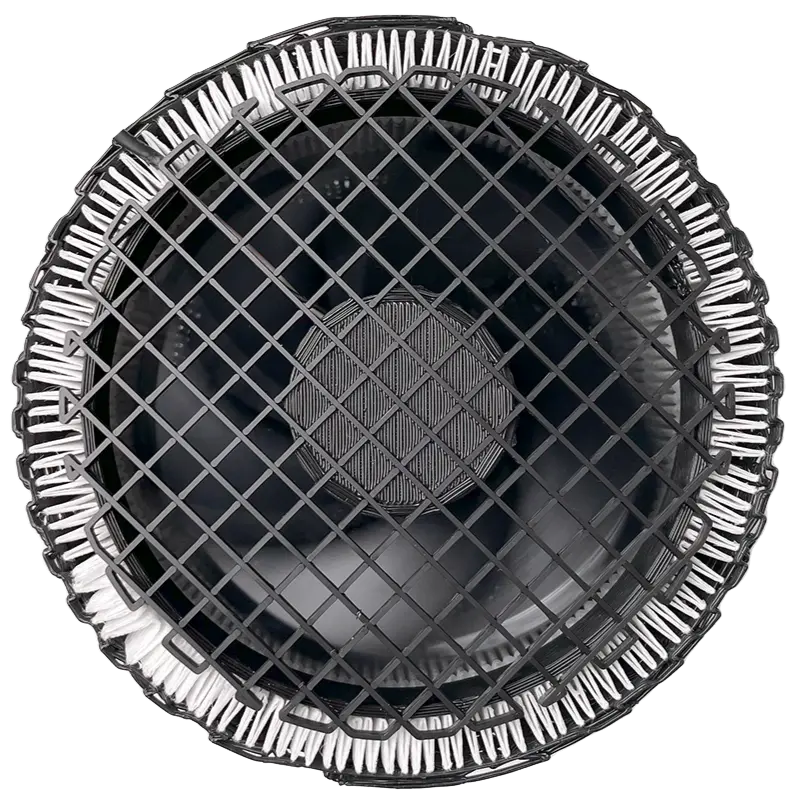
Aspys is another branch of the same grid family. It uses the same broad pattern as G0, G1 and Mirai, but prints vertically instead of lying flat or leaning at 45 degrees.
The thin-soled shoes map back to those barefoot versions. Taka is Tora with a fine sole; Tryton is G0 with a fine sole; Yume is Mirai with a fine sole; E7 is Aspys with a fine sole.
This is one of the useful things about printed footwear. A design is not only the 3D shape on screen. The build-plate angle, the direction of the toe, and the way the slicer builds the structure can all change the final object without changing the basic family it belongs to.
So the practical distinction is simple: Tora and G1 are the easier reference points for the grid family; G0 is the 45 degree, toe-down version with a more closed feel; Mirai is the 45 degree, toe-up version with its own surface rhythm; Aspys is the vertical version.
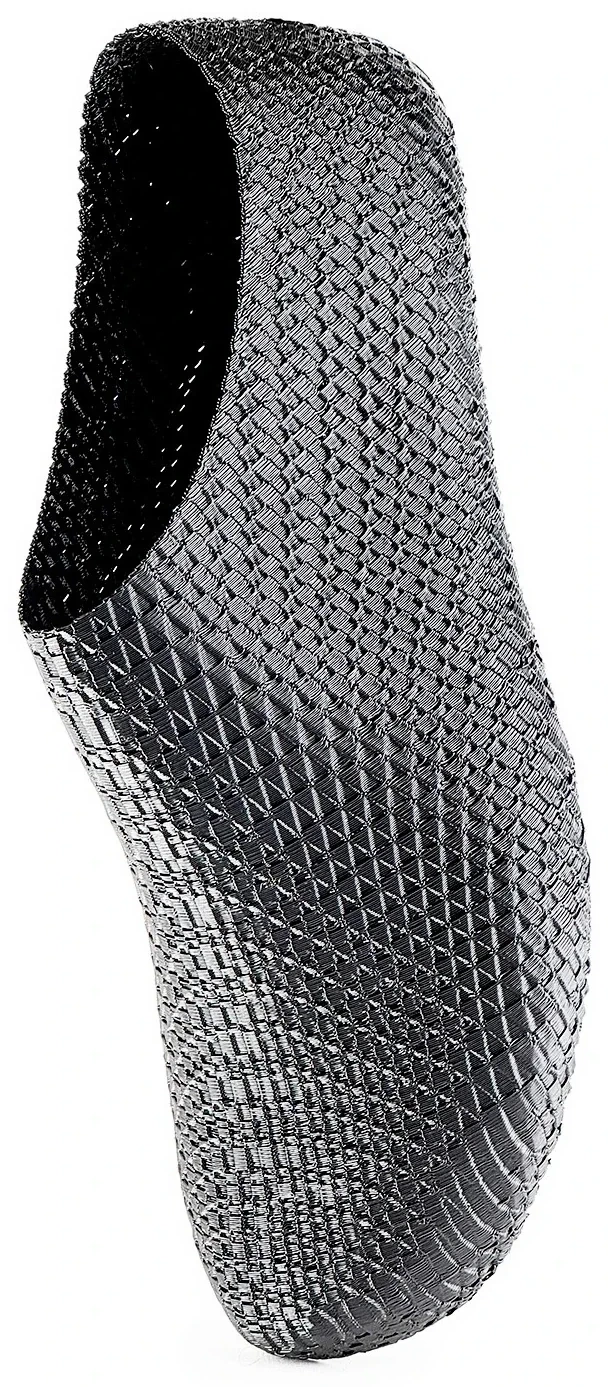
G0
A barefoot River shoe with the same grid pattern and base logic as the other flat-bottom models, printed at 45 degrees with the toe pointing down. That orientation makes the structure a little more closed than Tora or G1 and changes how the same slicing pattern appears on the shoe.
View design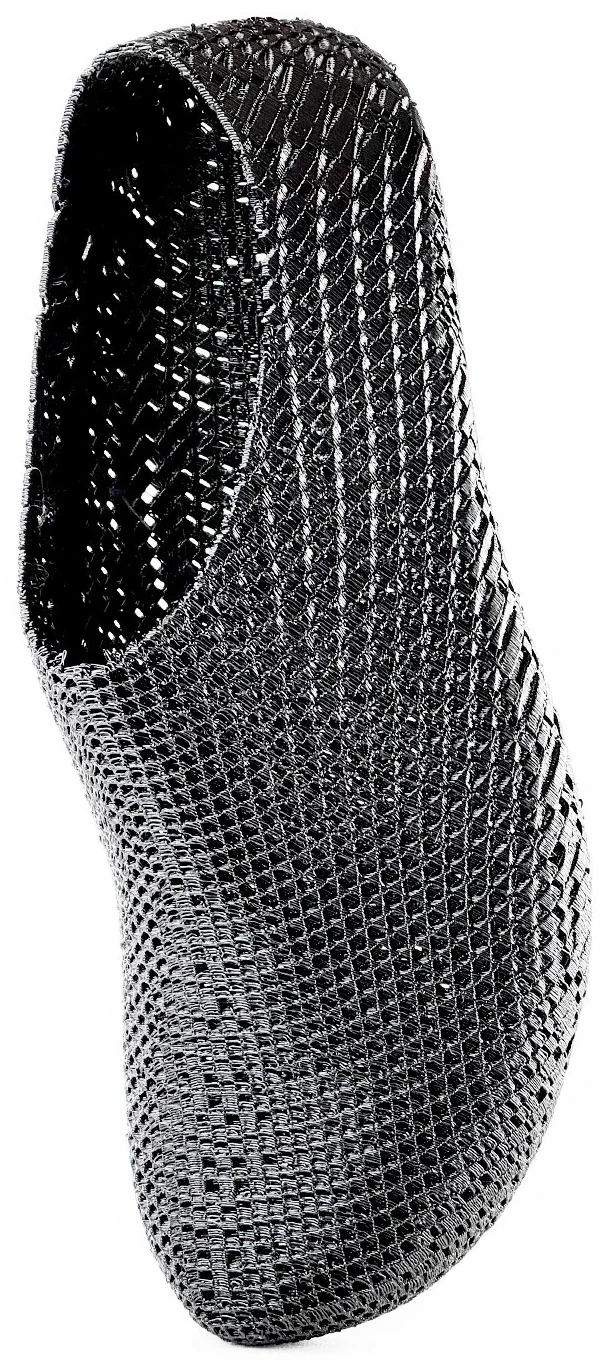
Mirai
A barefoot River shoe using the same grid family as G0 and G1, but printed at 45 degrees with the toe pointing up and the back resting on the build plate. The pattern comes from the same slicing logic, but the orientation gives Mirai its own surface rhythm.
View design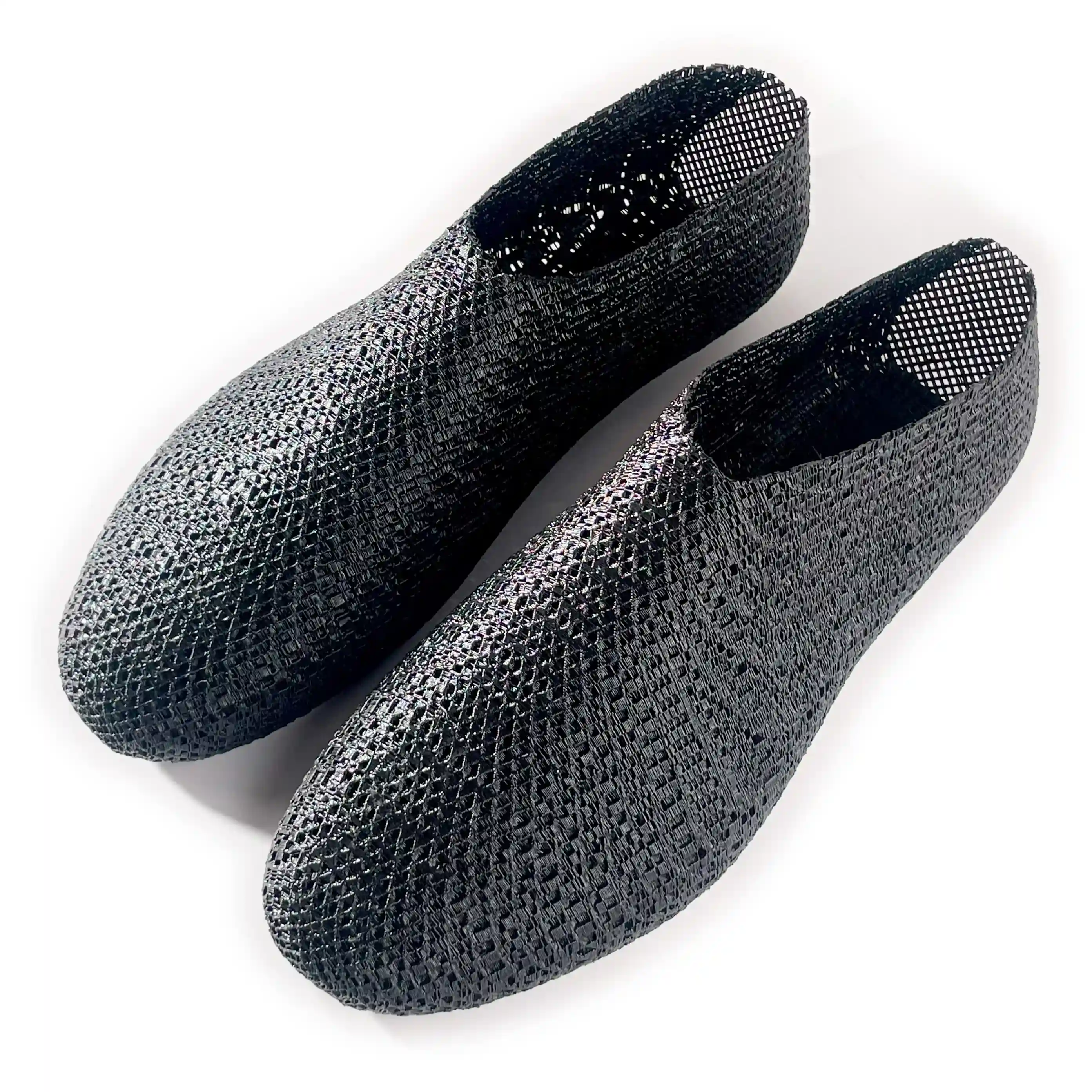
Aspys
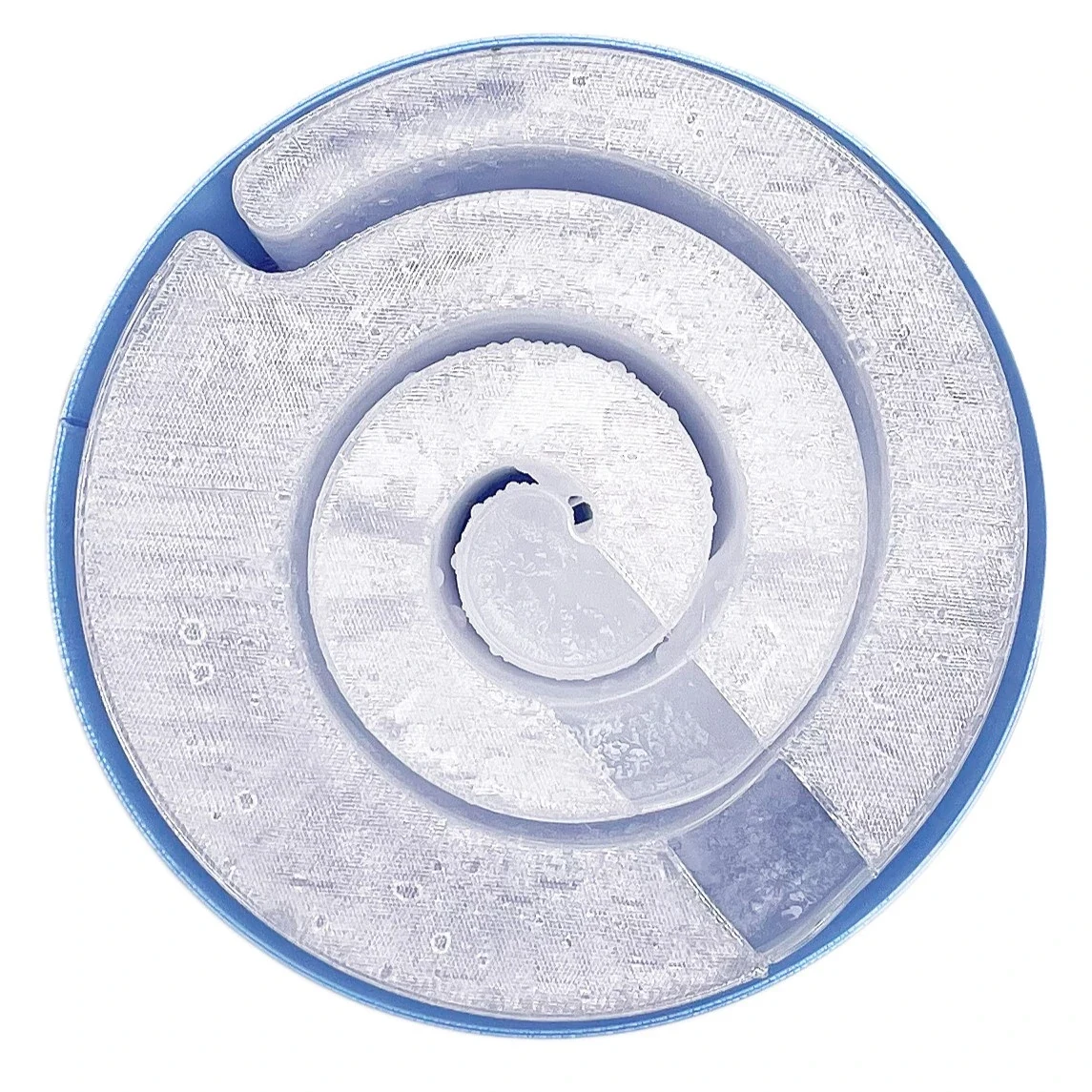
A barefoot River shoe with the same grid family as G0, G1 and Mirai, printed vertically. The two shoes print as a mirrored pair fused at the collar, then are separated with scissors after printing.
View design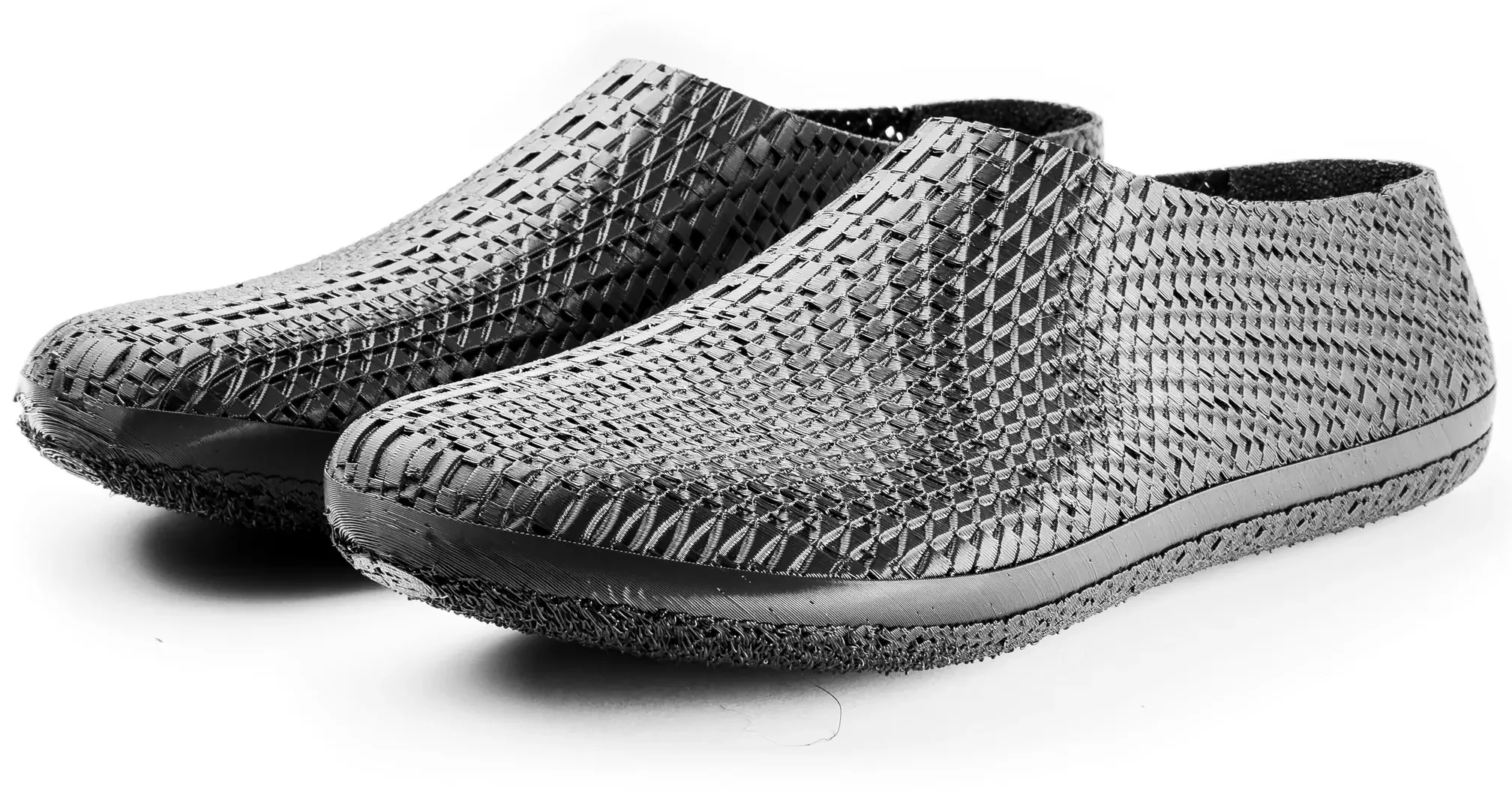
Tryton
The thin-soled version of G0: the same 45 degree, toe-down grid logic with a fine sole added underneath.
View design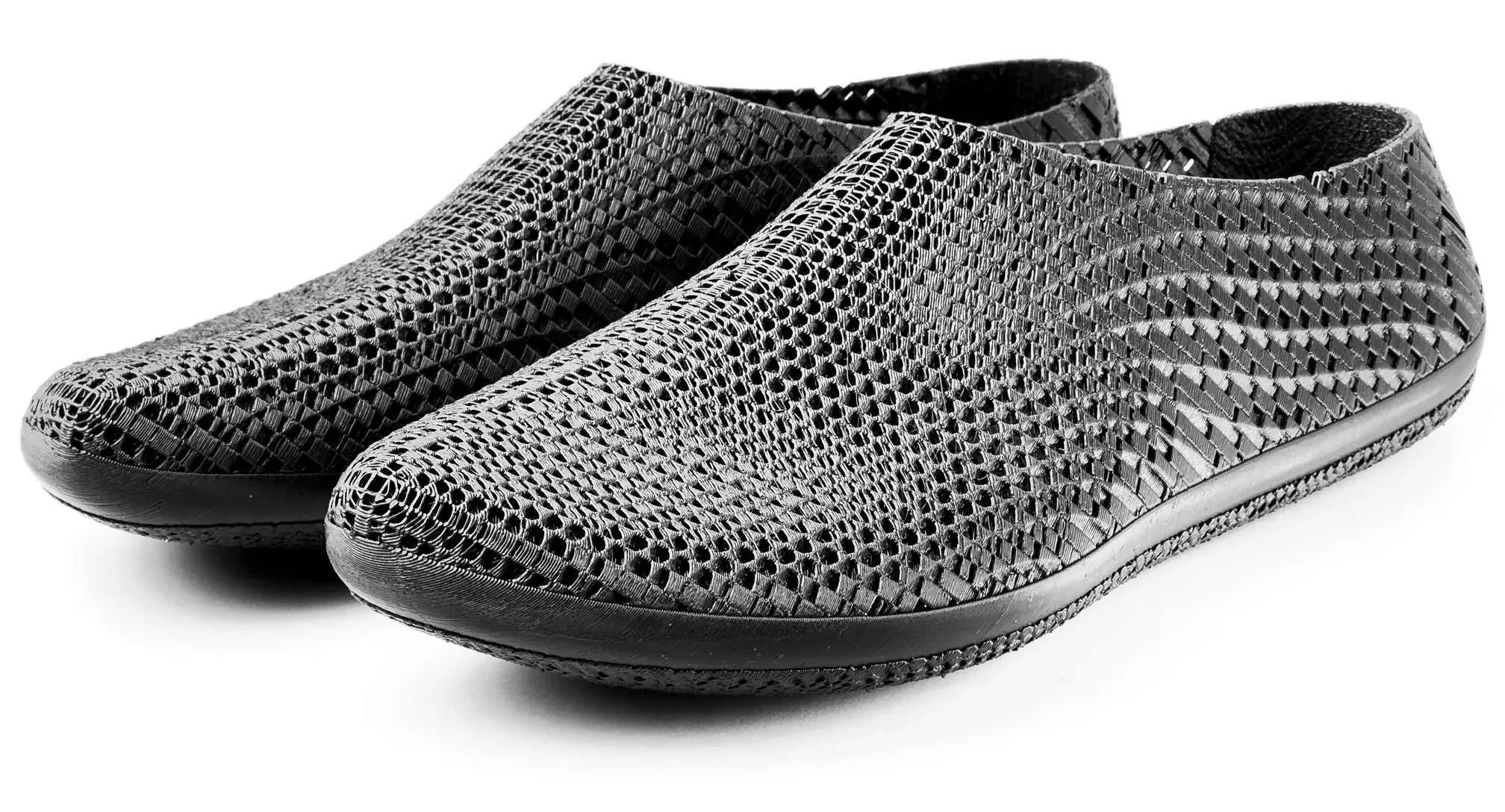
Yume
The thin-soled version of Mirai: the same 45 degree, toe-up grid logic with a fine sole added underneath.
View design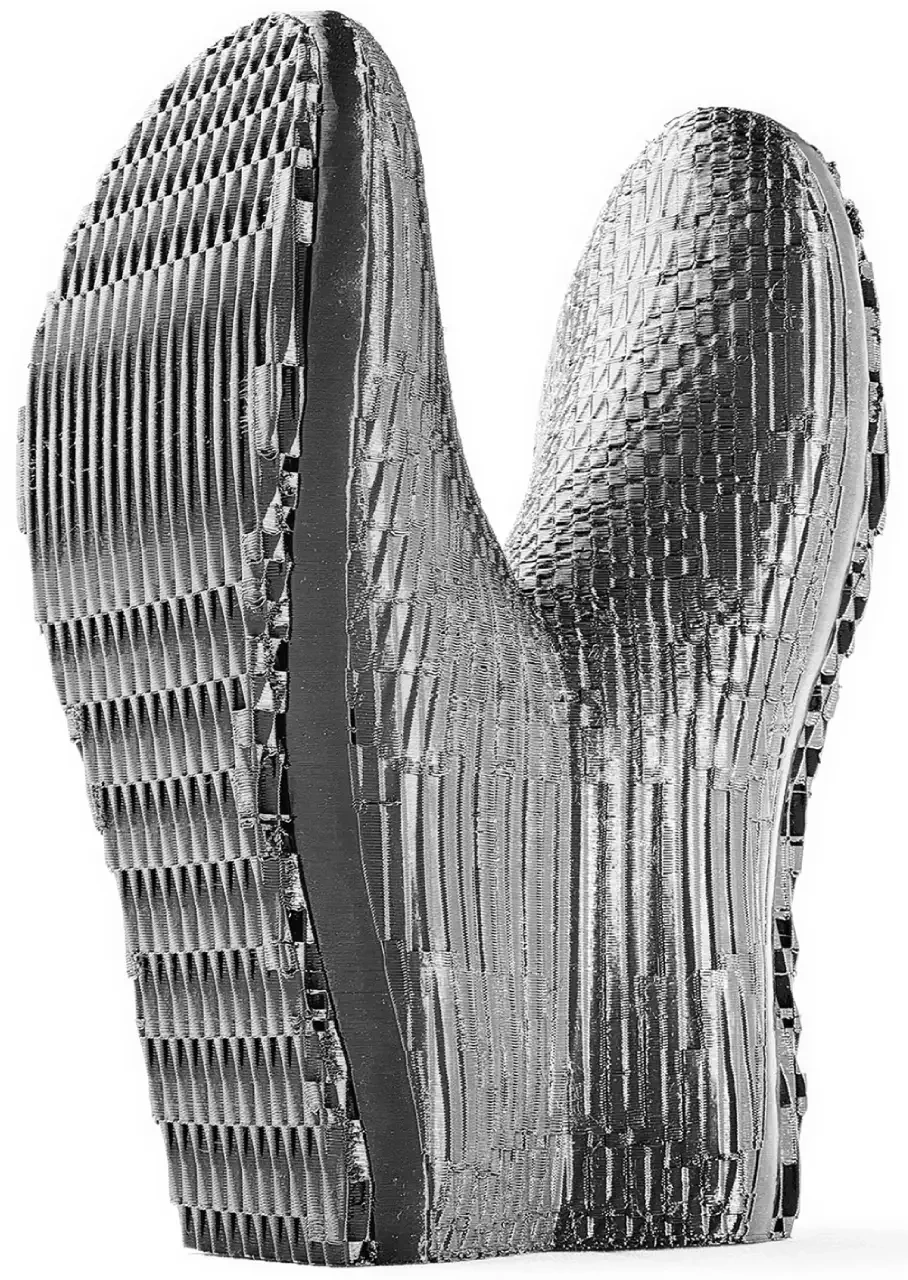
E7
The thin-soled version of Aspys. Like Aspys, E7 prints vertically as a mirrored pair fused at the collar, then the two shoes are separated with scissors after printing.
View design