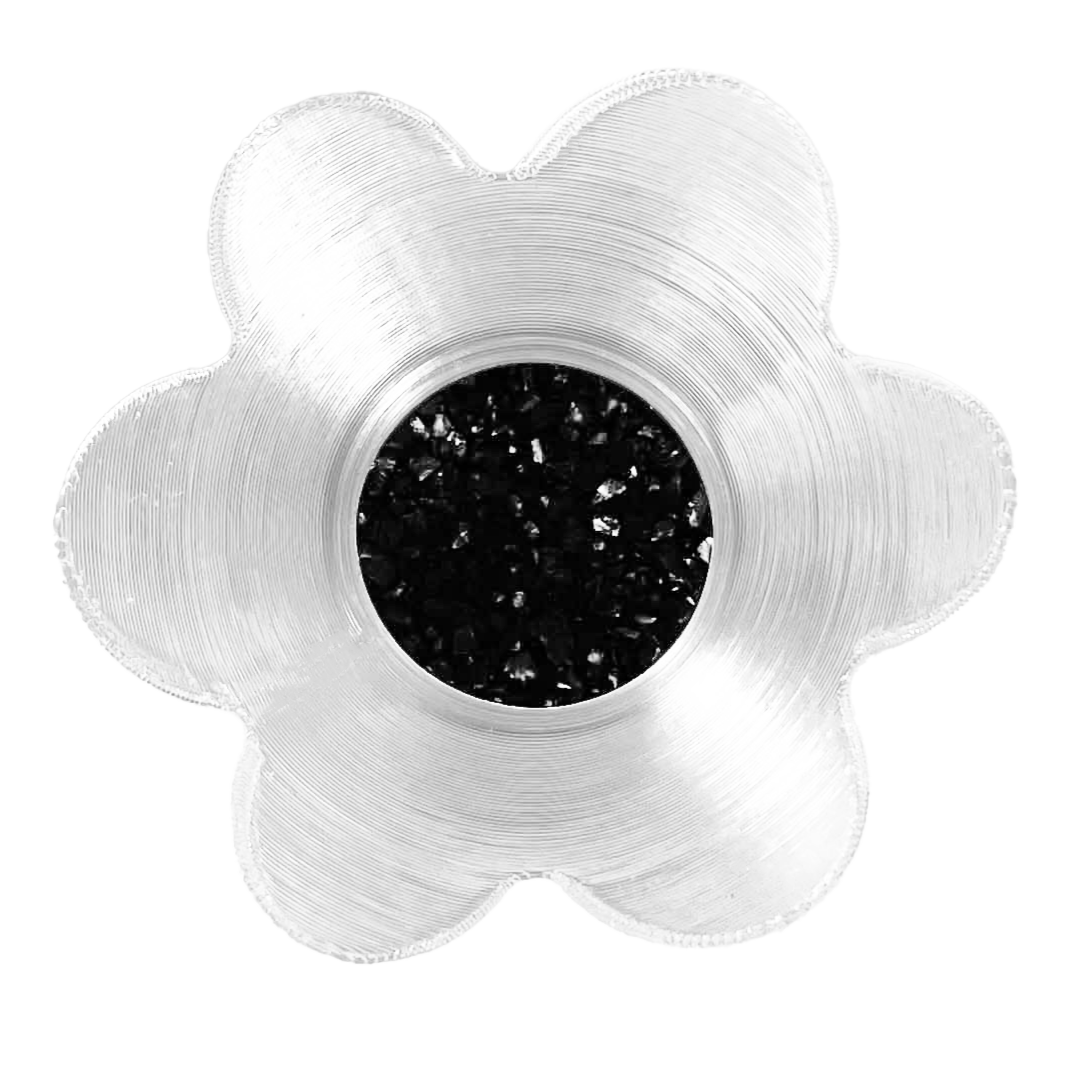
Ice pack air coolers can work, but only when the expectation is personal cooling close to the object. They do not cool a whole room like an air conditioner, because there is no compressor moving heat outside.
The useful effect comes from simple physics: a fan moves room air around a frozen pack or bottle, and the air near the outlet can feel cooler while the ice is still cold. Distance matters. The effect is strongest at a desk, bedside table or small work area.
Ice mass matters too. A small frozen pack warms faster than a larger one, and the cooler feeling fades as the ice absorbs heat. That is why the honest promise is a cooler breeze for a while, not all-day room control.
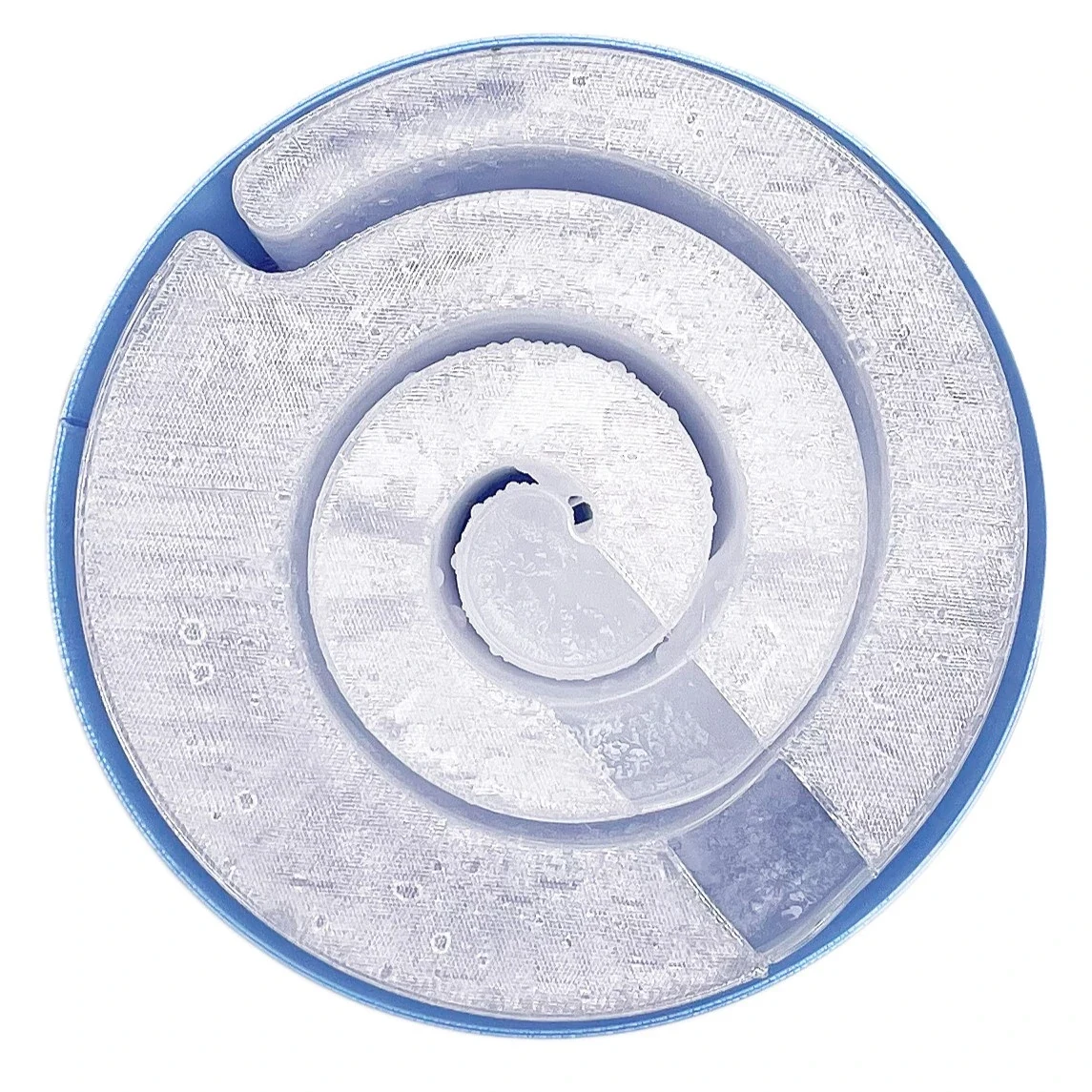
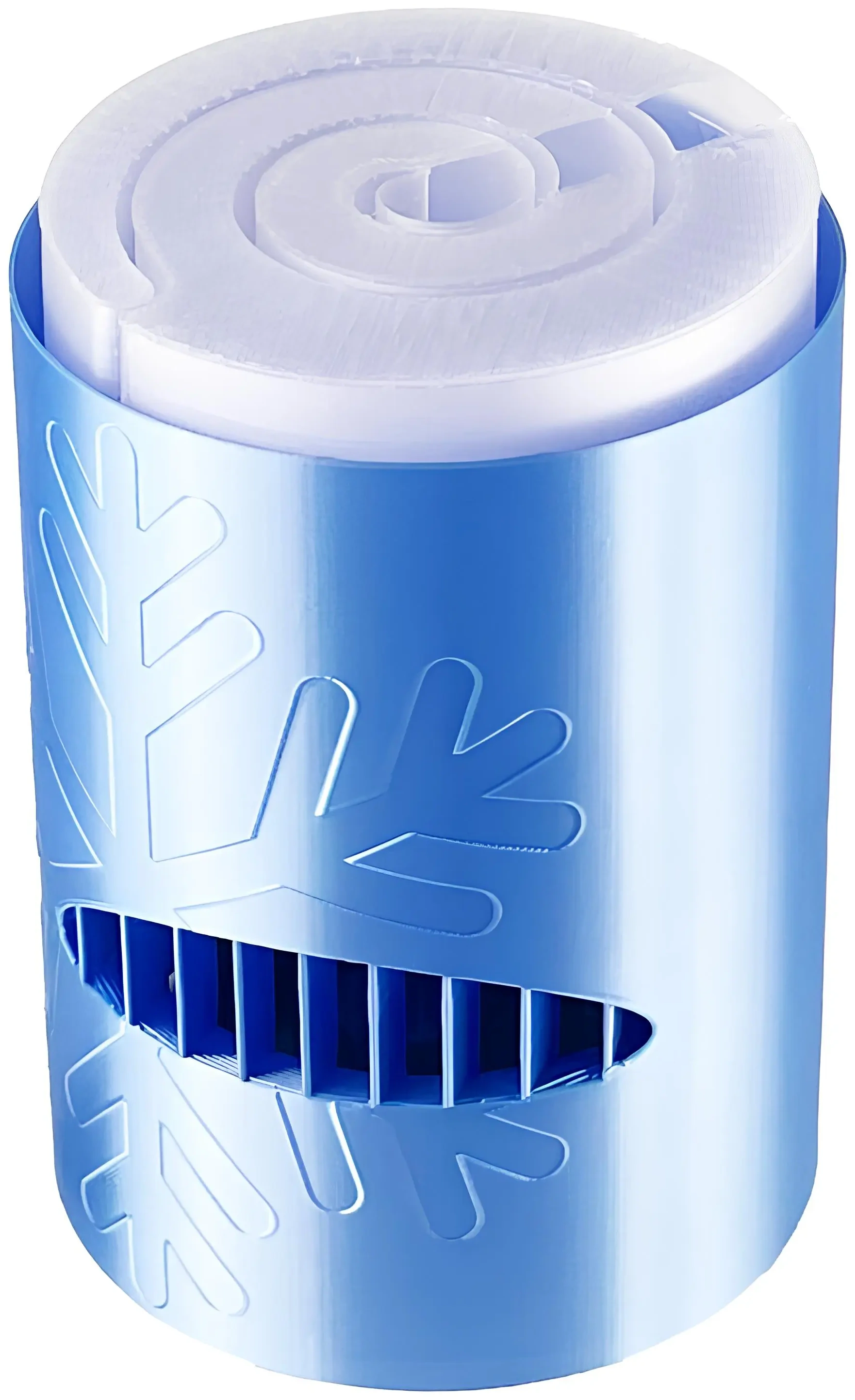
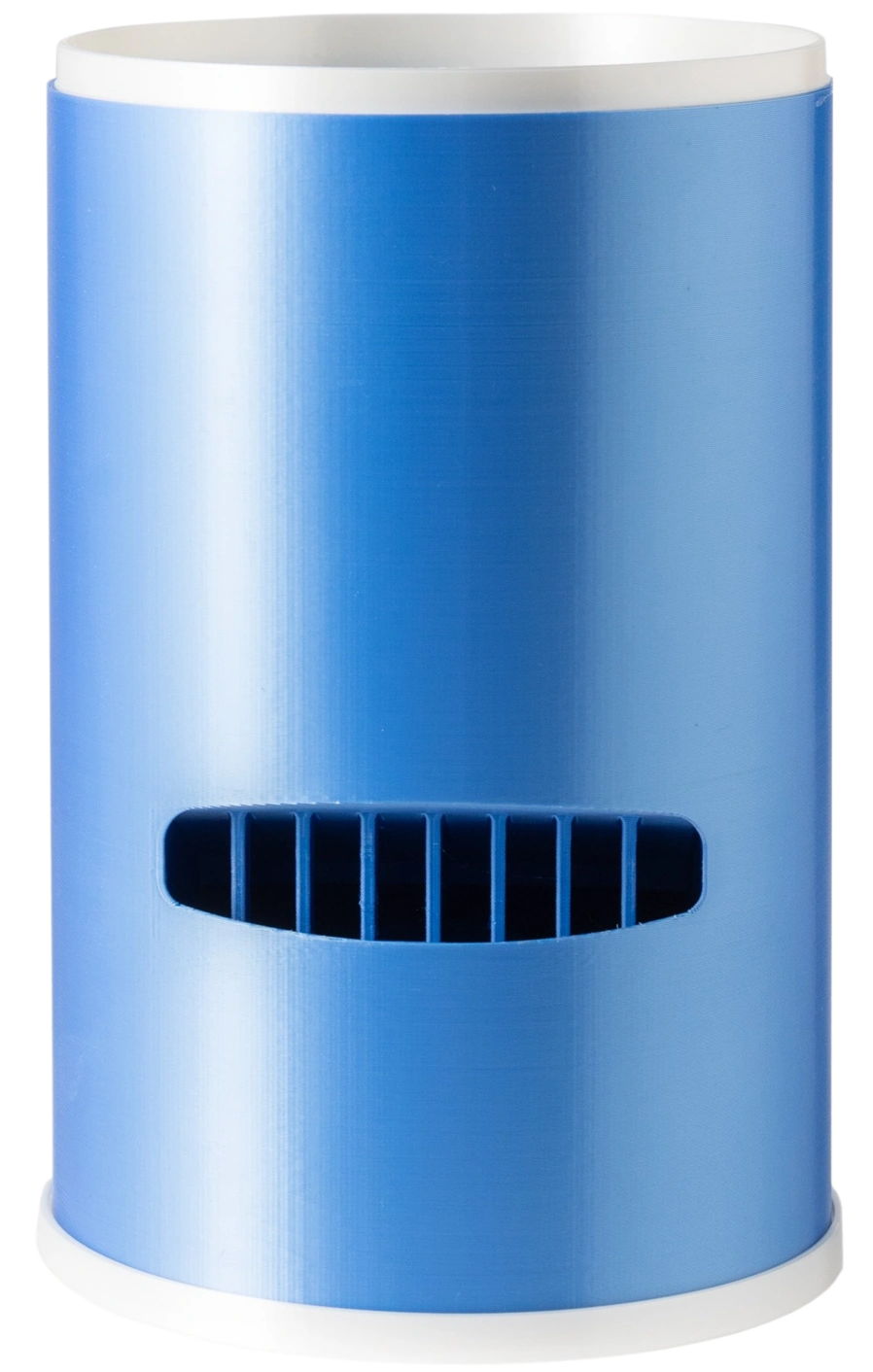
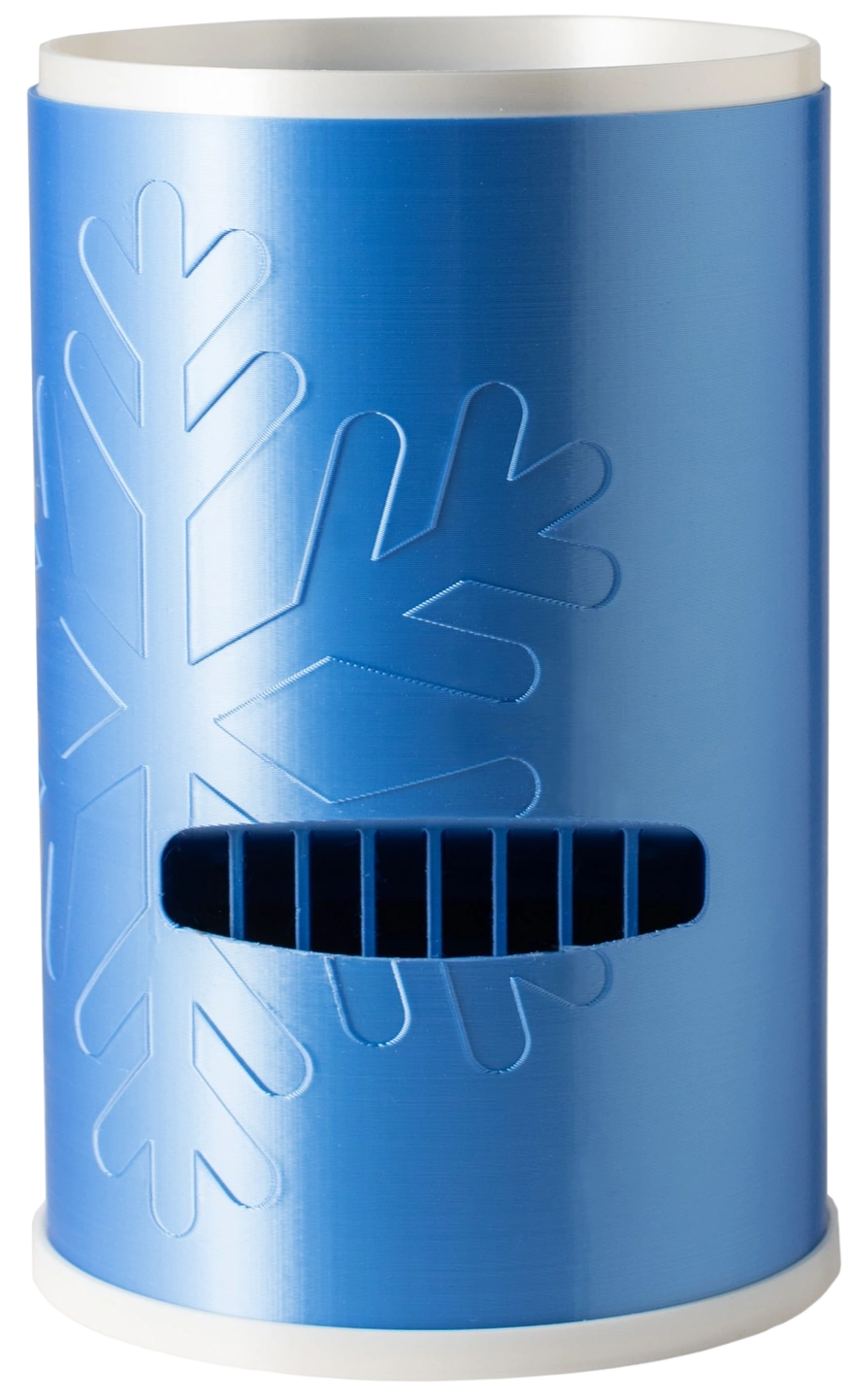
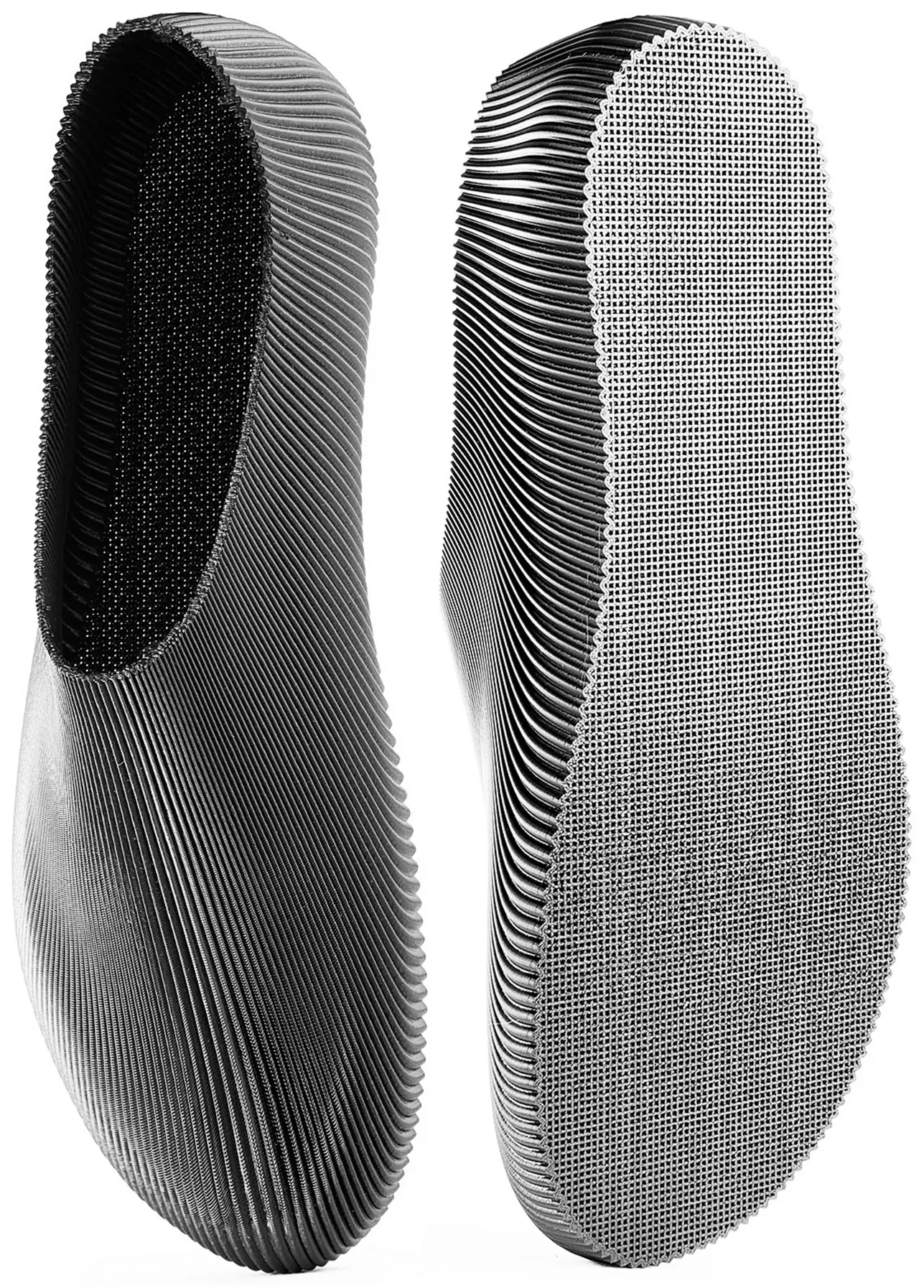
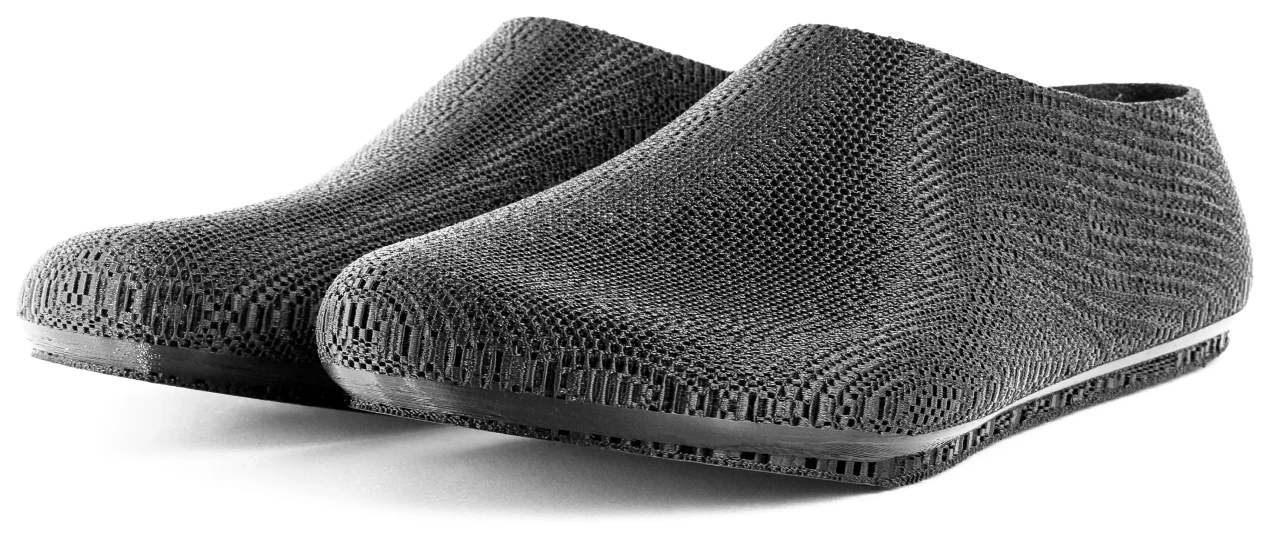
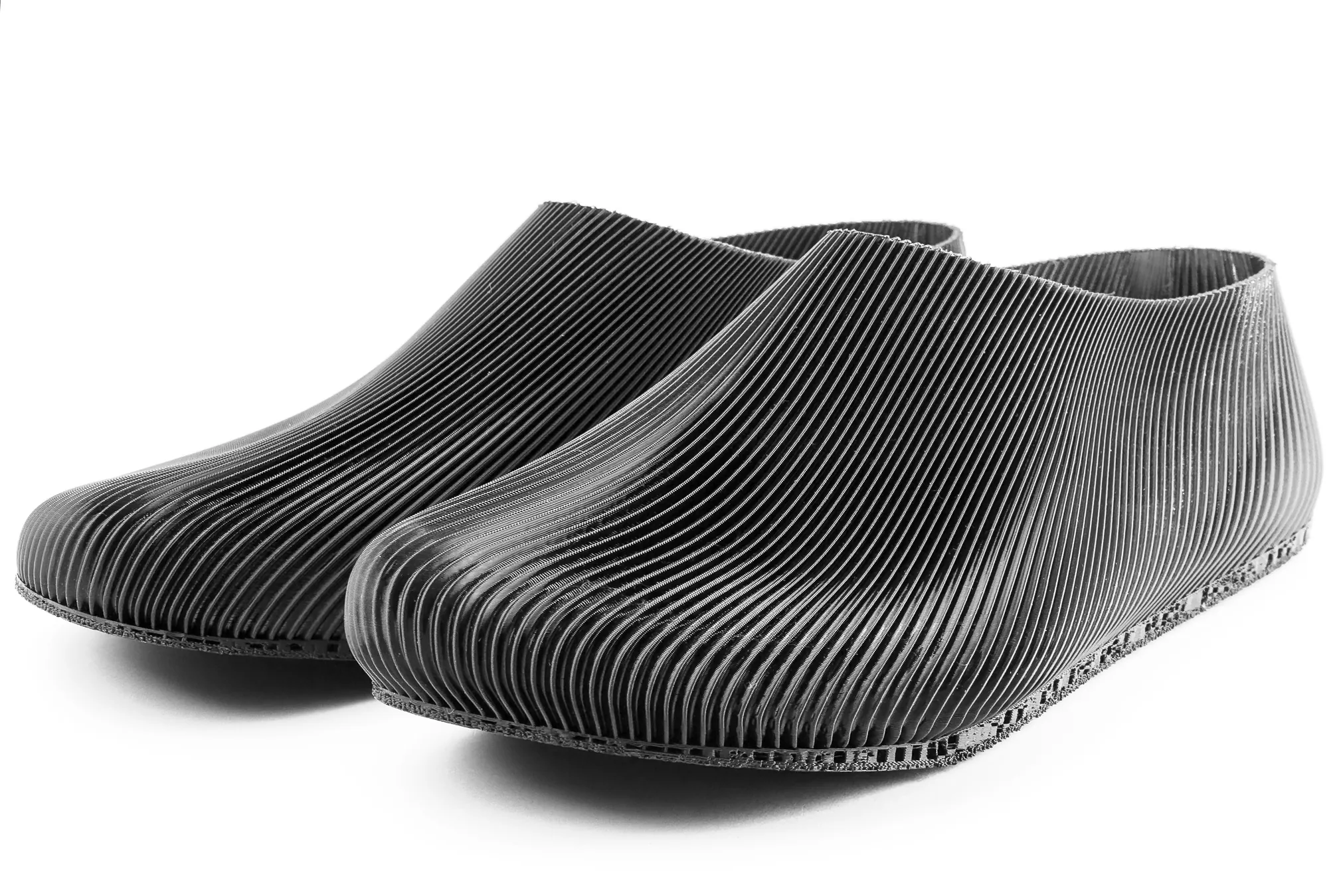
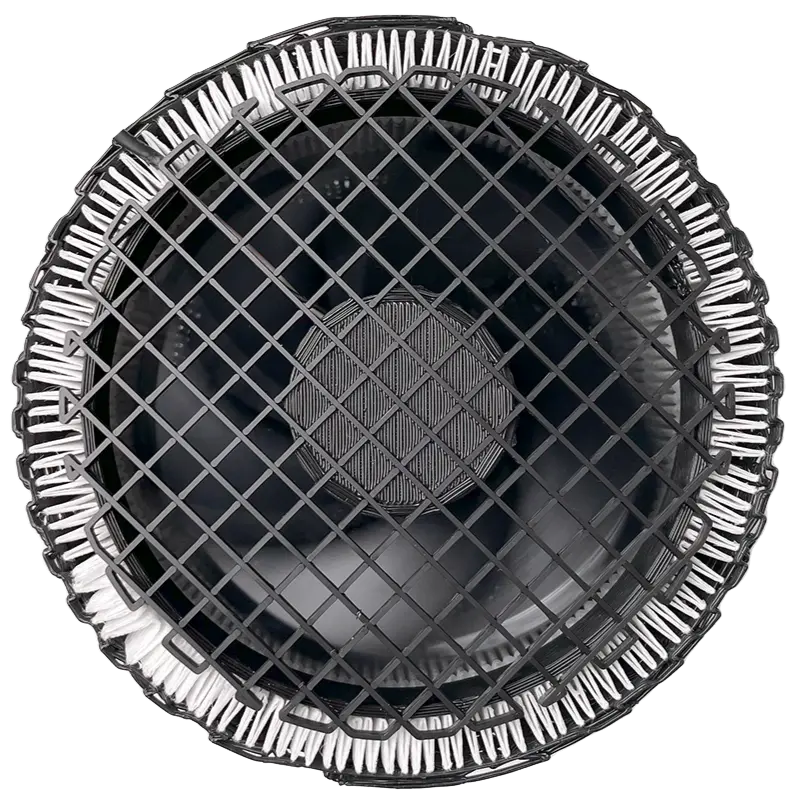
Airflow has to be guided. A fan pointed randomly at a frozen bottle can help a little, but a printed body can make the setup cleaner: the cold core stays in place, the air path is more deliberate and the object is easier to use every day.
Humidity and condensation should be treated normally. Frozen water can create moisture on the pack or inside the body, so the design should be used where a little condensation is acceptable and easy to manage.
Yuki makes sense when the need is close personal comfort with low power: freeze water overnight, place the pack inside and let the USB fan move the colder stream where you are actually sitting.

Bulbasaur Air Cooler
A playful Bulbasaur-style ice air cooler shell: the Yuki frozen ice-pack airflow idea turned into a characterful low-energy desk object.
View design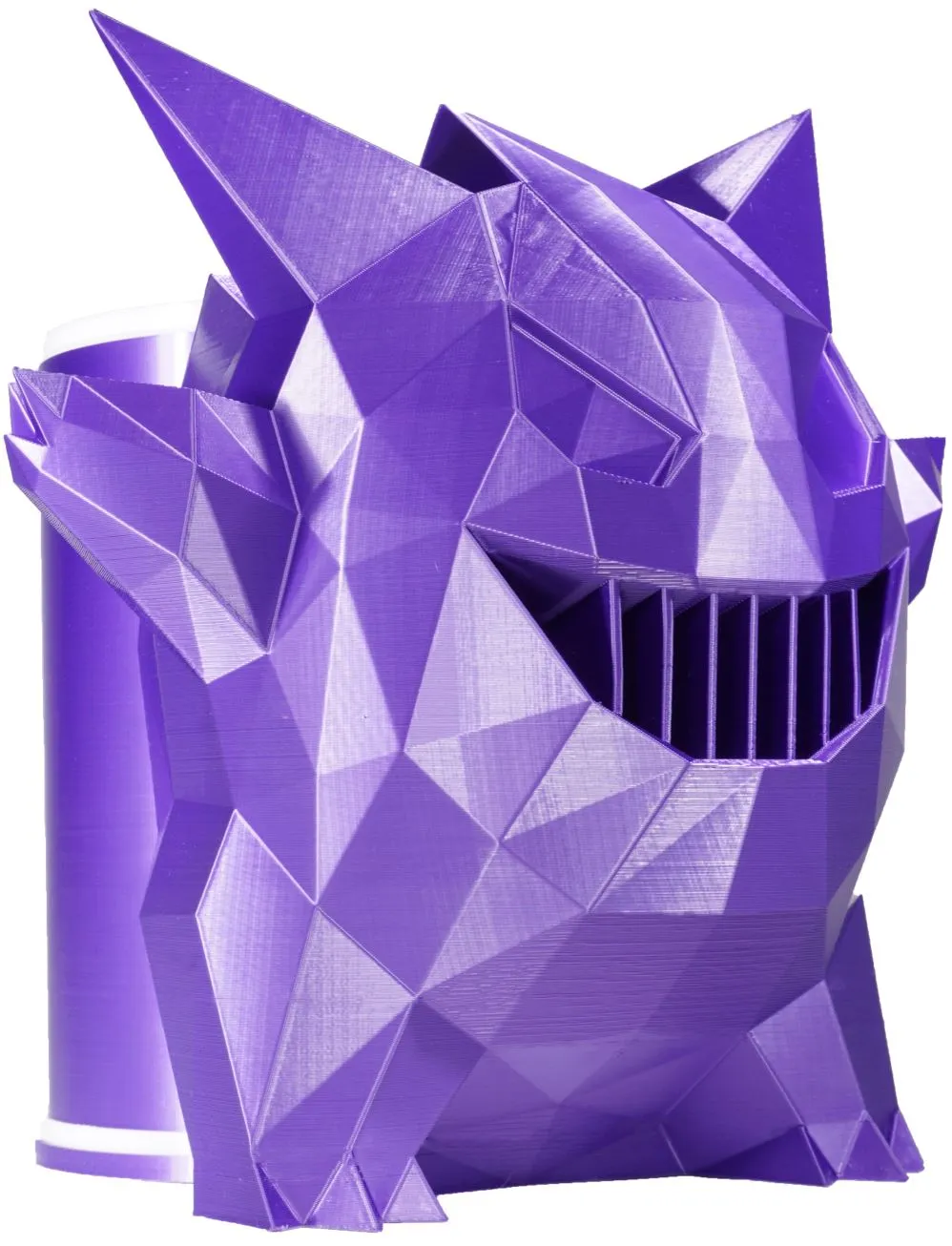
Gengar Air Cooler
A Gengar-style ice air cooler shell with the Yuki formula inside: printed parts, a USB fan and frozen ice-pack airflow in a darker, mischievous desk object.
View design