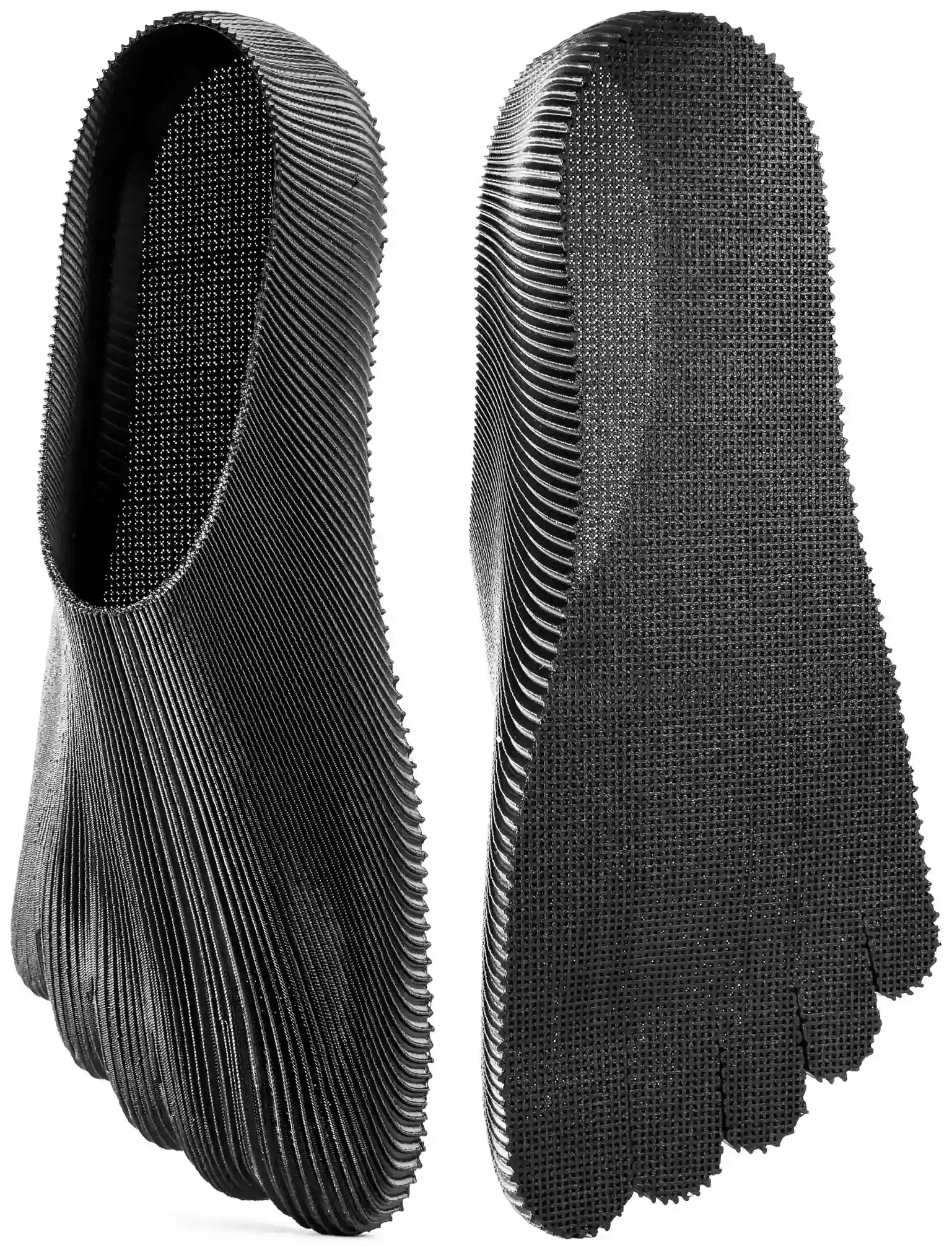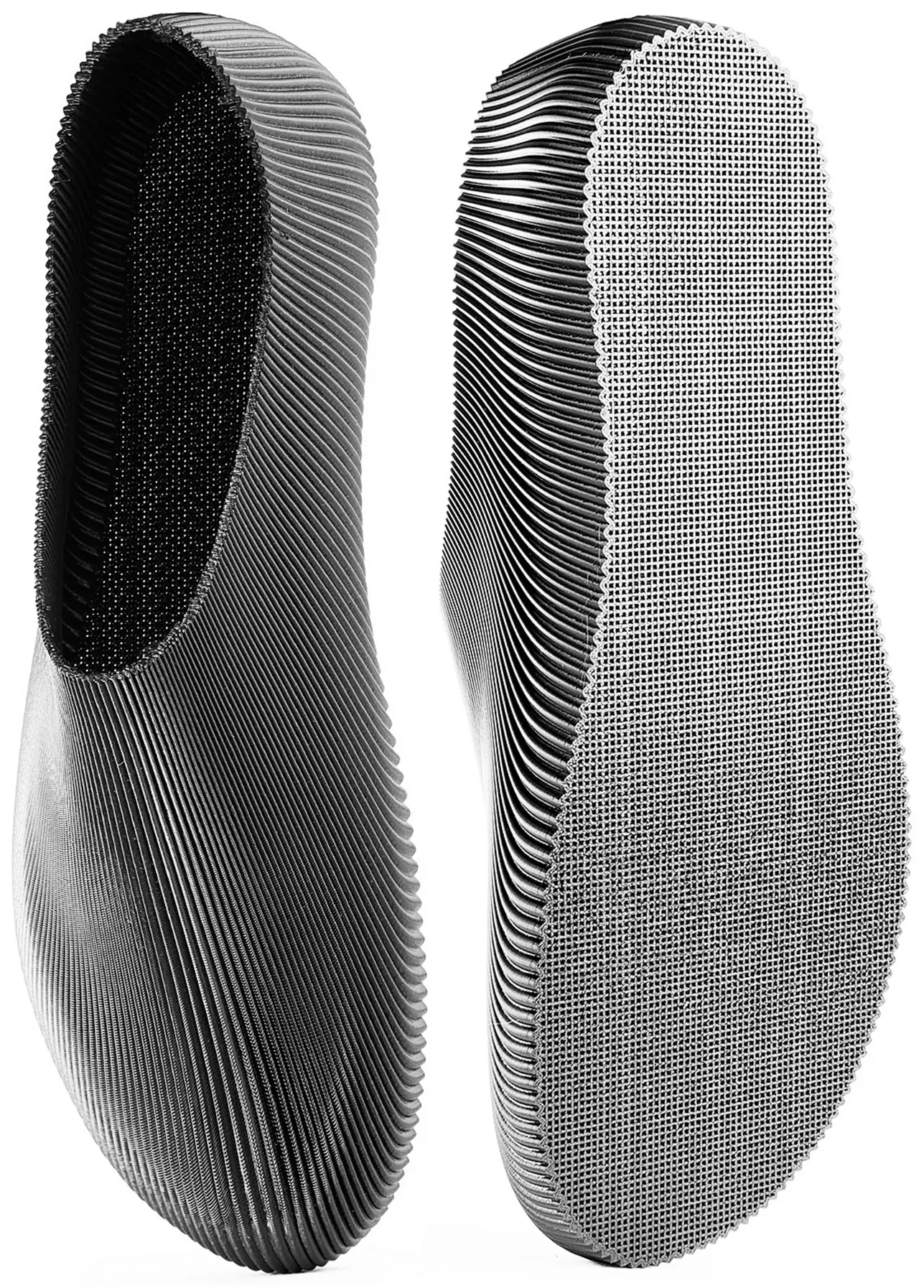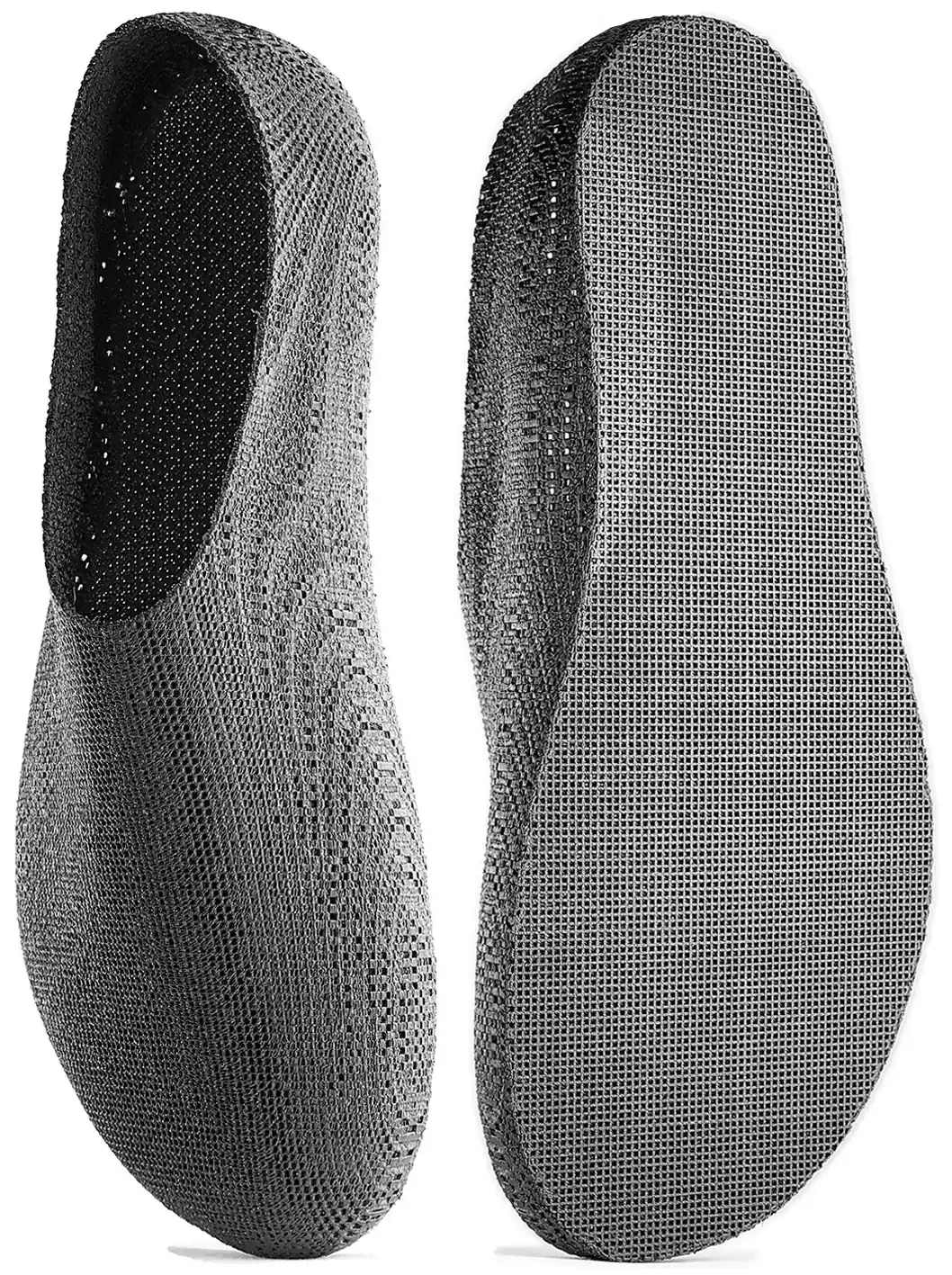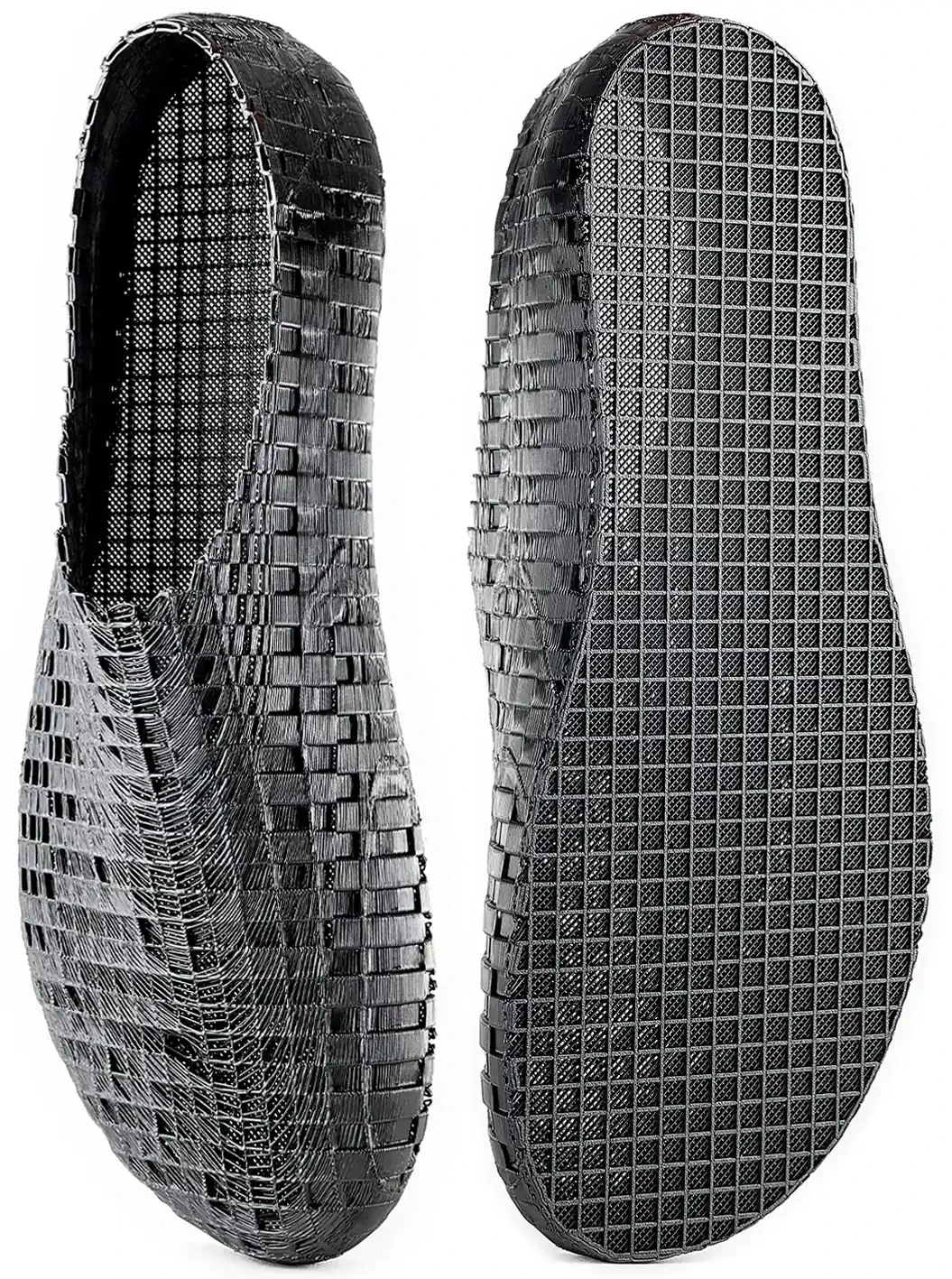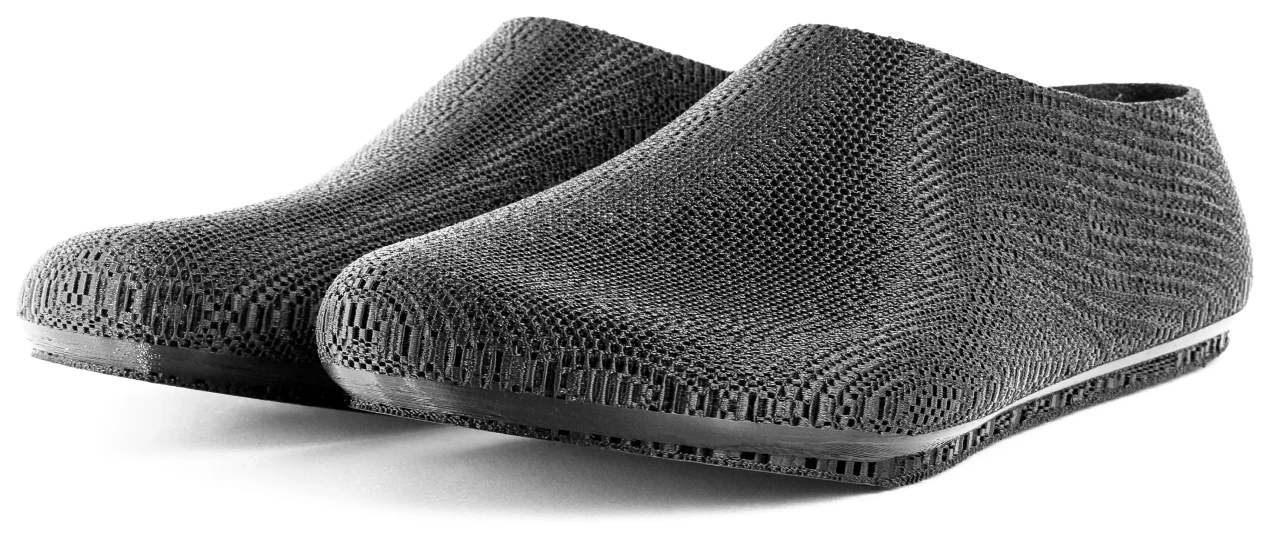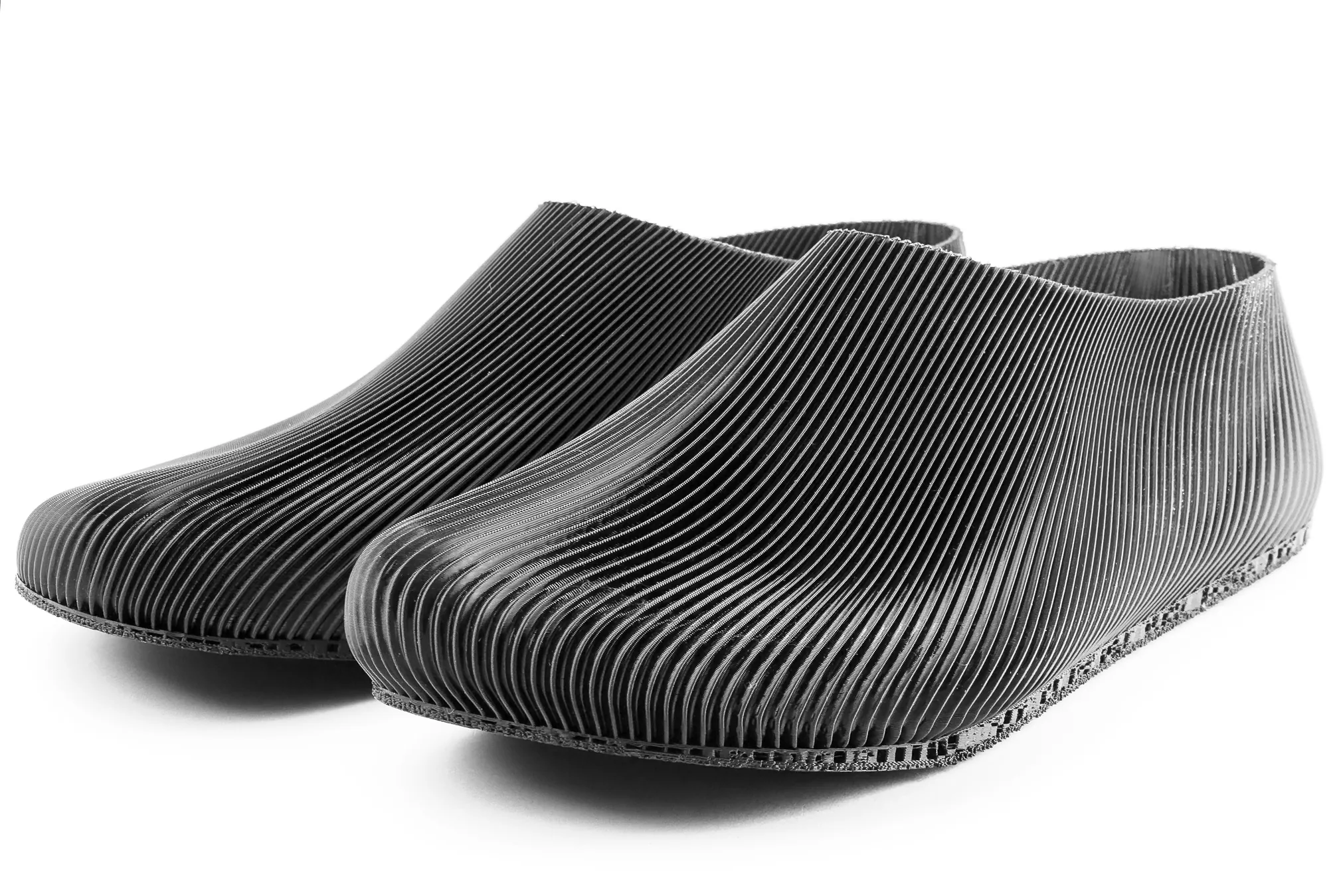
The Bambu A1 mini question comes up because shoes are bigger than they look in a slicer. A full adult shoe can exceed the bed, especially when the file is oriented for strength or surface quality.
There are three possible answers: print smaller footwear, split the model, or use a folded/segmented design made for the machine. The bad answer is blindly scaling the shoe down until it fits, because that changes thickness and comfort.
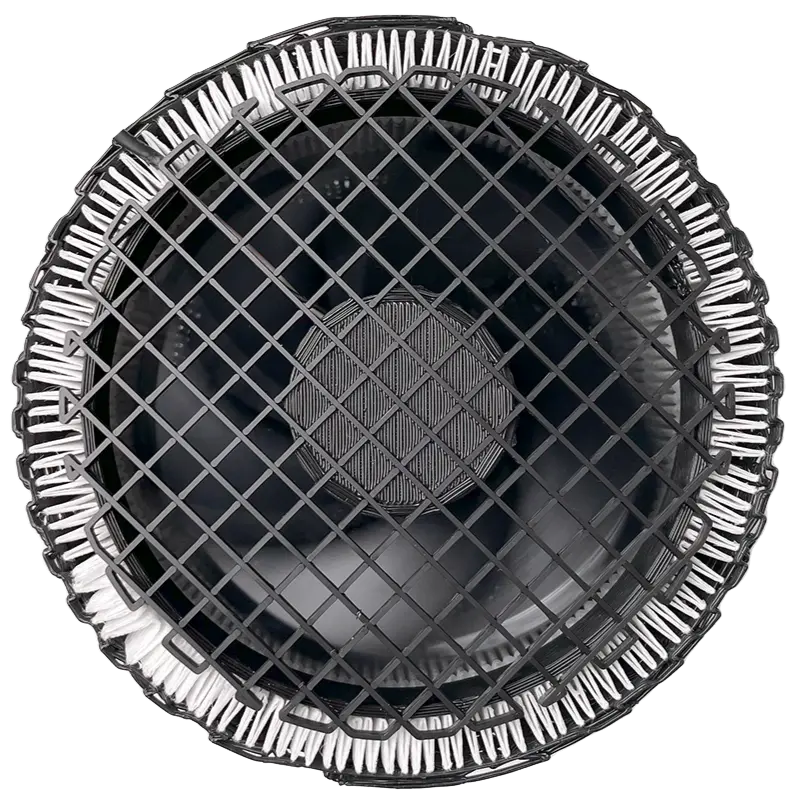
Folded and segmented designs are interesting because they treat the printer as part of the design brief. Instead of pretending every printer has infinite volume, the shoe is shaped or divided so the maker can actually finish the print.
This is also why ready sizes are useful. If the shoe is prepared in multiple sizes, the maker chooses the right file rather than improvising with scale. That keeps the wall thickness and flex closer to the intended result.
For A1 mini users, the right question is not “can this printer print shoes?” but “which River shoe was designed or adapted for this build volume?” That is where folded models and mules become worth exploring.
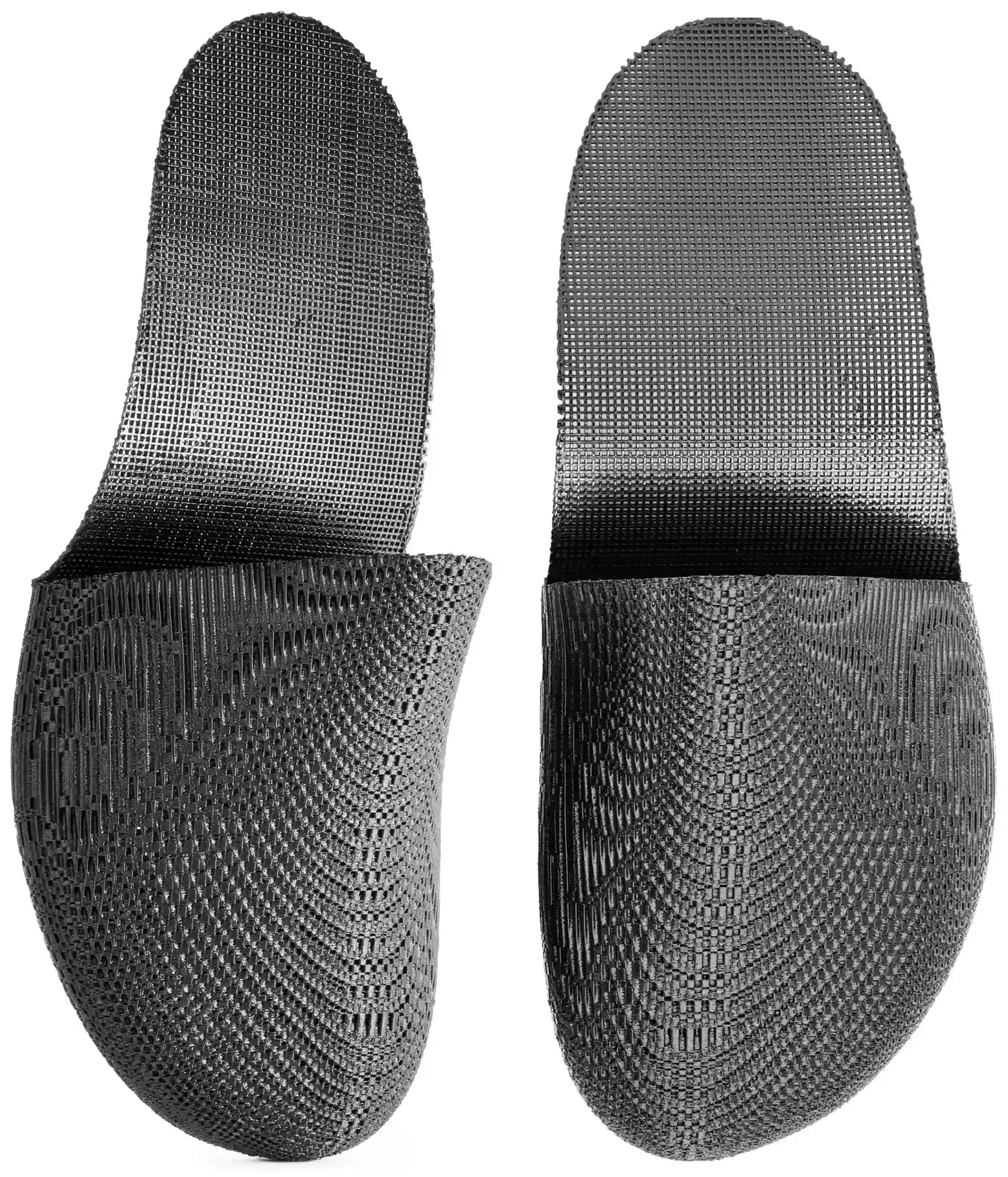
Loto
A softer-looking shoe file with a rounded, calm shape. Loto is less aggressive visually, made for a printed shoe that feels closer to a casual slip-on.
View design