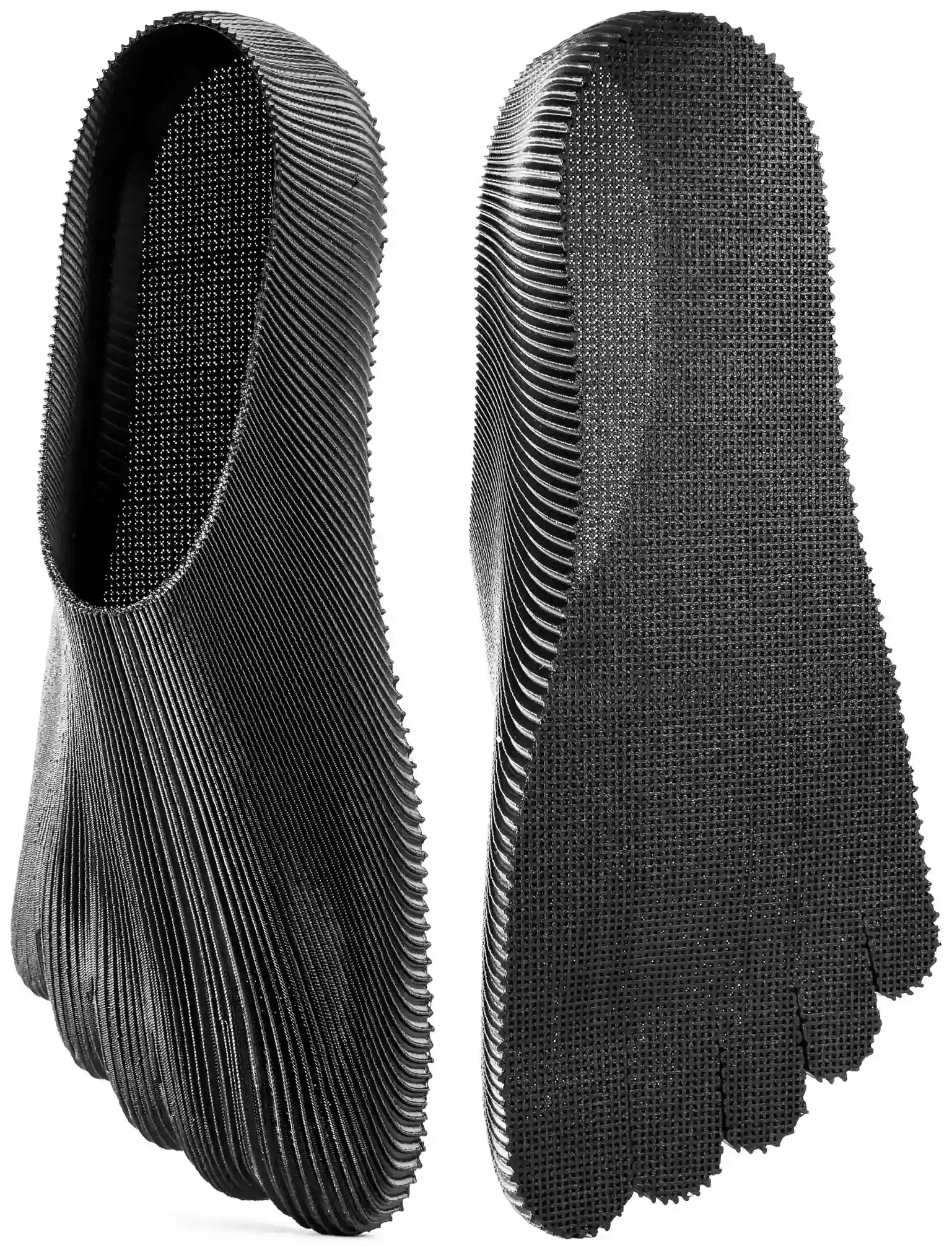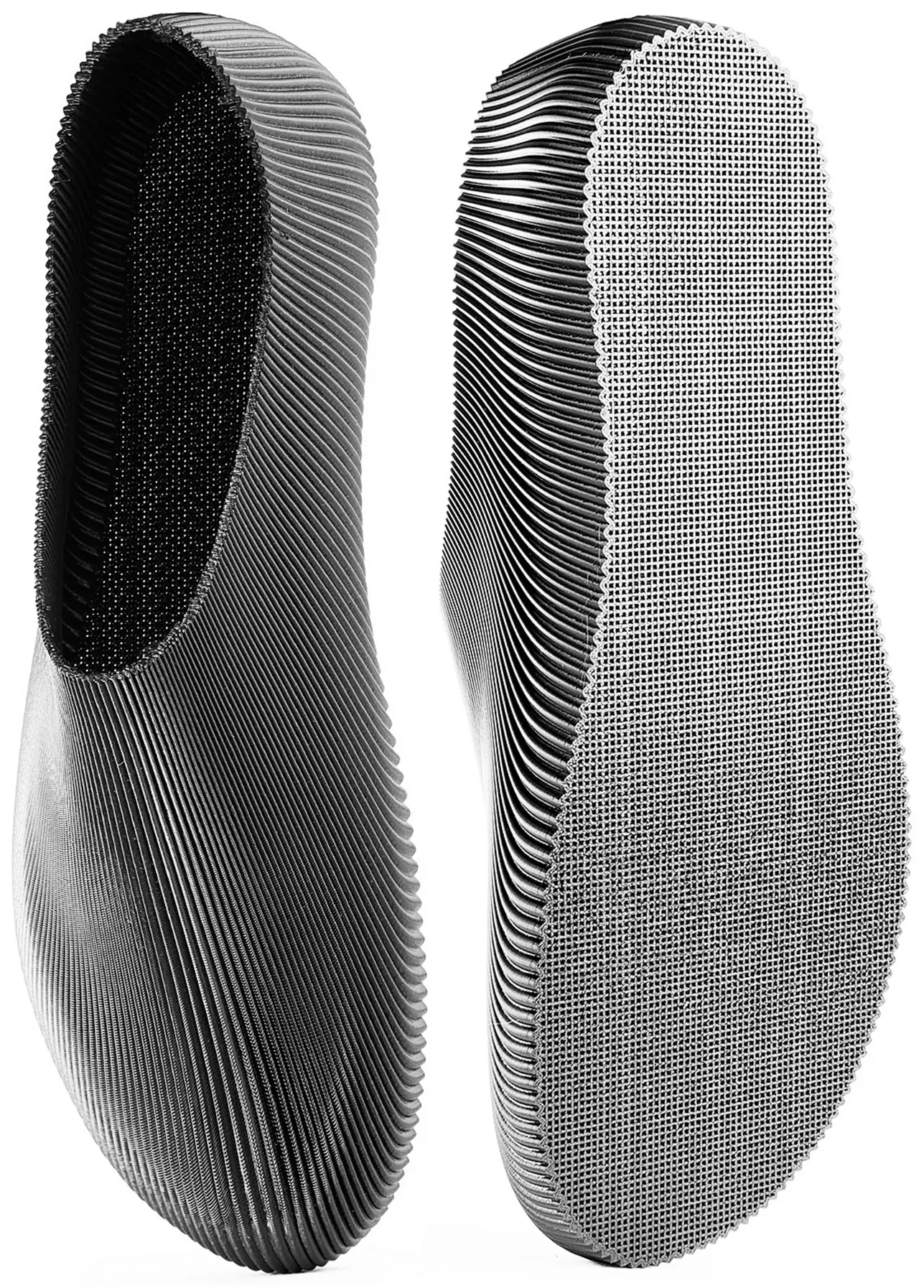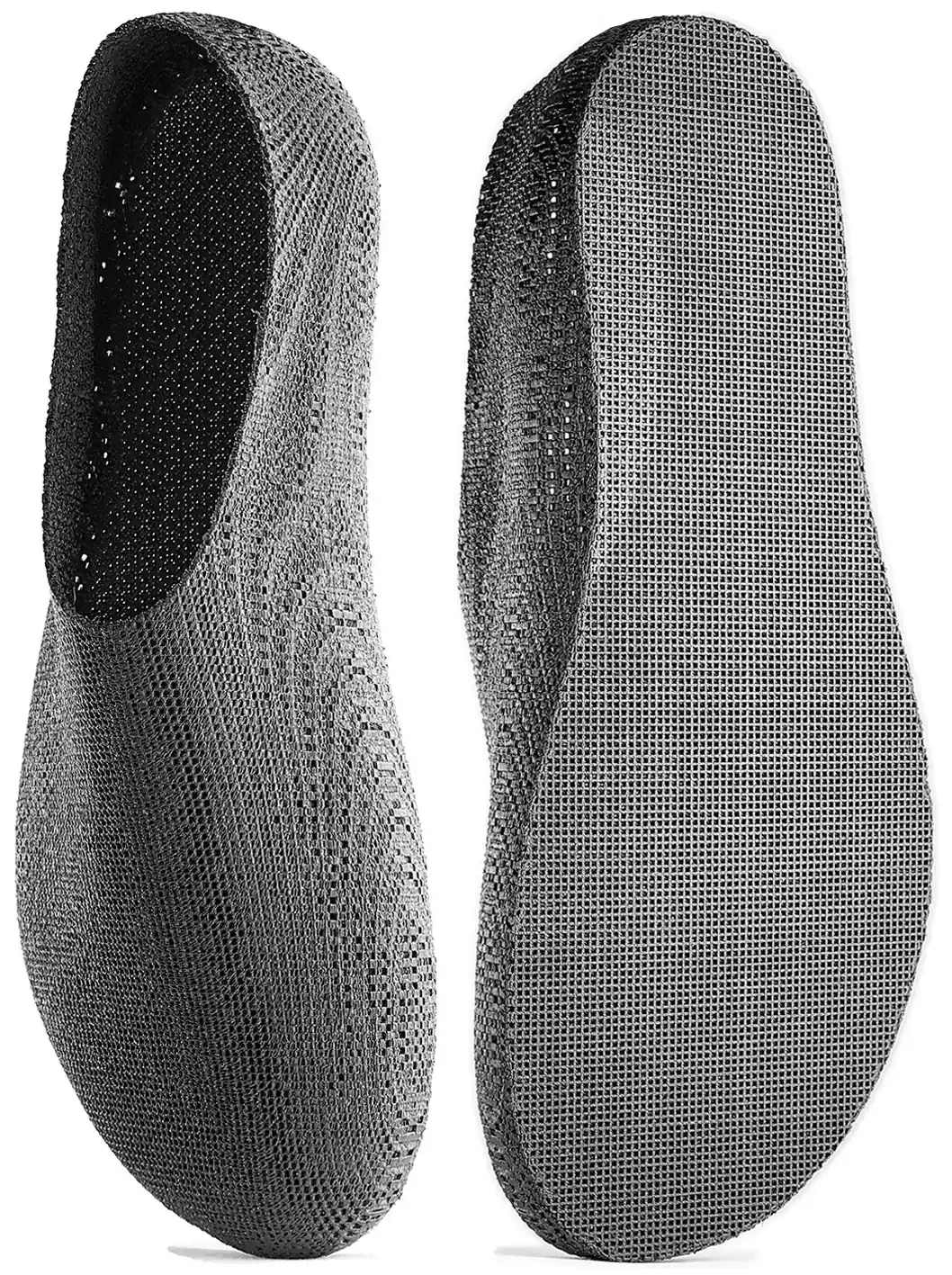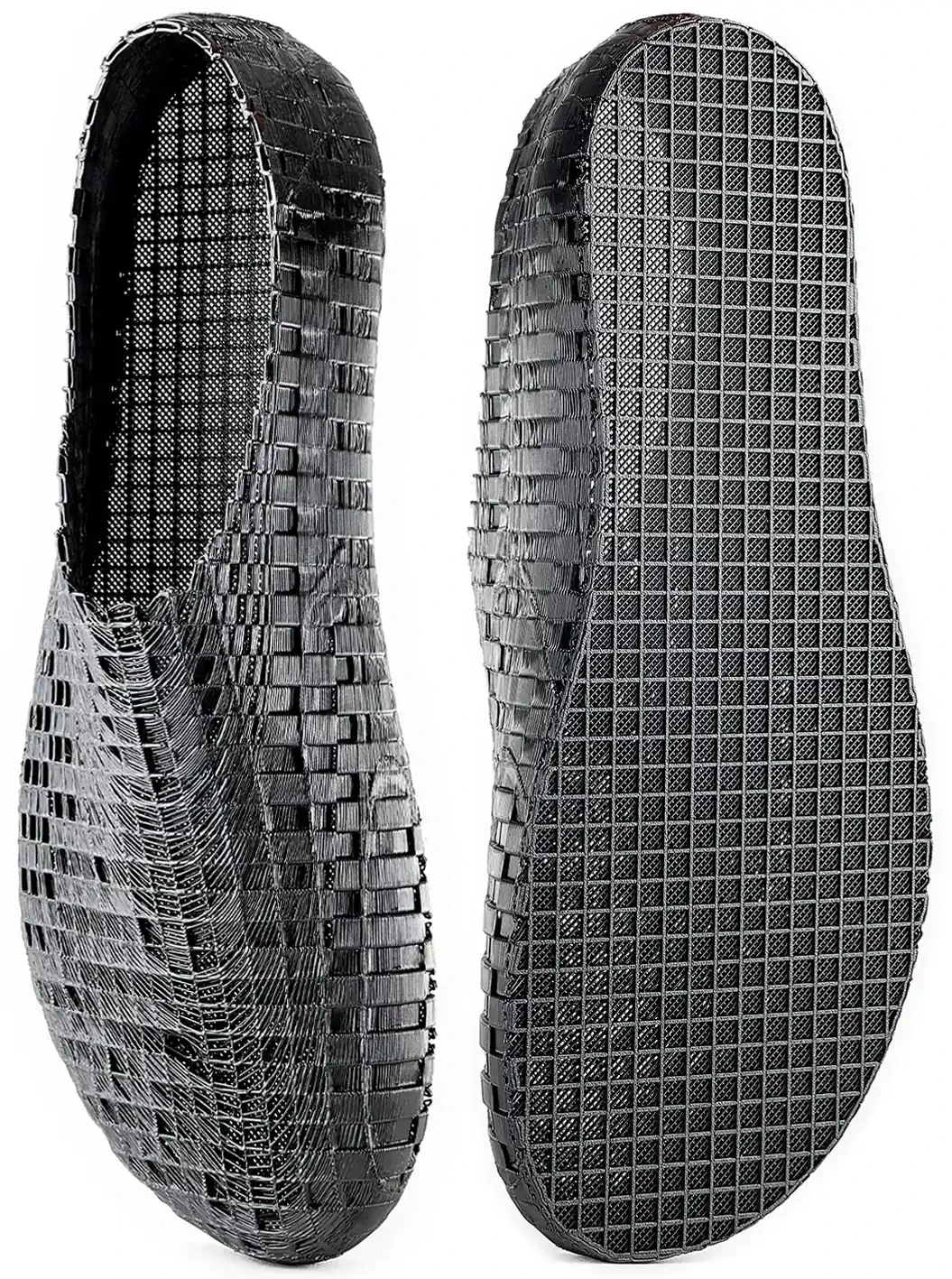
Yes, you can 3D print shoes in TPU, but the file is only one part of the result. TPU hardness, layer bonding, print orientation and the shape of the shoe decide whether the print becomes wearable or only looks good in a photo.
TPU is useful because it bends instead of cracking like a rigid plastic. That flexibility is exactly why it can work for footwear, but it also makes the print less forgiving. Wet filament, weak extrusion or poor adhesion can turn a promising shoe into a weak, rough object.
Harder TPU such as 95A is a common starting point because many printers handle it better. It can produce a clean shoe, but it may feel stiff on foot. Softer TPU can feel more natural, especially in barefoot-style designs, but it needs a better-tuned printer and more patience.
The design has to cooperate with the material. A wide toe box, controlled wall thickness, flexible pattern and enough sole contact matter more than the word TPU on the spool. A shoe that is too thin can tear; a shoe that is too thick can feel like a plastic shell.
The first pair should be treated as a real fit and material test. Start with short dry use, check pressure points, inspect the bend zones and decide whether the next version needs a different size, softer filament or a thin sole.
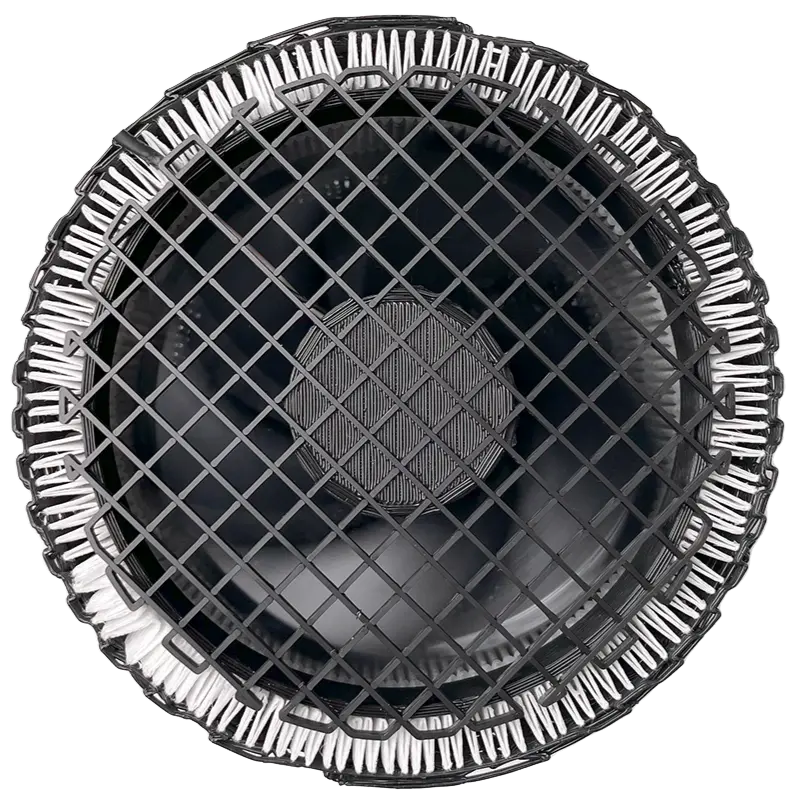
The clearest example of geometry-cooperating-with-material is Onda: the pattern was generated directly as a Grasshopper toolpath, not as a generic infill. The smoother internal surface and continuous wave structure are part of why a printed TPU shoe can move closer to actual footwear.
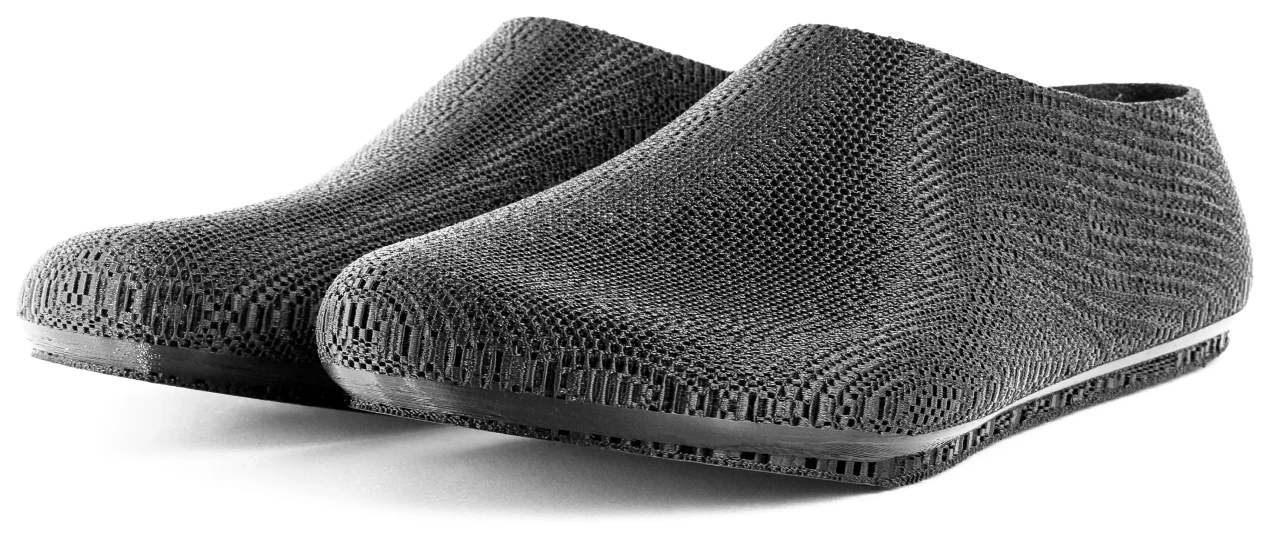
Taka
The thin-soled version of Tora: the same small-grid barefoot idea with a fine sole added for more ground protection while keeping the upper light and breathable.
View design