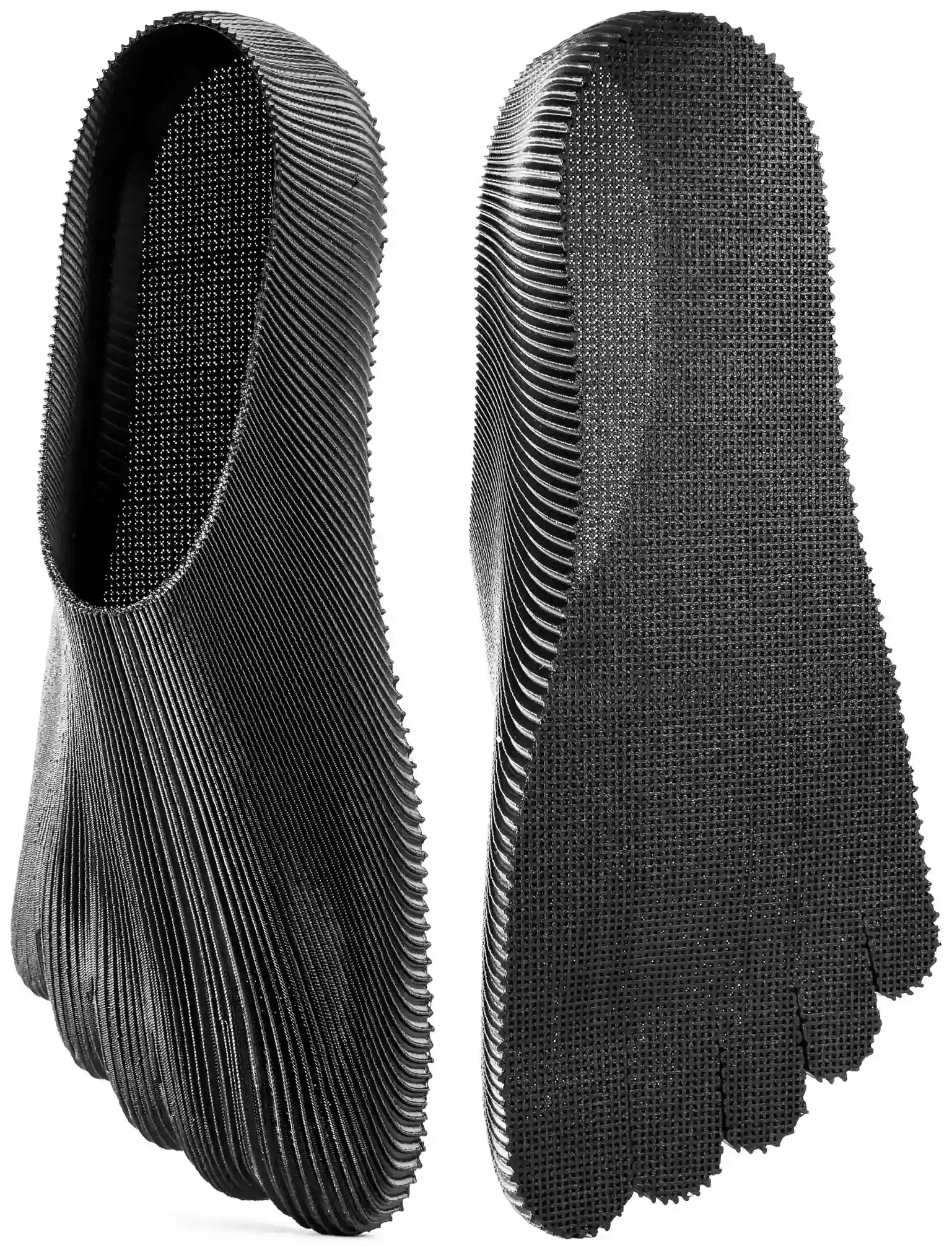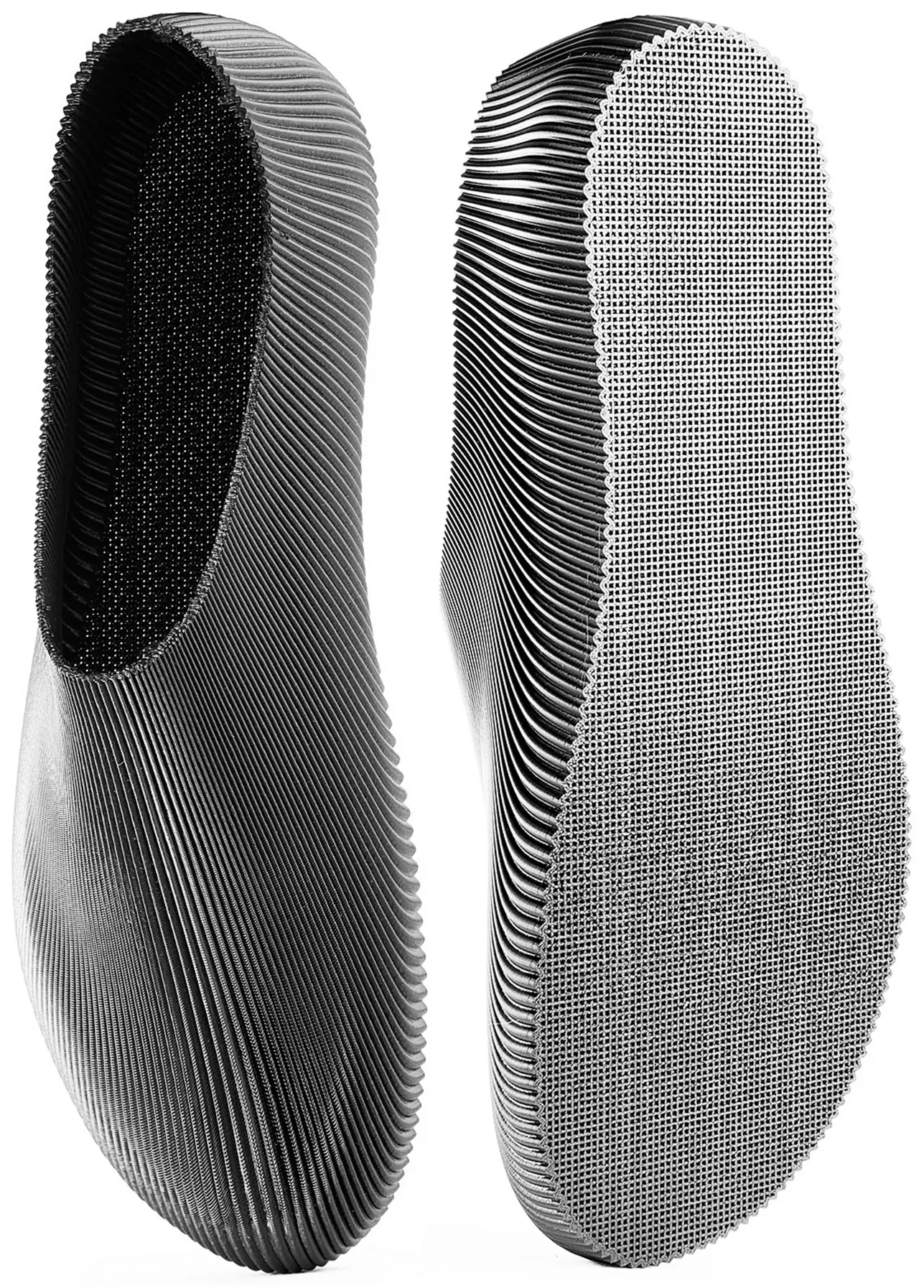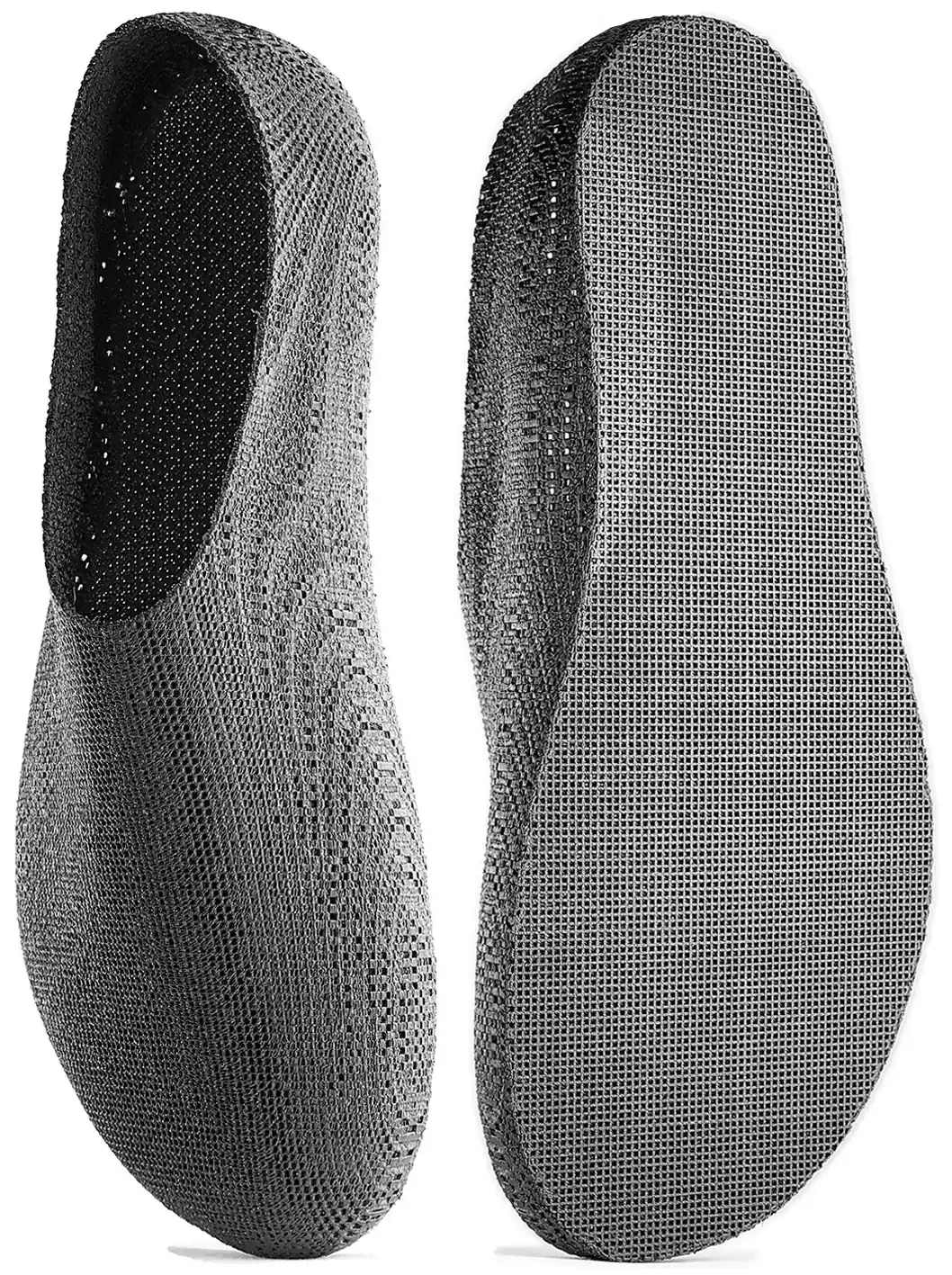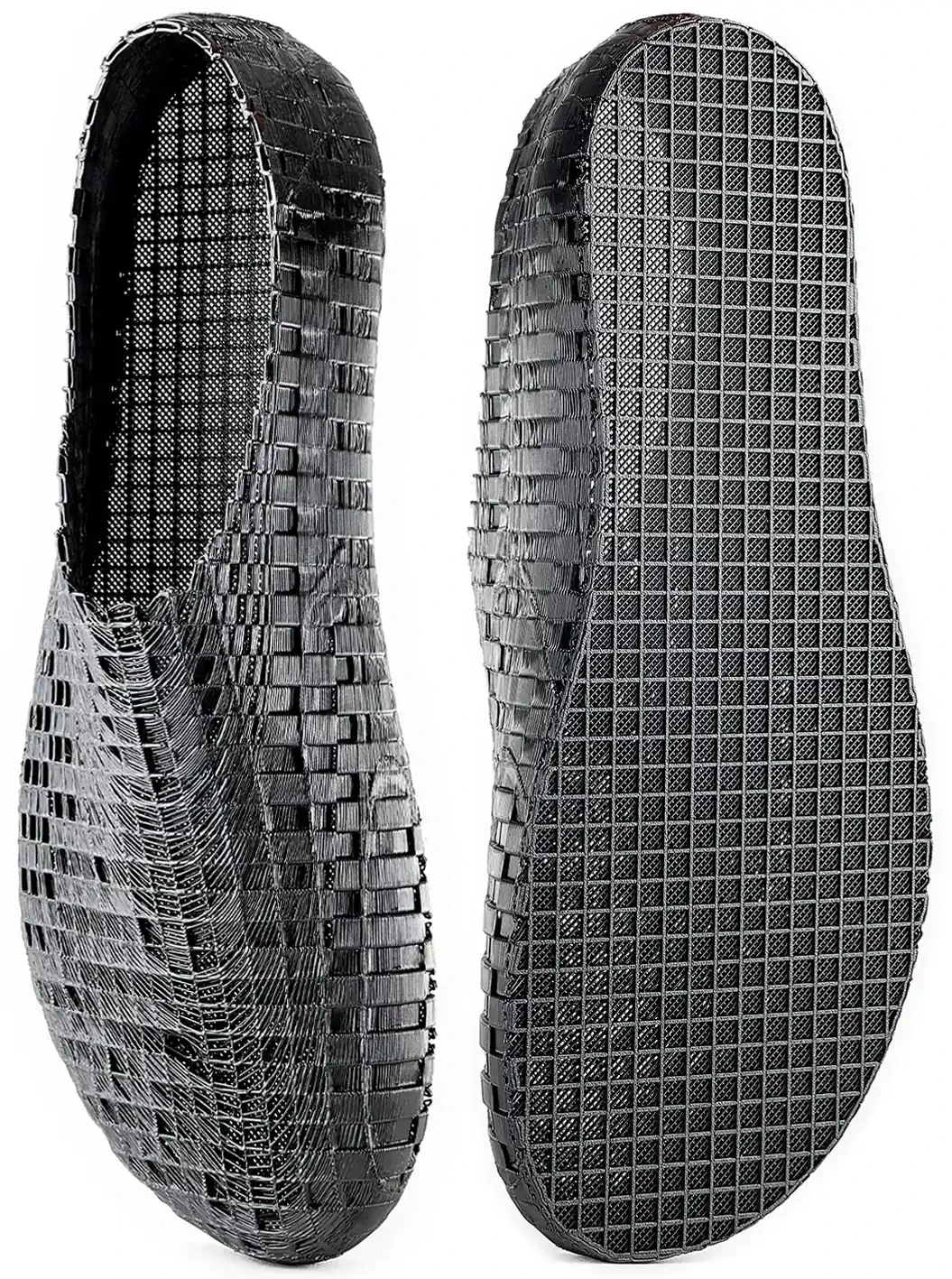
Grip is one of the most honest objections to 3D printed shoes. TPU is flexible, but flexibility is not the same as traction. A printed texture can feel acceptable on dry indoor floors and still become questionable on wet tile or smooth outdoor surfaces.
The sole pattern matters because it changes contact, flex and drainage. A flat smooth bottom is different from a grid, a textured sole or a pattern designed to deform under load. But no printed pattern should be oversold as magic rubber.
Wet surfaces are the hardest test. When people ask whether printed shoes can replace normal footwear everywhere, grip is one of the first reasons to slow down the claim. Dry studio, house and sidewalk use are not the same as rain, polished stone or bathroom tile.
One practical path is adding a thin rubber or waterproof sole where the use case needs it. That keeps the printed upper, shape and flex, while letting a dedicated material handle the ground. It is not a failure; it is how many hybrid designs become better.
So the realistic answer is: River shoes can be wearable and fun, but choose the surface honestly. If wet grip matters, think about sole material, not only filament color.
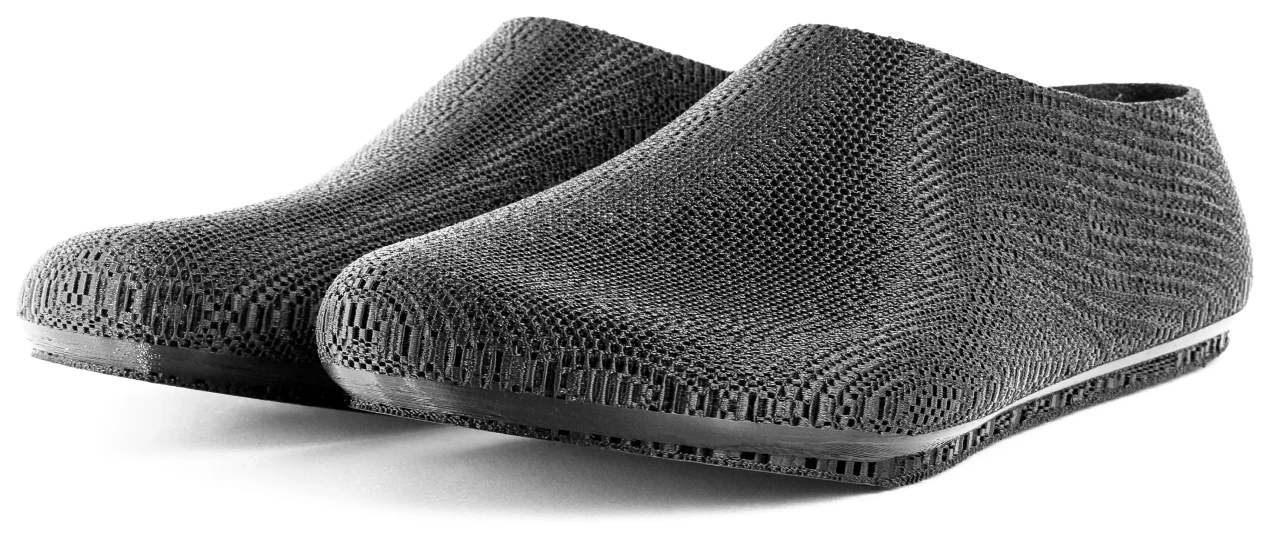
Taka
The thin-soled version of Tora: the same small-grid barefoot idea with a fine sole added for more ground protection while keeping the upper light and breathable.
View design