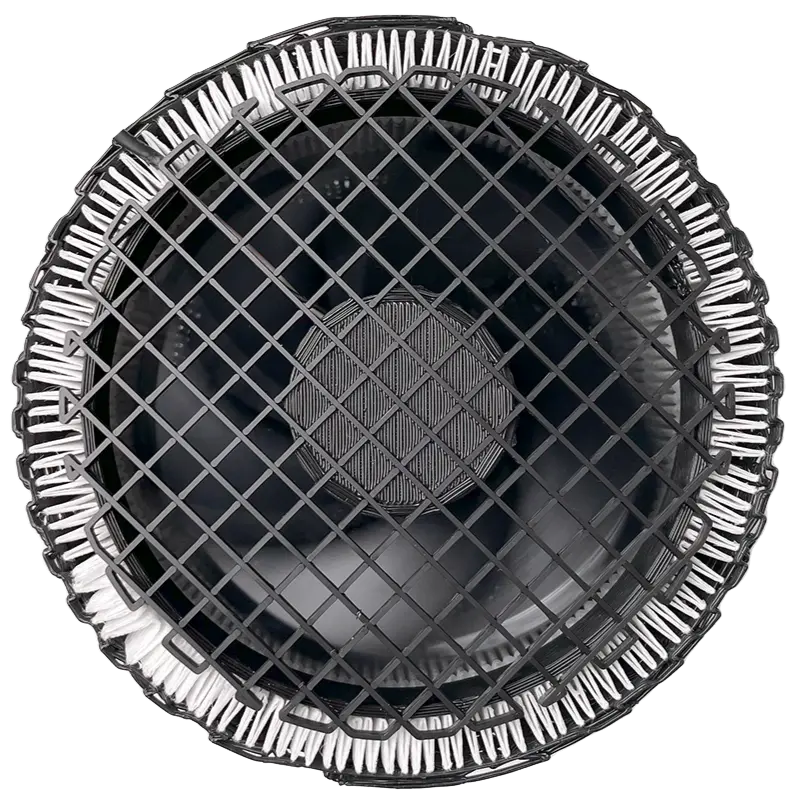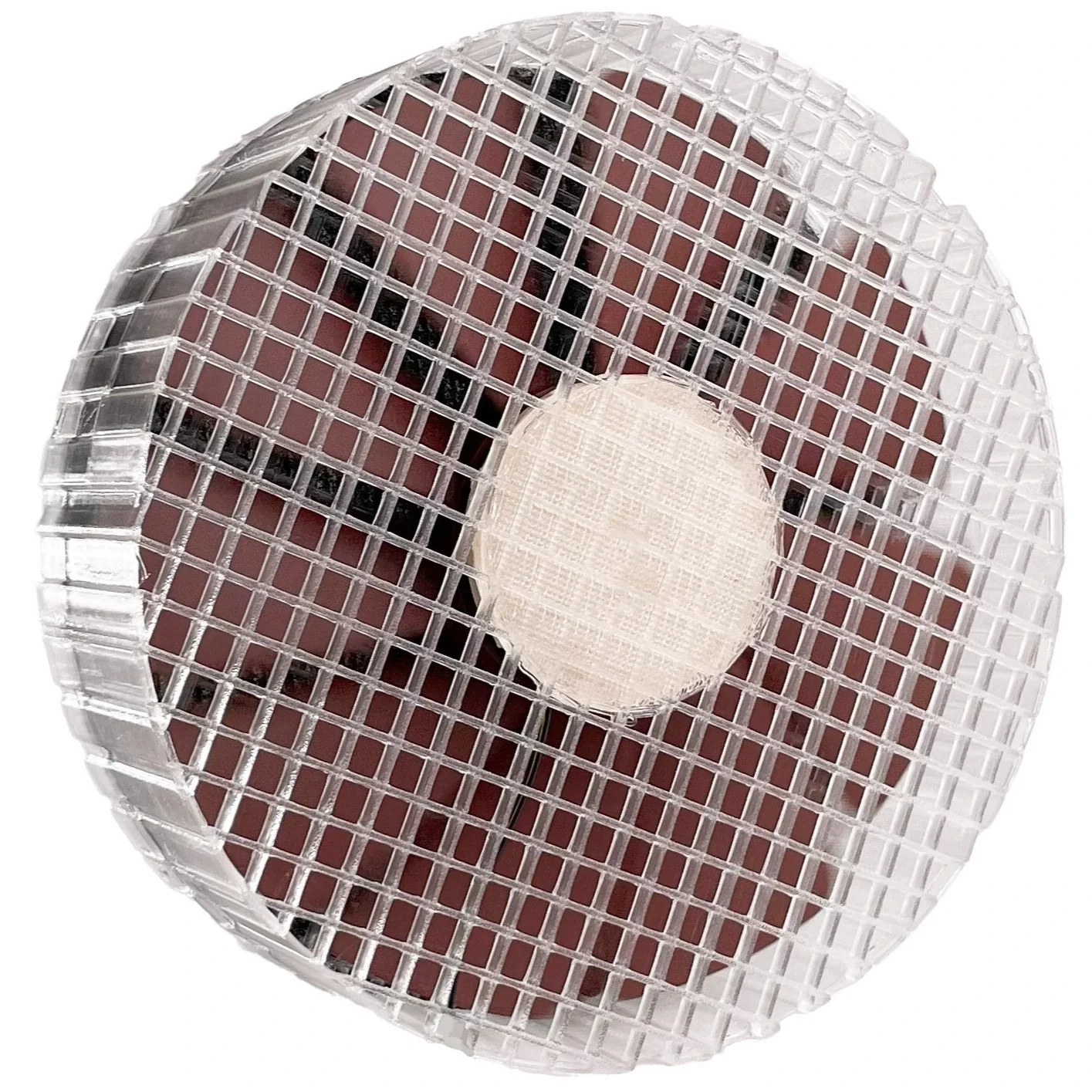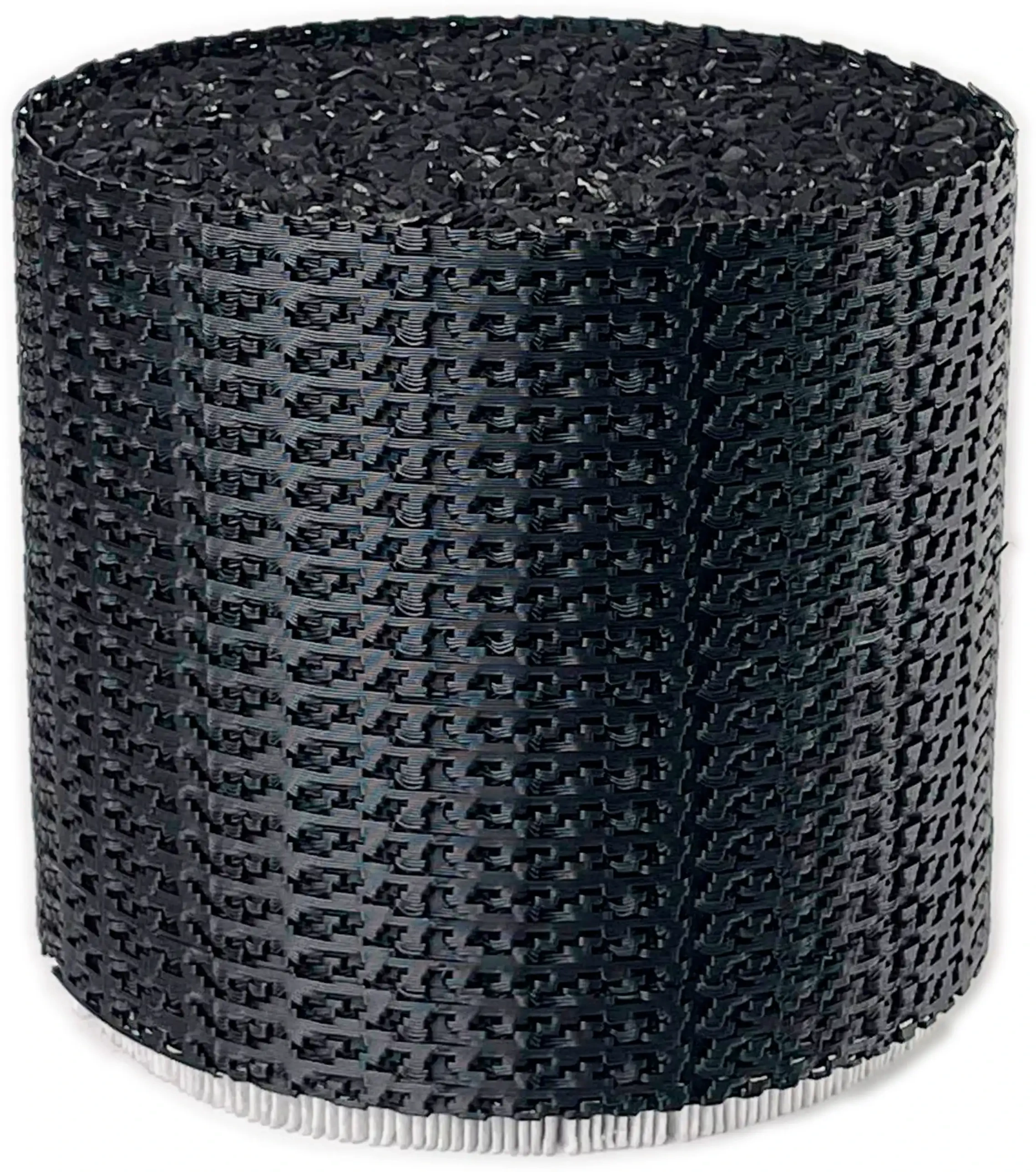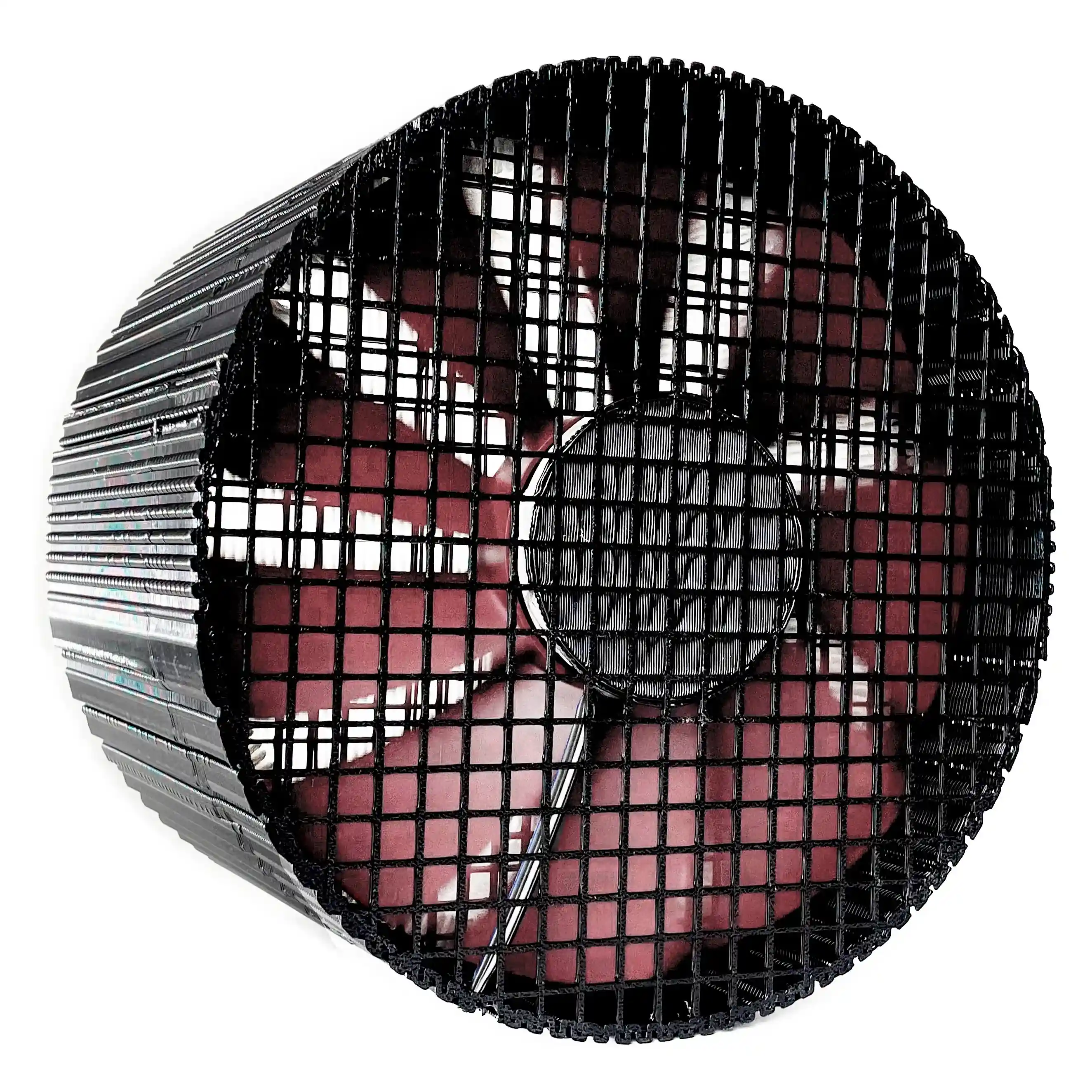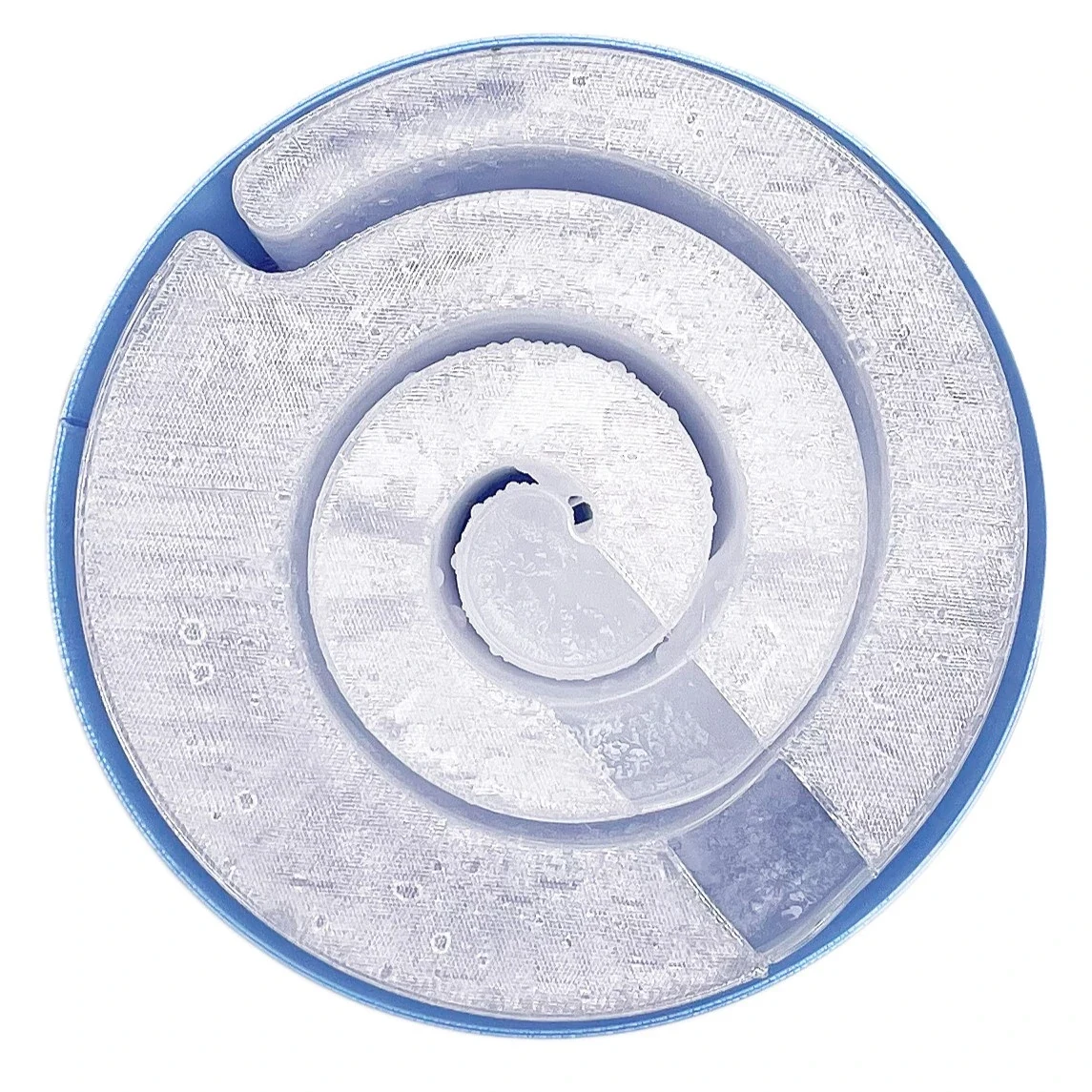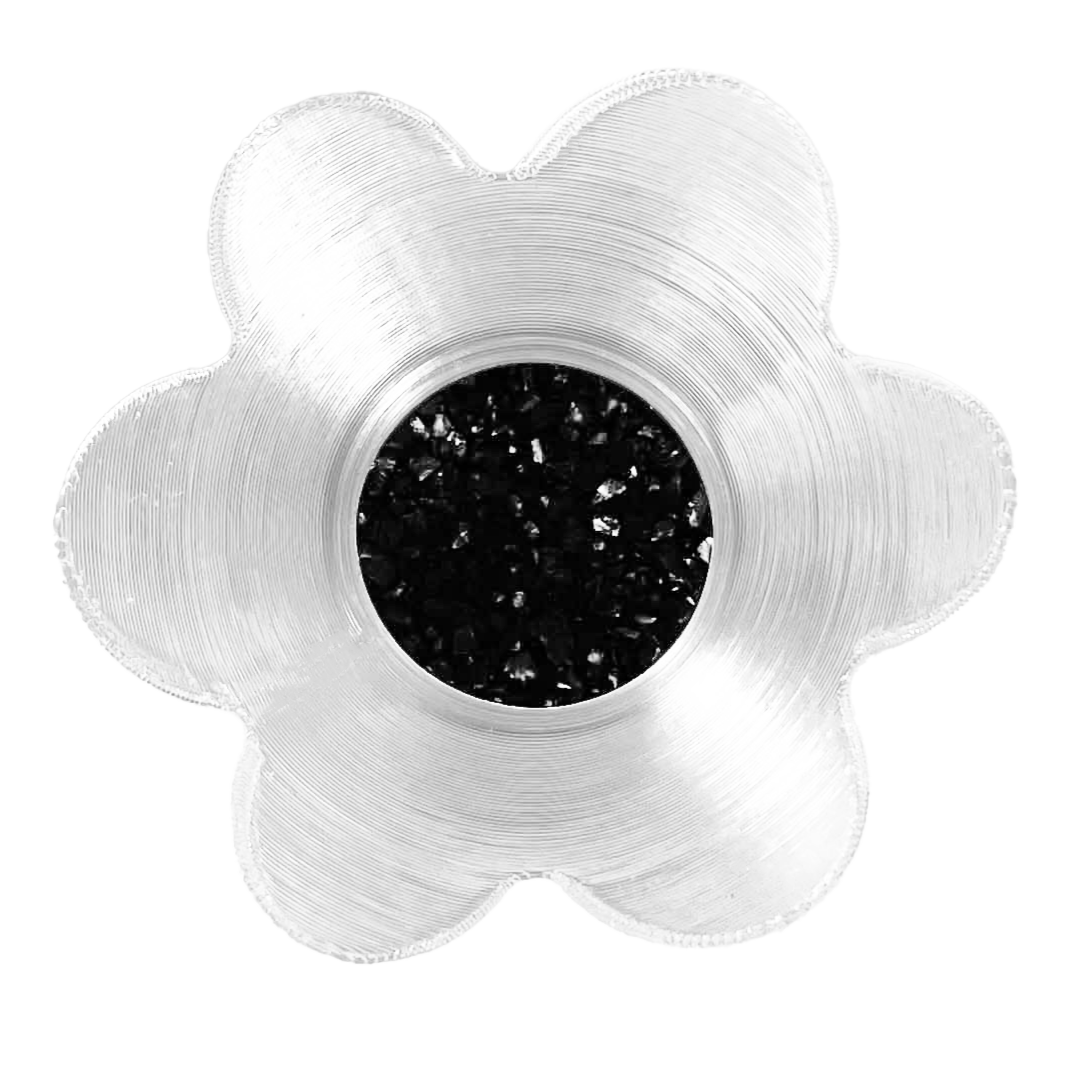
A PC fan is a practical starting point for a 3D printed air purifier because it is available, quiet enough for desk use and easy to replace. The important part is making the printed body serve the fan and filter, not hide weak airflow behind a clean shell.
The fan size affects noise, pressure and how much filter resistance the build can tolerate. A small fan can be neat and compact, but the filter path still has to be realistic. If the fan cannot pull through the filter, the object becomes mostly decorative.
Filter fit matters as much as the fan. Air will always take the easiest route, so the design needs to make the easy route pass through the filter instead of around it. Gaps, loose sheets and unsealed edges reduce the point of the build.
Maintenance decides whether the purifier stays useful. A PC fan can fail, dust can collect and filters need replacing. The printed body should let the maker reach those parts without breaking the object open.
Smoke tests can show that air is moving through the body, but they are not a full filtration test. They are useful as a quick visual check, especially when paired with clear information about the filter material and airflow path.
Roy is the clearest example of all of this: a 120mm USB fan with dual-intake (HEPA on the side surface, HEPA or activated carbon on the bottom), printed enclosure, accessible working parts, and a form clean enough to leave in sight.
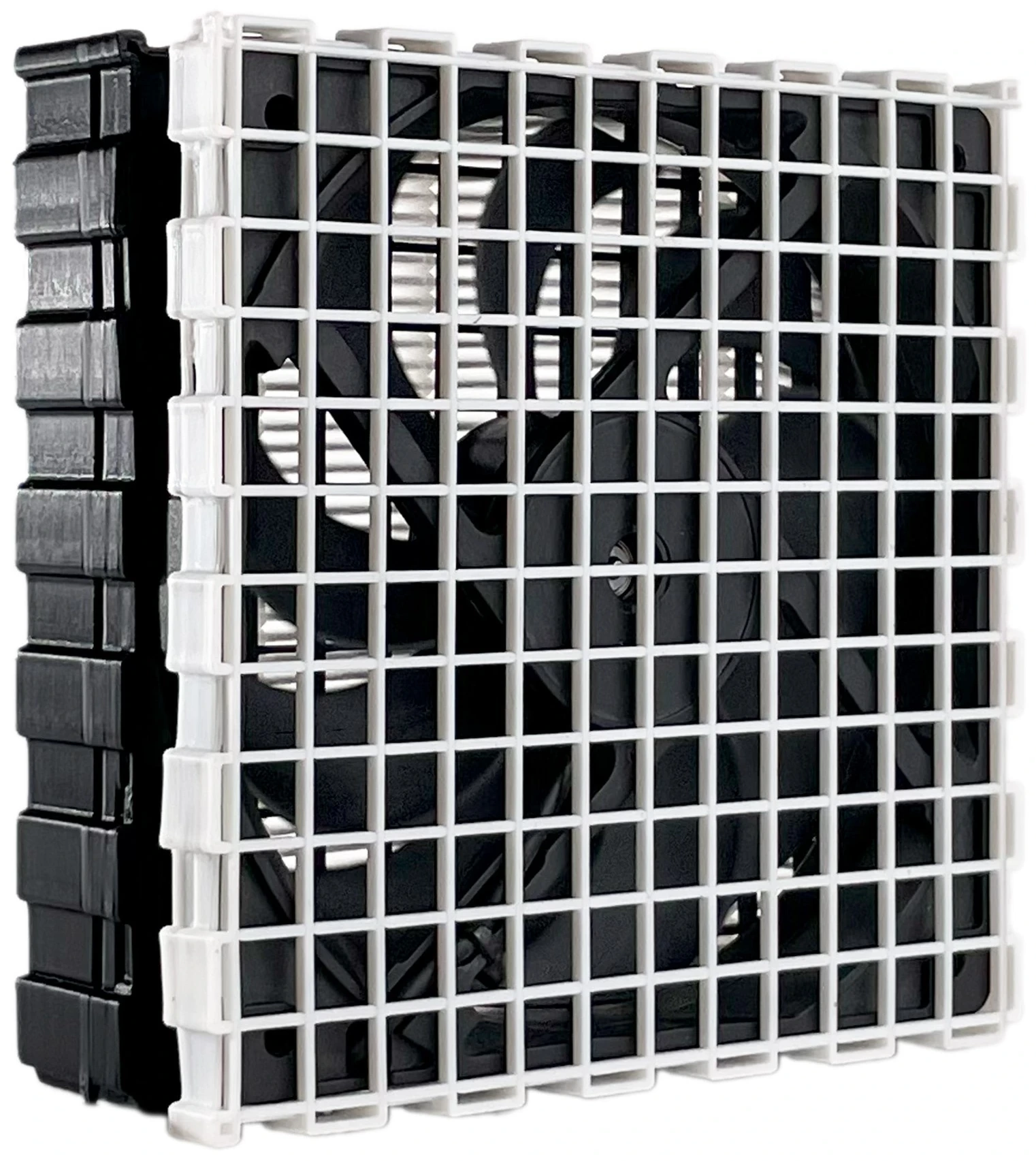
Max
The fastest River purifier to build. Snap the printed shell onto a standard PC fan, drop in the HEPA, plug into USB — your room is already cleaner.
View design